Forget dusty antiques and the polite Regency style that classic adaptations of English novels have accustomed us to. The latest screen adaptation of 'Wuthering Heights,' directed by Emerald Fennell, which hit cinemas on February 13, 2026, is a visual, enchanting dream that divides critics but delights design enthusiasts.
'Moorcore' and the Anatomy of Desire - How the Interiors of the New Wuthering Heights Redefine Cinematic Romance and Shape Trends
Emerald Fennell – the director known for "Saltburn" and "Promising Young Woman" – along with production designer Suzie Davies, have crafted a world in their new adaptation of "Wuthering Heights" where architecture isn't just a backdrop, but an active participant in Cathy and Heathcliff's toxic romance. This aesthetic has already been dubbed 'moorcore' by the media – a blend of the raw austerity of the moors with a suffocating, gothic luxury. How does this style relate to current trends and the interiors of our own bedrooms?
Here's a guide to interiors that pulsate, sweat, and bleed, redefining trends for 2026.
Wuthering Heights and the Architecture of Emotion - Emotional Truth Over Historical Accuracy
The key to understanding the visual language of Wuthering Heights is the rejection of historical realism in favor of 'emotional authenticity.' Suzie Davies, the Oscar-nominated production designer, emphasizes that the goal was to create spaces that evoke a physical reaction in the viewer – they are meant to be felt before they are understood.
The interiors here are a metaphor for the characters' psychological states: from claustrophobic entrapment to destructive passion. Inspirations were drawn from eclectic sources such as German Expressionism, Brutalism, Brueghel's paintings, and Stanley Kubrick's films.
Two Houses, Two Worlds of Wuthering Heights: Wuthering Heights vs. Thrushcross Grange
The foundation of the story lies in the drastic contrast between the two main estates, which symbolize Cathy's torn soul.
Wuthering Heights: A Fortress Carved from Darkness
The Earnshaws' home is a place where nature brutally intrudes. The estate looks as if it has been cleaved in half by enormous slate rocks, and moisture seeps from its walls, suggesting that the building is a malevolent, living organism. The interiors are dark, dominated by black, anthracite, and raw wood.
A key set design technique here is scale. The kitchen ceilings were deliberately lowered to be just a few centimeters above the head of Jacob Elordi, who plays Heathcliff. This technique makes the character appear physically trapped within an architecture that rejects him. A checkerboard floor and a painting depicting the seven deadly sins in the living room complete the picture of moral unease.




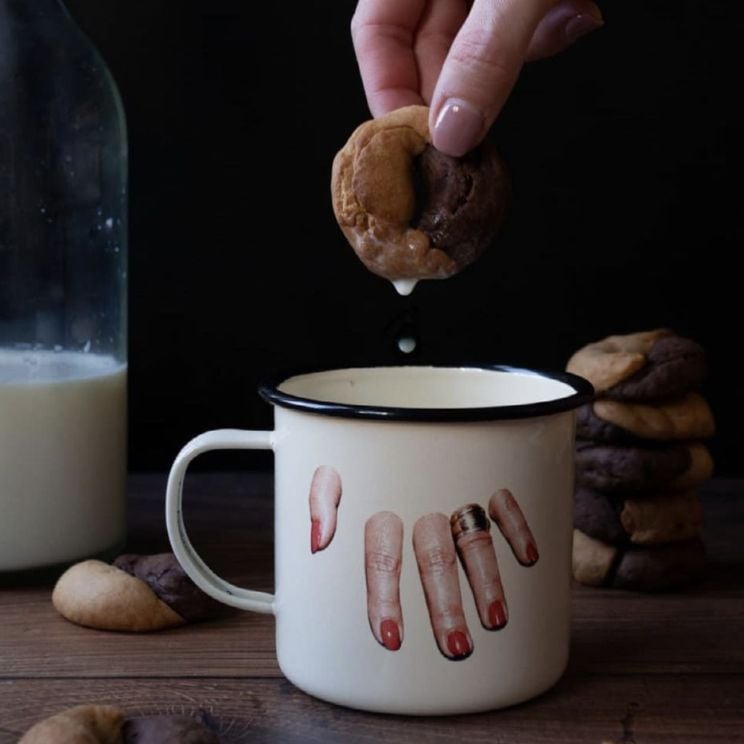
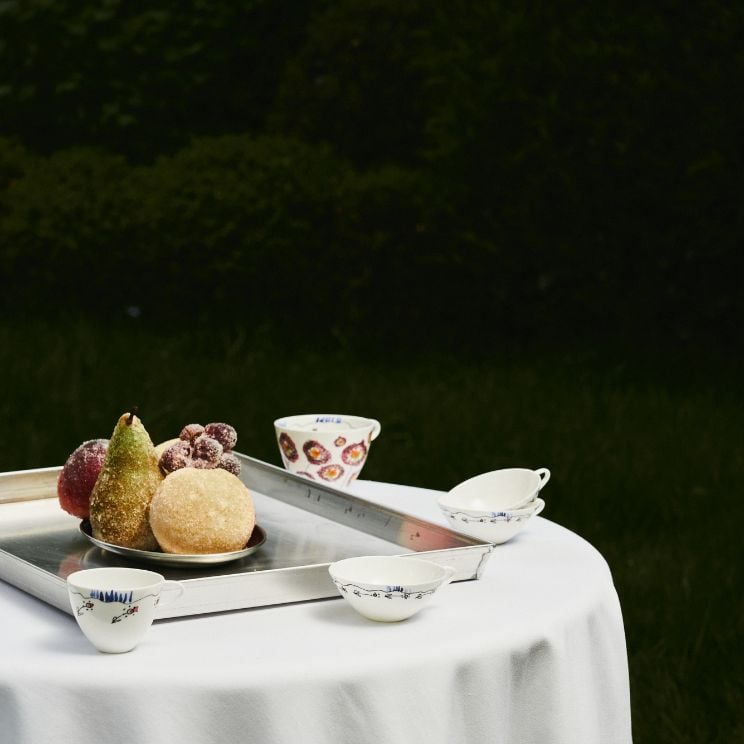


£80.43
Les Objets Mouleversants N°1 Taper Candle Holders 10 cm, 4 pcs.
Serax
Dispatch within 10 working days


Thrushcross Grange: A Luxurious Cage
On the other side of the spectrum lies the Lintons' home – Thrushcross Grange. This is a sophisticated yet artificial space, resembling a jewel box where emotions have been varnished to a high sheen. These interiors offer no refuge, but rather a beautiful cage.
The Extraordinary Interiors of Wuthering Heights - Dining Room, Library, and Bedroom
The Silver Dining Room of Wuthering Heights, Design, and 'Sweating' Walls
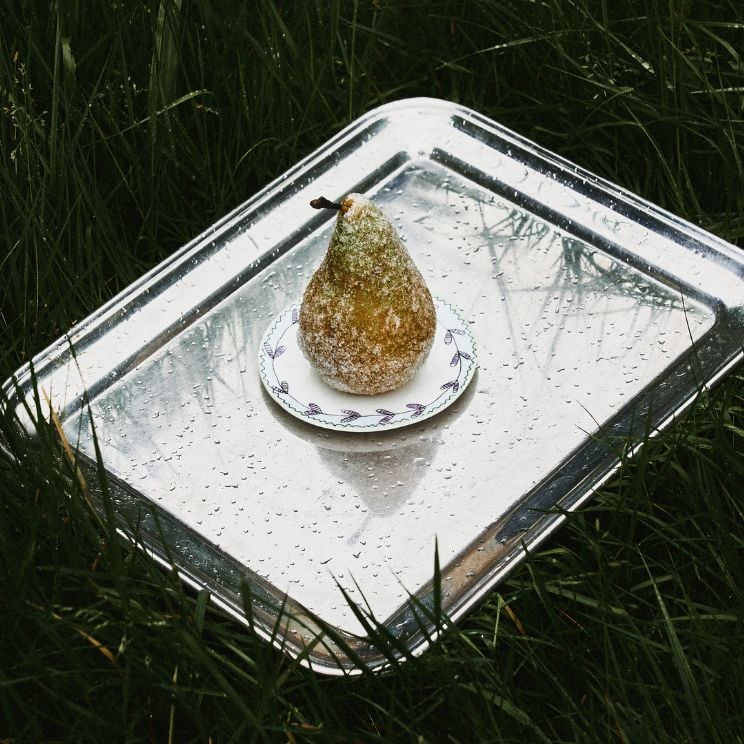
One of the most spectacular rooms is the dining room. Its walls are covered in metallic silver – a nod to antique mirrors – and adorned with almost invisible, cascading droplets, creating the effect that the house is 'sweating' under the sexual tension between the characters.
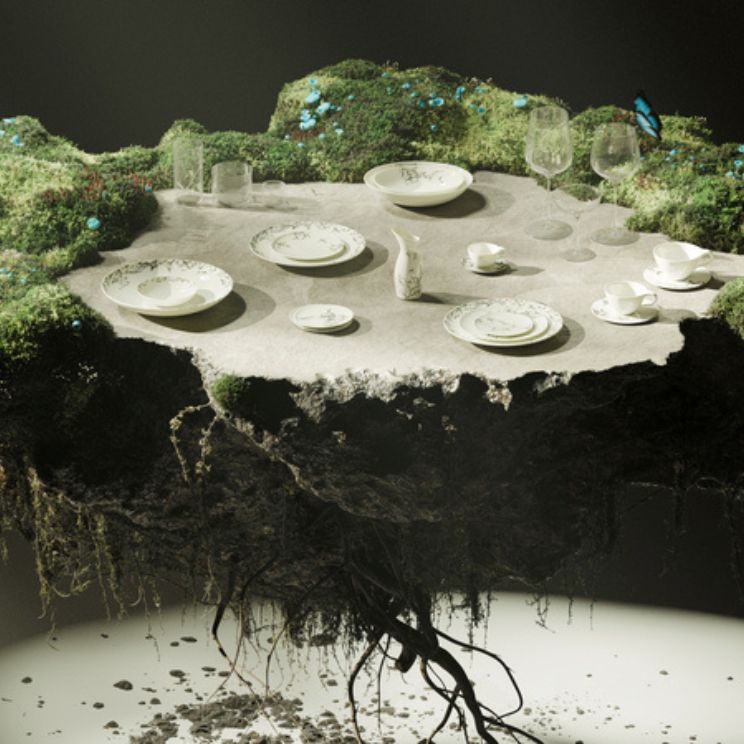
In the dining room and on the table, surrealism reigns instead of traditional decorations: a miniature dollhouse (a replica of the estate), dishes suspended in jelly, and moss compositions.
The 'damp luxury' effect is no accident. Suzie Davies designed the dining room to appear wet, serving as a direct reference to the physicality of Cathy and Heathcliff's relationship.
Emerald Fennell and her team wanted the interiors to be treated as living entities reacting to the drama unfolding within them. The dampness, stickiness, and 'sweating' of the walls are intended to evoke primal feelings in viewers – a physical, sensory reaction and a sense of unease.


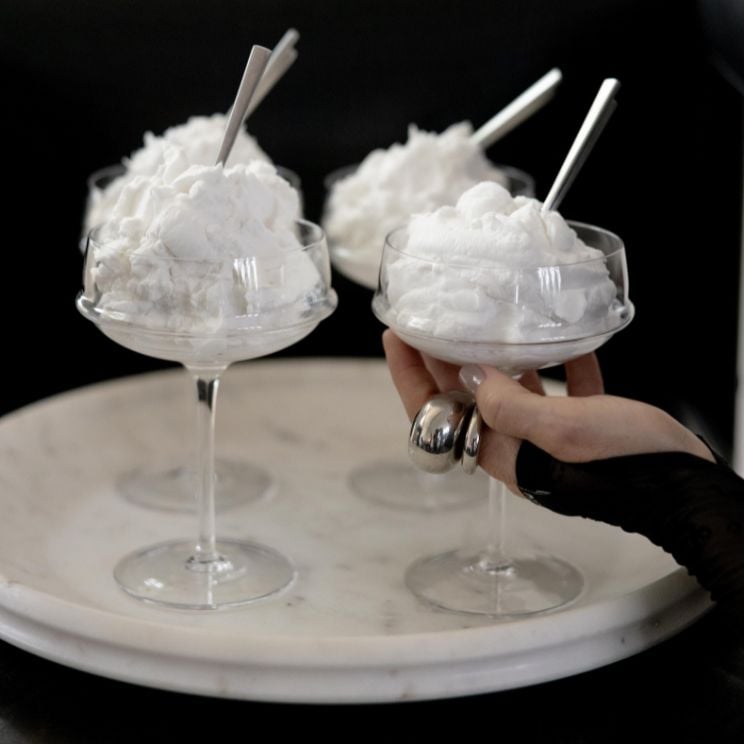
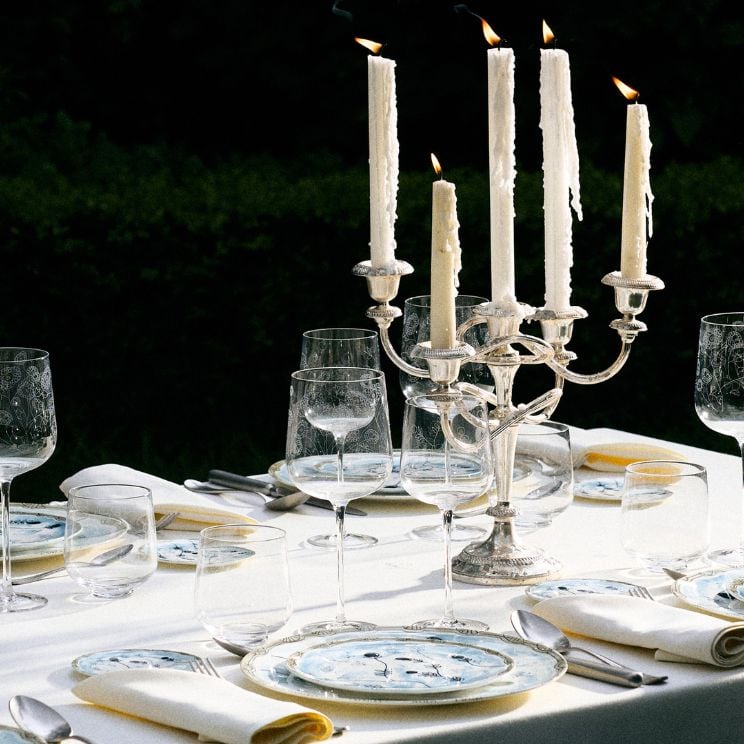


£106.27£118.08
Grand Royal Gold Champagne glasses 2 pcs
Villeroy & Boch
Dispatch within 10 working days




The Library of Wuthering Heights and the 'Sixth Wall'
In the library, blood-red dominates, particularly noticeable on the lacquered floor, a nod to the 'sixth wall' trend, which treats the floor as a primary decorative element. The room's aesthetic consciously references Stanley Kubrick's films.
The most unsettling element of the library is a surreal, white fireplace from which a wave of plaster hand casts emerges. This motif, however, isn't limited to the fireplace – hands appear throughout the room and in many places in the house: they serve as wall sconces 'holding' candles, as elements incorporated into ceiling rosettes, and as handles for small objects and trinkets. The effect is both disturbing and spectacular.
Production designer Suzie Davies pointed to several layers of meaning for this motif. First and foremost, the hands symbolize desperation and possession – the characters' 'constant clinging' and their obsessive need for touch. It's a visualization of possessiveness, the desire to 'lay hands on everything.'
This motif also has a sensual dimension. The hands are meant to evoke a subconscious unease in viewers about 'what these hands are doing,' playing on the sensuality and sexuality of the story.
Finally, the hands emerging from the walls and fireplace are also a nod to the gothic ghost theme from Emily Brontë's novel – the house feels like a living, haunted organism.
Fun fact! The plaster hands seen in the set design were made from casts of the film crew members' hands.
The 'Skin Room' and the Most Controversial Bedroom of the Year
No element of the set design sparked as much discussion as Cathy's bedroom in Thrushcross Grange. Suzie Davies decided to blur the line between inhabitant and home in a literal way.
The room's walls were covered with wallpaper created from high-resolution photos of Margot Robbie's skin. Moles, veins, and the natural texture of the body are visible on it.
The effect is intensified by the fact that hair matching the actress's hairstyle was woven into the curtains by the bed, and the rug features a pattern imitating the arrangement of veins. This interior is at once intimate, vulnerable, and deeply unsettling – perfectly capturing the protagonist's narcissism and entrapment.





How to Bring the Style and Design of 'Wuthering Heights' into Your Home?
While Fennell's cinematic vision is extreme in its expression, stylists predict that this aesthetic will heavily influence interior design trends in 2026.
Here's how to adapt the dark romanticism of Wuthering Heights into your home's interior arrangements:
Embrace 'color drenching': Instead of cool grays, opt for deep, saturated hues. 2026 trends promote shades like Plum Noir, Oxblood, or chocolate brown. Painting walls, trim, and ceilings the same deep color creates the cocoon effect so vividly seen in the film. (Be sure to check out how to create a Cocoon bedroom HERE)
Layered lighting: The key to the on-screen atmosphere is the absence of overhead light. For your home, invest in wall sconces, table lamps, and, most importantly, candle holders and candles. Flames reflecting in mirrors and glossy surfaces build an intimate ambiance.


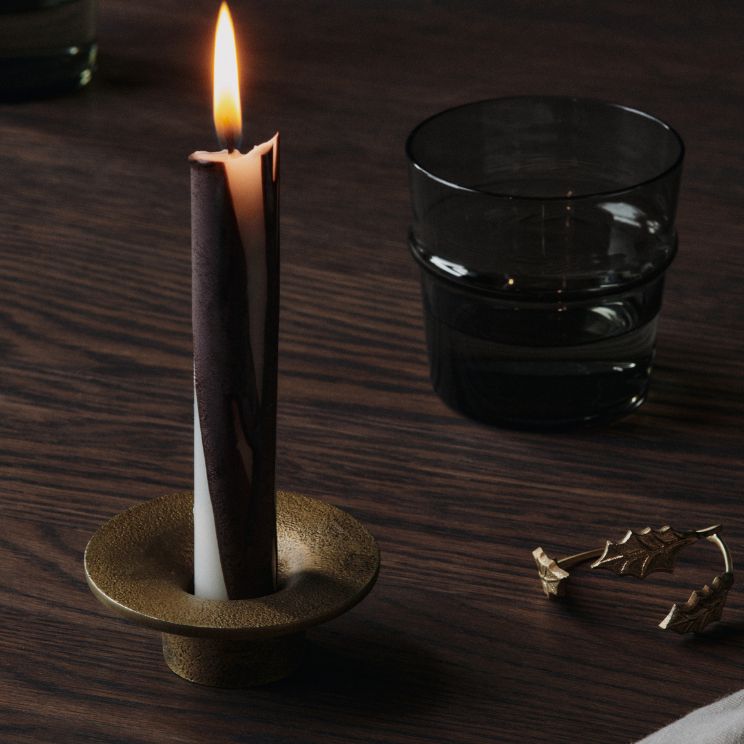


Texture above all: The interiors of Wuthering Heights are incredibly sensory. Introduce velvet, heavy linen curtains, and even lacquered or glass elements that reflect light into your home. Mix raw wood with elegant fabrics.
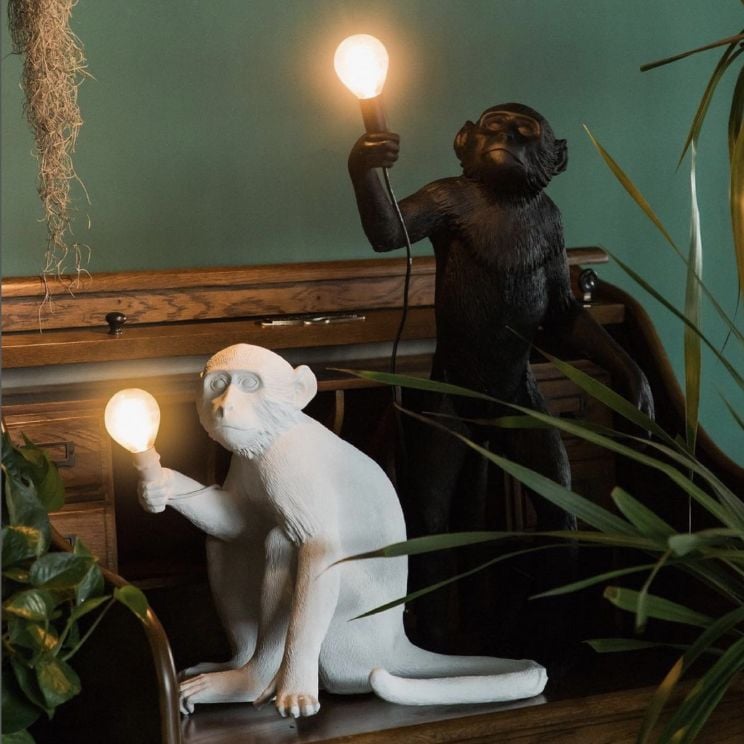
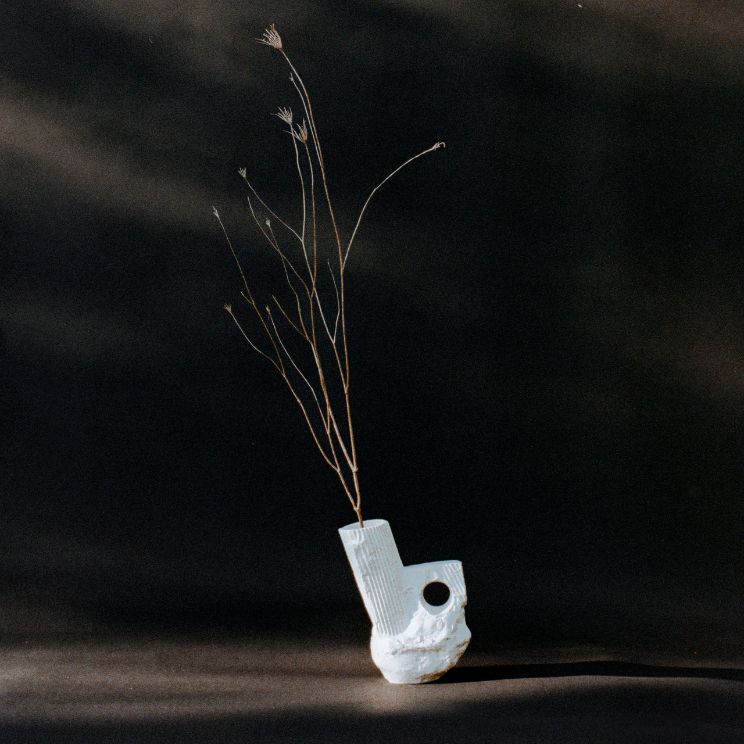
Surreal details: You don't have to mount hand-shaped candle holders on your walls, but it's worth seeking out accessories with character. This could be a hand-shaped vase, a head-shaped lamp, an antique mirror with a patina, or a sculptural candle holder. The idea is to find items that have 'soul' and introduce a touch of mystery, surrealism, and abstraction into your interiors.
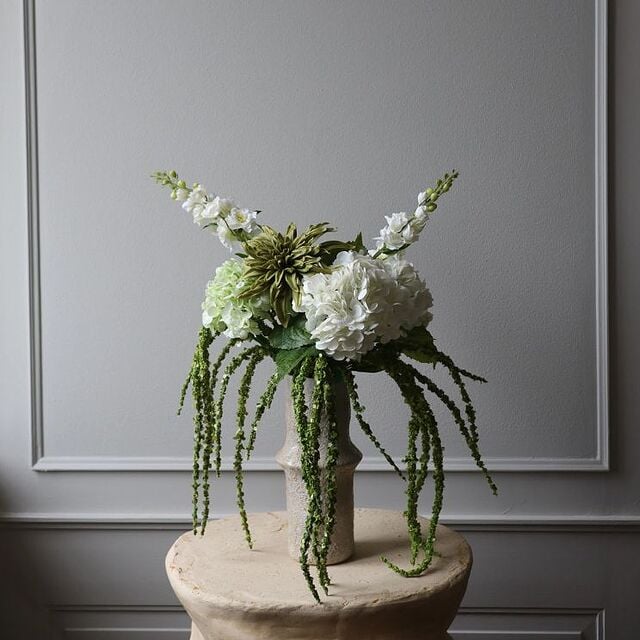
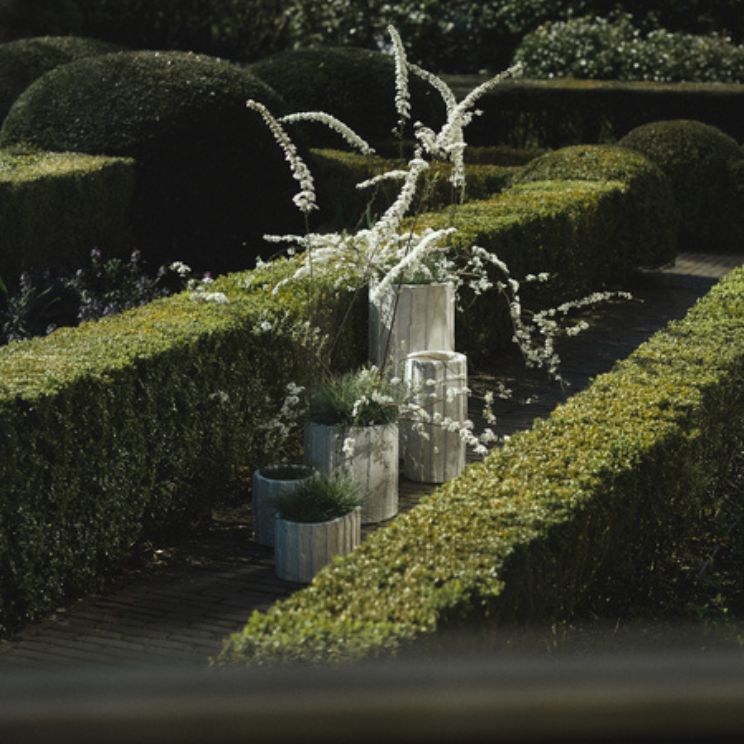
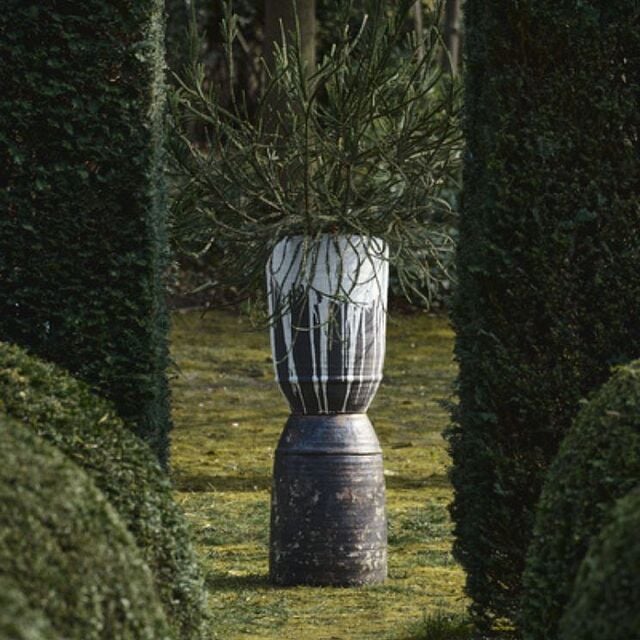
'Moorcore' style vegetation: Instead of perfect bouquets, choose arrangements that look wild and 'wind-swept.' Dried eucalyptus, branches with dark leaves, or ornamental grasses perfectly capture the moorland atmosphere.




'Wuthering Heights' and 2026 Trends: When Film Outpaces Reality
It's no coincidence that Fennell's film hit cinemas precisely when the world of interiors is experiencing its dark blossoming. The 'moorcore' aesthetic didn't emerge in a vacuum – it stems from a deeper cultural yearning that interior designers are calling an 'escape from overstimulation.' After years of cool minimalism and sterile, white spaces that felt more like showrooms than homes, there's a longing for the opposite: for depth, sensuality, and a space that truly 'feels.'
Color Drenching: A Technique Straight from Thrushcross Grange
The most telling example of the convergence between cinematic vision and the real market is the phenomenon of color drenching – a technique that, in 2026, has become one of the hottest trends in interior design. It involves painting walls, ceilings, baseboards, and even furniture in a single, deep color, creating an effect of complete immersion in the hue.
This is precisely what we see in the library and dining room of Thrushcross Grange – blood-red and metallic silver fill the entire rooms, leaving the viewer with no visual 'breathing room.'
Designers describe such spaces as 'emotionally alive.' The cocoon effect, created by a uniform, saturated color surrounding the viewer from all sides, is radically different from a traditionally painted room – and that's precisely why it so powerfully captures the imagination. The most popular colors are deep navies and blacks with a metallic sheen, burgundies and shades of oxblood, chocolate browns, and bottle greens. All of these can be found in Fennell's cinematic palette.
'Vamp Romantic': A Trendy Name for an Age-Old Longing
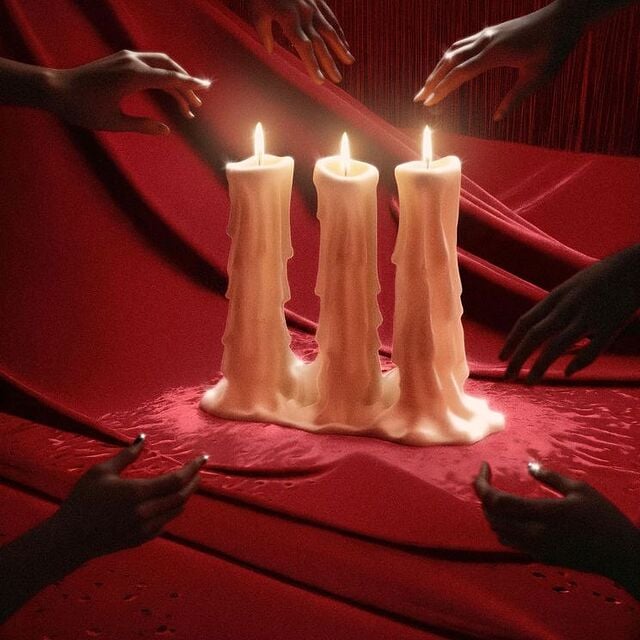
Trend forecasts for 2026 have identified a movement called 'Vamp Romantic.' Its definition reads almost like a description of the set design for 'Wuthering Heights': deep reds, purples, black, and brown paired with velvet, glossy finishes, and gothic-inspired elements. The result is a space that is simultaneously romantic, dramatic, and shrouded in mystery. It's hard to find a better description for the dining room and library of Thrushcross Grange.
This phenomenon has broader cultural roots. After an era of social media aesthetics – bright, flat, photographically 'clean' – a movement emerged that stands in clear opposition. Audiences are tired of interiors that look like an Instagram backdrop. They are seeking authentic, imperfect places, full of stories. Gothic romanticism, with its excess and darkness, responds to this need in the most expressive way.





Sensory and 'Living' Materials: A Retaliation Against Minimalist Smoothness
Another trend that Fennell's film anticipates with remarkable precision is the shift away from polished, uniform surfaces towards materials that 'live' and change over time. In 2026, designers are talking about so-called living finishes – unlacquered brass, patinated metals, oxidized copper, or raw plaster. These are materials that age gracefully, collect traces of use, and gain character.
The interiors of Wuthering Heights – damp walls, raw wood, stone – represent one pole of this aesthetic. Thrushcross Grange shows the other: metallic silver and a gleaming floor are polished, yet deliberately 'restless.' Their surface appeals to the senses, not just sight.
Concurrently, there's growing interest in textile contrasts: silk paired with thick linen, velvet with raw fabric, elements resembling chainmail as decoration. Designers emphasize that such combinations – soft with hard, smooth with rough, etc. – are meant to evoke a physical, almost instinctive reaction. This is precisely the effect Suzie Davies builds into the film's spaces.


Lighting as Mood, Not Function
One of the most surprising points of convergence between the film and real trends is the approach to light. In 'Wuthering Heights,' there's no classic overhead lighting – the space is built by candle flames, wall sconces, and mirrors multiplying reflections.
This is precisely what designers recommend for 2026: a shift from functional to emotional lighting. Warm wall sconces grazing the texture of walls, dimmed chandeliers, table lamps creating intimate nooks – this is the language of interiors meant to 'warm,' not just 'illuminate.'
In dark, saturated spaces, light behaves differently than in bright interiors: it enters into a dialogue with color, brings out texture, and builds a gradient of shadow and glow. Designers describe this effect as a 'living backdrop' – a room that transforms throughout the day and evening, never looking identical. The library of Thrushcross Grange, with its gleaming floor reflecting candlelight and plaster hands casting dramatic shadows, is the on-screen realization of this idea.


Wuthering Heights and Gothic Romanticism in the Mass Imagination
Perhaps the most crucial point of connection between the film and the market is that 'Wuthering Heights' lends cultural legitimacy to the gothic-romantic aesthetic. Interiors inspired by Brontë – dark walls, decorative stucco, surreal everyday objects – have ceased to be an eccentric choice. They have become a clear reference that an interior stylist can invoke without further explanation. It's enough to say: 'like in the new Wuthering Heights.'
Big cinema doesn't so much create trends as it gives them a language. 'Moorcore' had its roots earlier – in the fatigue with minimalism, in the longing for depth, in the need for a sensory experience of space. Fennell's film gave this aesthetic a visual reference point and – most importantly – an emotional justification. Dark, intense, unconventional interiors ceased to be a whim. They became an expression of something real.
Wuthering Heights 2026 - Summary
'Wuthering Heights' A.D. 2026 is more than just another adaptation of a classic English novel. It's an aesthetic manifesto that proves interiors can be as passionate and destructive as the people who inhabit them.
Emerald Fennell and her team have created a world where design screams, cries, and desires. Regardless of whether the film captivates us narratively, its impact on aesthetics and our perception of gothic romanticism will stay with us for a long time – perhaps even in the form of the wall color in our bedroom.