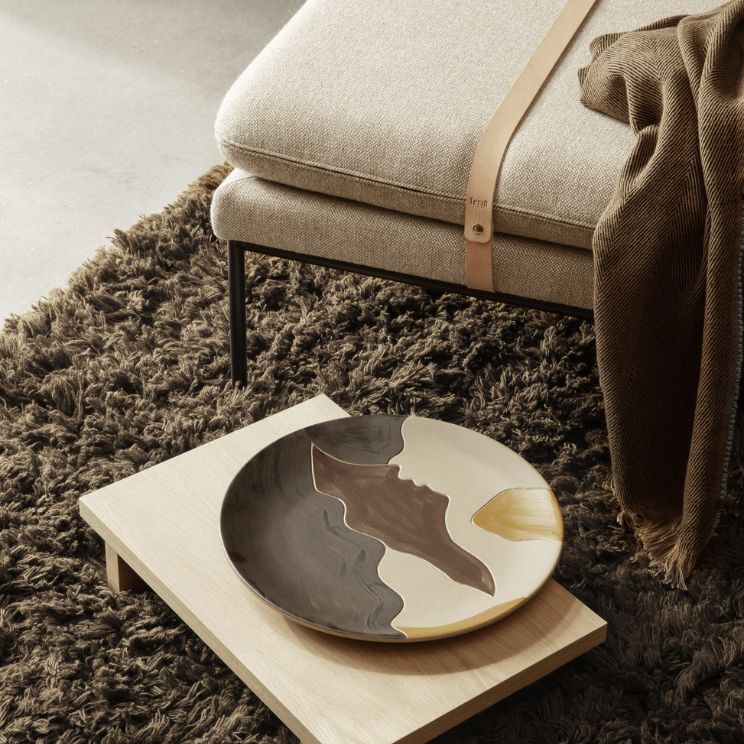
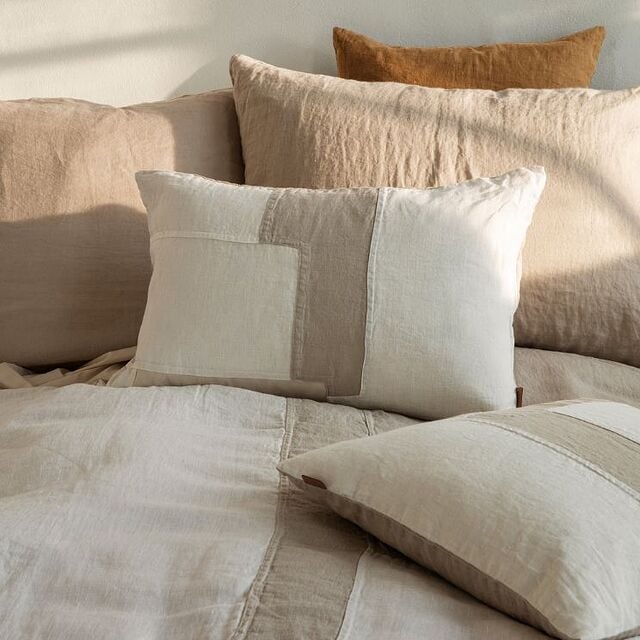
Looking for inspiration and wondering what bedroom idea will best meet your need for true rest? The cocoon bedroom trend was created for those who dream of an interior conducive to regeneration, tranquility, and everyday comfort. This article is for everyone who wants to transform their bedroom into a cozy relaxation zone.
Imagine a space that envelops you like a cocoon – soft, warm, cutting you off from the noise of the outside world. The cocoon bedroom is a bedroom idea that answers the need for deep rest and regeneration. It's an interior designed so that upon crossing the threshold, you can feel an immediate sense of calm – without the cool austerity of minimalism, but with a full dose of coziness.
Knowledge in a nutshell:
A cocoon bedroom is a bedroom-cocoon – a space focused on tranquility, regeneration, and sensual comfort, where every element serves relaxation and peaceful sleep.
Key features of the trend include soft, enveloping textures (linen, wool, boucle), a warm neutral color palette (beiges, ecru, taupe, olive), and layered lighting instead of a single harsh light source.
The makeover can be done in a weekend – starting with changing textiles, repainting the wall behind the bed, and adding warm light points.
The trend works in any size space – both in a small bedroom in an apartment block (8-10 m²) and in spacious interiors, provided colors and materials are thoughtfully chosen.
Further in the magazine, you'll find specific tips: example color palettes, types of fabrics, ready-made furniture sets, and a practical step-by-step arrangement plan.



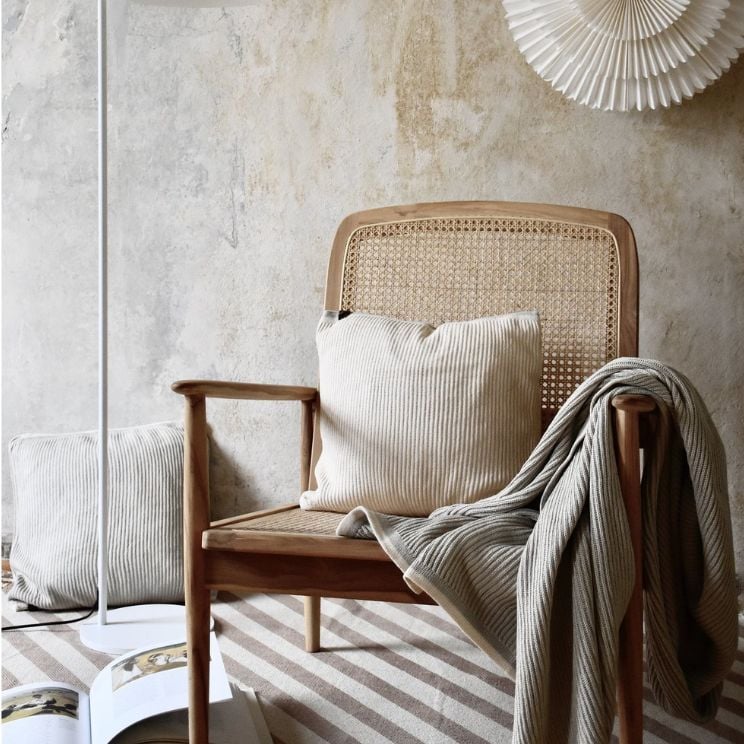


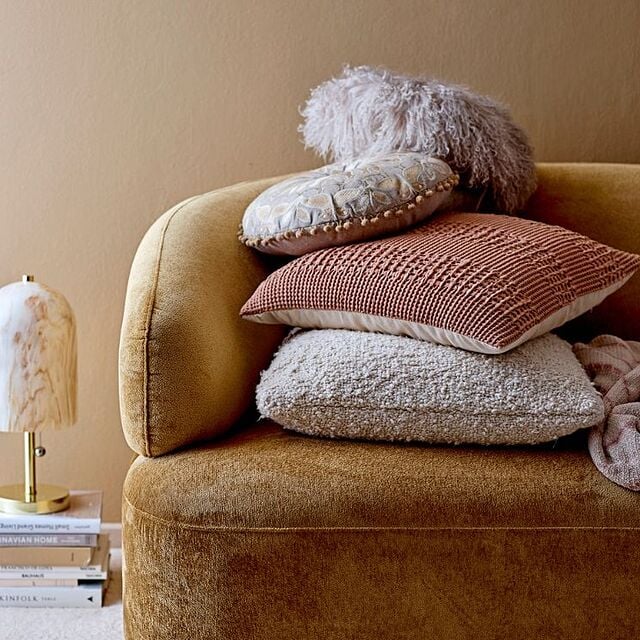
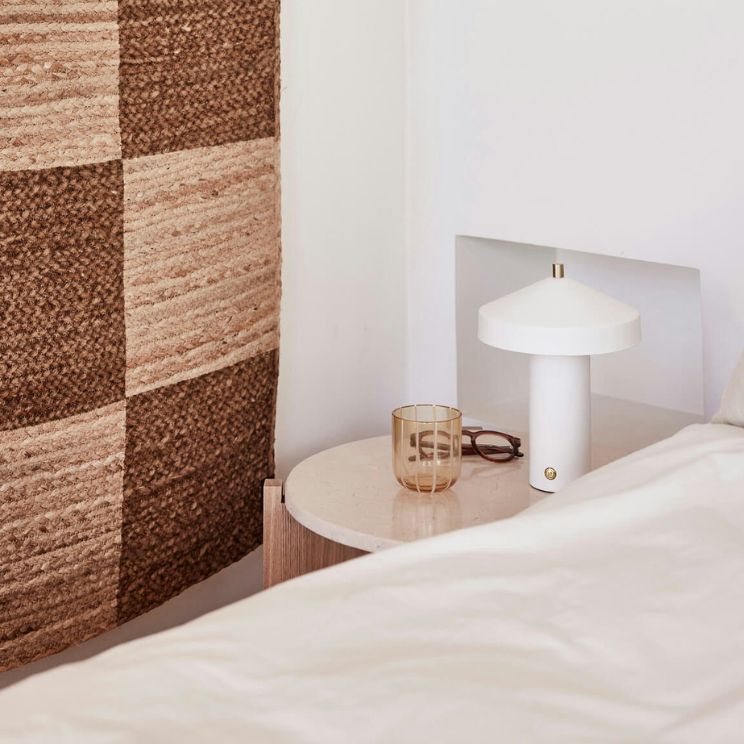


What is a cocoon bedroom? A modern bedroom in a cozy style
A cocoon bedroom is literally a "bedroom-cocoon" – a room designed to insulate from stimuli, calm the senses, and promote deep regeneration after a long day. This isn't just another interior design trend; it's a response to real needs that have grown since 2020: the pandemic, remote work, and information overload have made home the only refuge, and the bedroom – a place where we desperately seek peace.
The difference between a typical modern bedroom and a cocoon bedroom is clear:
A modern Scandinavian-style bedroom often emphasizes cool simplicity, bright colors, sharp edges, and minimal accessories.
A cocoon bedroom foregoes austerity in favor of softness, rounded forms, and overlapping layers of textures.
This bedroom idea combines elements from various styles – Japandi, Scandinavian, spa – but the priority isn't aesthetics alone, but the feeling of comfort. It's worth opting for solutions that engage the senses: the touch of soft fabrics, warm light, muted colors. Is this your vibe? Then also read our magazine: Cozy and wellness in interiors.
What's important is that the trend works equally well in a small bedroom in an apartment block of 8-10 m², as it does in spacious interiors. The key lies in the careful selection of colors, materials, and the proportions between individual decor elements.
Cocoon style color palette – only light colors?
The foundation of a cocoon-style bedroom arrangement is warm, neutral colors that don't stimulate but rather calm. Forget sharp contrasts and intense colors – here, muted harmony reigns supreme.
Color base
The foundation consists of shades that evoke natural materials and warmth:
Off-white (not sterile, "hospital" white, but creamy, soft)
Vanilla and ecru
Linen beige and sandy
Caramel and cocoa
Warm gray and taupe
Muted olive green
Example palettes to use
Palette 1: Classic cocoon
Walls: sandy beige or ecru
Textiles: shades of cappuccino and ivory
Finishing details: darker brown or graphite gray
Palette 2: Earthy elegance
Walls: milky white with an accent wall in cocoa behind the bed
Curtains: linen in ivory
Accessories: natural wood tones, warm brown
Palette 3: Serene green
Walls: milky white
Accents: sage green in pillows and a bedspread
Furniture: dark wood, walnut
What to avoid
Sharp contrasts (strong black with pure white)
Intense, stimulating colors (bright red, neon yellow)
Powder pink can appear, but in a very muted, subdued version
Light colors are recommended, but always "broken," never garish
Warm colors, such as yellow, orange, or red, should be used in details so as not to overstimulate.
Golden rule: choose a maximum of 3 main colors for the entire room. The rest should be their shades – this enhances the impression of a cohesive "cocoon" and supports peaceful sleep.



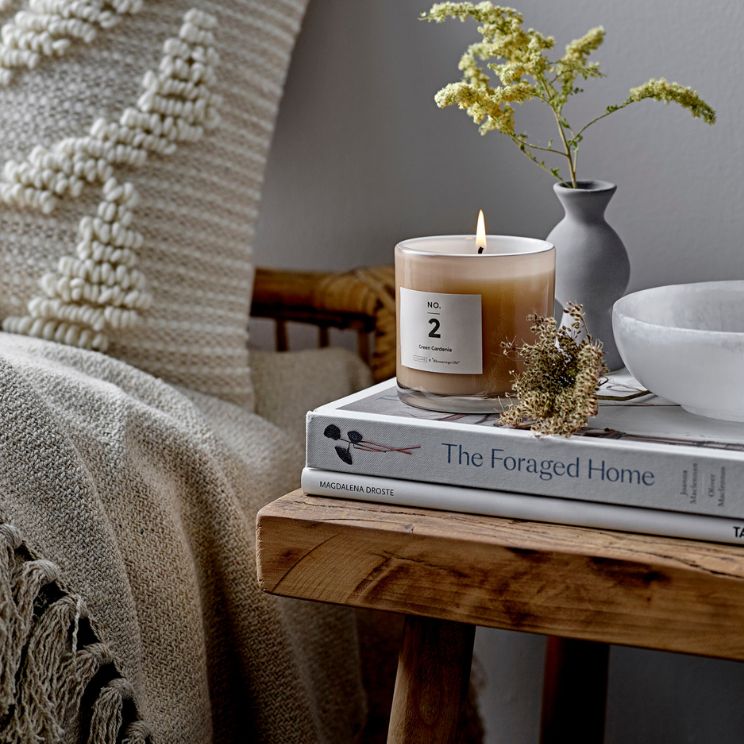


Materials and textures. Best ideas: soft, natural, layered
The key principle for arranging a bedroom in this style is: combine natural, pleasant-to-the-touch materials with soft finishes. In the bed area, there's no room for "cold," harsh surfaces.
Fabrics ideal for a cocoon bedroom
- Thick linen will be useful as a material for curtains or bedding. It is breathable and wicks away moisture 20% better than synthetics.
- Satin cotton, which works perfectly as a bedding material, guarantees smoothness and a pleasant cool touch in summer.
- Meanwhile, muslin is a suggestion for light bedspreads or sheer curtains. Thanks to it, you'll achieve a light, natural look.
- Wool or alpaca wool is an excellent material for blankets, providing warmth and thermoregulation in one.
- If you're looking for a distinct texture and a cozy effect, use chunky knit fabric.
Materials for the bed and headboard
A comfortable bed with an appropriate headboard is the heart of a cocoon bedroom. The best options are:
Upholstery in soft boucle fabric (a "lambskin" effect)
Velvet in muted shades
Textured fabric with a distinct weave
Upholstered panels on the wall behind the bed
Flooring
The ideal flooring is natural wood – oak or ash in a warm shade. Alternatives include vinyl or wood-effect panels. The key is to complement them with a soft rug:
Shaggy rug by the bed
Wool rug with a long pile
Thick wool rugs can reduce noise by 10-15 decibels, improving sleep quality
Textured accessories
Thick blackout curtains (blackout lining)
Pillows with different weaves and textures
Quilted bedspreads
Baskets made of rattan or seagrass for storage
Layering is key in the cocoon trend – several layers of fabrics on the bed, floor, and windows instead of a single thin curtain and a single duvet. These layers are precisely what create the enveloping effect.


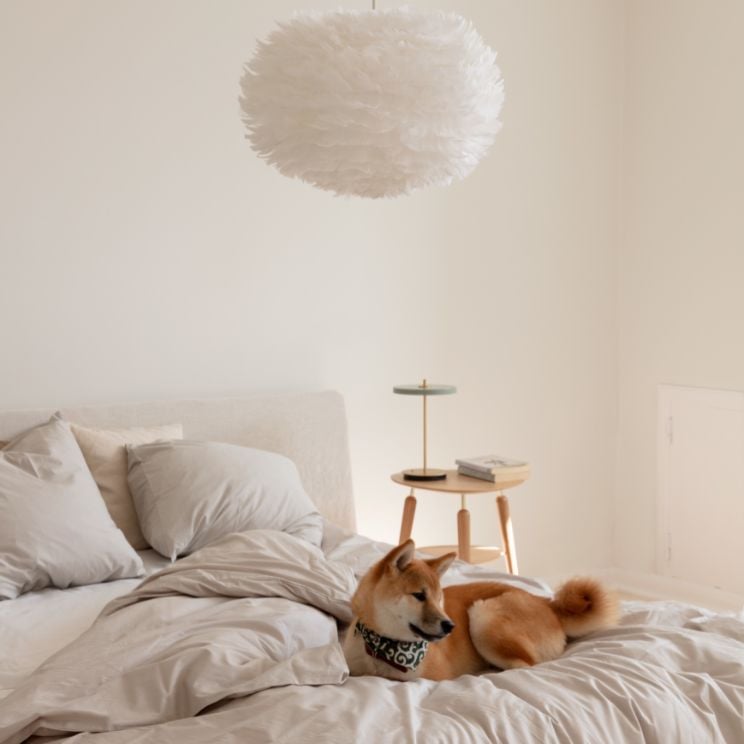
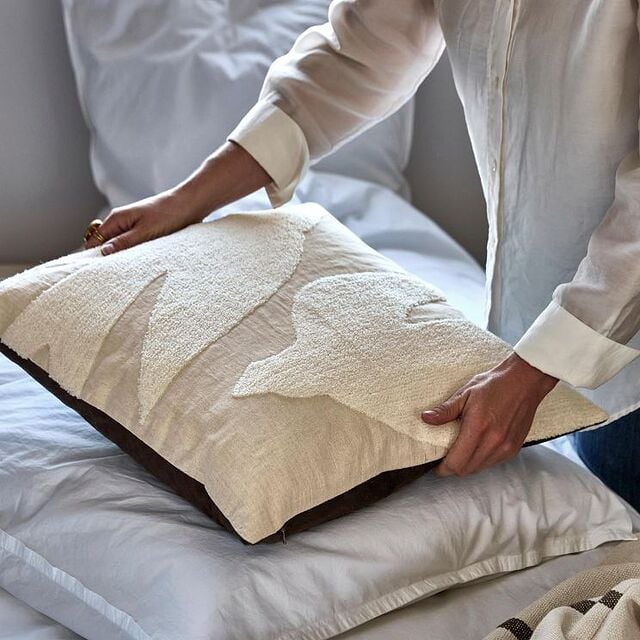


Furniture for a cocoon bedroom: the bed in the starring role
The heart of any cocoon-style arrangement is the bed – comfortable, enveloping, ideally with a high, soft headboard that creates a physical "cocoon" for reading and relaxing.
Choosing a bed by size
- Small bedroom in an apartment block (approx. 9 m²) - recommended bed size is a minimum of 140x200 cm. In this case, consider a bed with storage.
- Medium bedroom (12-15 m²) - a 160x200 cm bed would be a good choice.
- Large bedroom (over 15 m²) - here, a large bed measuring 180x200 cm will be a bullseye, guaranteeing a full enveloping effect.
Bed with storage or drawers
This solution allows you to limit the number of additional storage furniture, which helps maintain visual calm. Fewer pieces of furniture simply mean less clutter.
Mattress – the foundation of good sleep
Firmness zones adapted to sleeping position
Medium firmness (H2/H3) will work for most people
Breathable fabric cover
A good mattress is an investment in comfort and healthy, peaceful sleep
Auxiliary furniture
Instead of massive, angular furniture, choose:
Nightstand or bedside tables without sharp edges, with rounded edges
Low chests of drawers (a chest of drawers up to 80-90 cm high doesn't overwhelm the room)
Upholstered bench at the foot of the bed instead of a massive chest
A nightstand can have drawers or shelves for books and trinkets
Do you like rounded furniture that looks like it's molded from clay? In this magazine, you'll learn more about two trendy styles: chubby and chunky style.
Storage
To avoid disrupting the cozy atmosphere, opt for:
A wardrobe with smooth fronts in the color of the walls
Built-in units up to the ceiling that "disappear" into the interior
A wardrobe with a mirror to optically enlarge the space
Sliding doors if there's no space for traditional opening ones
In another room – if you have the option – store seasonal items. The bedroom should be free from excess.
Textiles and accessories: how to build the cocoon effect
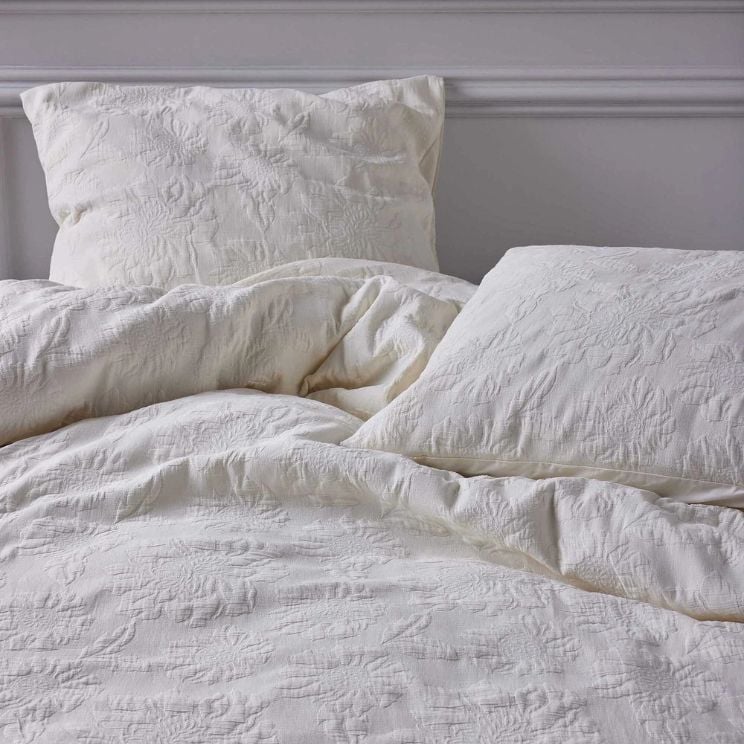
The simplest makeover starts with changing textiles. This is the quickest way to transform an ordinary bedroom into a cocoon bedroom – even without replacing furniture.
Bedding as a base
Choose plain, smooth, or subtly textured bedding in a neutral color:
Ecru or latte
Light gray or cream
A set of matching decorative pillowcases
Layers on the bed – the recipe for a perfect cocoon
Fitted sheet – well-fitted, with elastic
Duvet in a muted cover
Bedspread in a shade one tone darker than the bedding
Throw blanket with a distinct weave, loosely draped on top
Curtains
Ideal curtains for a cocoon bedroom are:
Floor-length (or even slightly pooling on the floor)
Made of thicker material (linen, densely woven cotton)
Preferably with a blackout lining
In the color of the walls or one tone darker
Hung high – above the top edge of the window to optically heighten the room
It's often said that opting for light sheer curtains instead of heavy ones allows more light into a small bedroom. However, in a cocoon bedroom, privacy and a sense of being enveloped are more important, which is why we recommend choosing curtains.
Rugs
At a minimum, a soft rug by the bed. Ideally:
A large rug under the bed, extending about 50 cm on three sides
The first contact your feet make in the morning is a soft surface, not a cold floor
Material: wool, shaggy, or plush
Decorations – less is more
Limit yourself to a few larger elements:
Large pillows (3-5 pieces in various sizes)
A woven blanket
Ceramics in natural colors
A maximum of a few frames with calm pictures or graphics
No excess of small trinkets – they disturb the sense of calm




Cocoon bedroom step by step – a practical makeover plan
Here's a practical plan you can implement in one weekend or divide into 2-3 stages. These are the best ideas compiled as instructions.
Step 1: Analysis and decluttering
Remove unnecessary items from the bedroom
Limit the number of visible items on surfaces
Store seasonal items in closed containers
Assess what stays and what needs replacing
Step 2: Choosing a color palette
In a small apartment bedroom: lighter beiges, ecru, creams
In a larger space: deeper cocoa, taupe, darker beige
Plan for potential repainting of the wall behind the bed
Buy paint samples and test them under evening light (colors darken by about 15% after sunset)
Step 3: The wall behind the bed
Options to choose from:
Painting in a darker, warm color (cocoa, taupe, olive)
Installing upholstered panels for an "enveloping" effect
Wallpapers with a subtle texture (avoid large patterns)
Molding or stucco for added depth
Step 4: Furniture
Determine which furniture stays
Consider replacing with simpler and visually softer pieces:
Rounded nightstands
Bed with a higher headboard (minimum 40-50 cm)
Discreet built-in wardrobe in the color of the walls
If you have a desk in the bedroom – consider moving it to another room
Step 5: Textiles – shopping list
Priorities on a limited budget:
Bedding set in a neutral color
One bedspread or coverlet
Two throw blankets with different textures
Blackout curtains
Rug or runner by the bed
Step 6: Lighting
Add or replace at least two light sources
Wall lamps by the bed + a table lamp on the chest of drawers
Use warm light bulbs (2700-3000 K)
Consider dimmers or lamps with adjustable settings
Step 7: Final details
One large painting with a soft, organic form or calm graphic
Vase with dried grasses or flowers
Candles in ceramic candle holders
The right number of pillows (3-5 pieces) with different textures
Avoid overdoing it – in reality, fewer decorations mean more peace.
Cocoon bedroom in a small apartment bedroom
Arranging a small bedroom in a cocoon style is absolutely possible. In an apartment of 7-10 m² (typical blocks from the 70s-90s), avoiding clutter is key.
Basic rules for a modern small bedroom
Closed wardrobes instead of open shelves or bookcases
Bed with storage for bedding and seasonal items
Limited number of colors (maximum 2-3)
Minimum accessories and decorations
Bed placement
Depending on the room shape:
Narrow room (width 2.5-2.7 m): bed with the shorter side against the wall, along the longer wall
Square room: bed centrally under the window or perpendicular to it
Always leave a minimum of 50 cm of passage on one side of the bed
Visual enlargement of space
Light walls (ecru, cream, light beige)
Curtains in the color of the walls
Mirrored wardrobe fronts or one larger mirror on a side wall (increases perceived space by approx. 20%)
Furniture on legs that expose the floor
Work zone
If a desk must remain in the bedroom:
Hide it in a built-in unit behind sliding doors
Use a folding wall-mounted desk
At least separate the work area with a screen or curtain
A modern cocoon-style bedroom is a space exclusively for rest – the fewer work-related elements, the better for relaxation and peaceful sleep.




FAQ – frequently asked questions about cocoon bedrooms
Is a cocoon bedroom suitable for a bedroom without a window?
Yes, a makeover is also possible in a bedroom without natural light. However, special attention must be paid to:
Good ventilation (mechanical ventilation or frequent airing through the door)
High-quality artificial lighting with a warm color temperature (2700-3000 K) at several levels
A bright, illuminating color palette (creams, ecru instead of dark beiges)
Mirrored surfaces that optically enlarge the interior and diffuse light
How to reconcile a limited budget with a cocoon-style makeover?
A makeover doesn't have to be expensive. Start with what gives the biggest effect with the least effort:
Textiles – replace bedding, buy one bedspread and curtains (this is an immediate change in the room's character)
Lighting – add warm light bulbs and one mood lamp (cost 50-150 PLN)
Wall behind the bed – repaint it a warmer color instead of buying new furniture
Utilize existing furniture by adding soft elements (a throw blanket on the bed, pillows)
Is there room for strong colors and patterns in a cocoon bedroom?
Intense colors can be introduced, but to a very limited extent – a maximum of 10-15% of the entire decor. This could be:
One pillow in a deeper color (navy, bottle green)
A small painting or graphic with a color accent
A lamp in a warm shade
The base should remain calm and neutral so as not to disrupt the calming cocoon effect. Avoid large, contrasting patterns on walls or bedding.
How to care for textiles in a cocoon bedroom to keep them looking good for a long time?
Basic care for cocoon-style textiles:
Wash bedding and bedspreads according to manufacturer's recommendations (usually 40°C for linen and cotton)
Avoid harsh detergents and bleaches
Regularly air out duvets and pillows (preferably weekly)
Vacuum the rug 1-2 times a week
Vacuum upholstered headboards using a furniture attachment
Wash wool and alpaca throws rarely, air them out more often
Is the cocoon bedroom trend timeless, or just a fleeting fad?
The cocoon bedroom is based on a universal, deeply human need for comfort and tranquility – a need that won't disappear with changing fashion seasons. Thanks to its neutral color palette and natural materials, this style is easy to refresh: simply change small accessories (pillows, a throw, a lamp) to give the interior a fresh look without a costly makeover.
Therefore, a cocoon bedroom can be treated not as a fleeting inspiration, but as a long-term direction for bedroom arrangement – an investment in the quality of daily rest that will serve for years, adapting to individual needs and changing preferences.
A cocoon bedroom is more than an interior design trend – it's a philosophy of creating a space that truly supports your health and well-being. Start with one step: change your bedding, repaint the wall behind your bed, or add warm lighting. You'll feel the difference after just one night spent in your new cocoon.


£104.48
My First Baobab Women Gift Set, Scented Candle and Diffuser, 2 pcs.
Baobab Collection
shipping in 24 h