Homemade roasts have a unique and unparalleled flavour. However, pan-frying a perfect steak and roasting succulent, flawless meat is a true art. An art that each of us can master! Just familiarise yourself with our tips, and every piece of meat you prepare will delight with its taste and aroma.
The ABCs of Roasting Meat
For meat to be delicious and look splendid on the table and plate, it must first and foremost be fresh. For roasting, it's worth choosing cuts of meat that aren't too lean, such as pork neck, ribs, whole chickens, geese, turkeys, chicken thighs, sirloin, lamb. But more refined varieties, like pork loin or turkey breast, also taste superb after roasting.
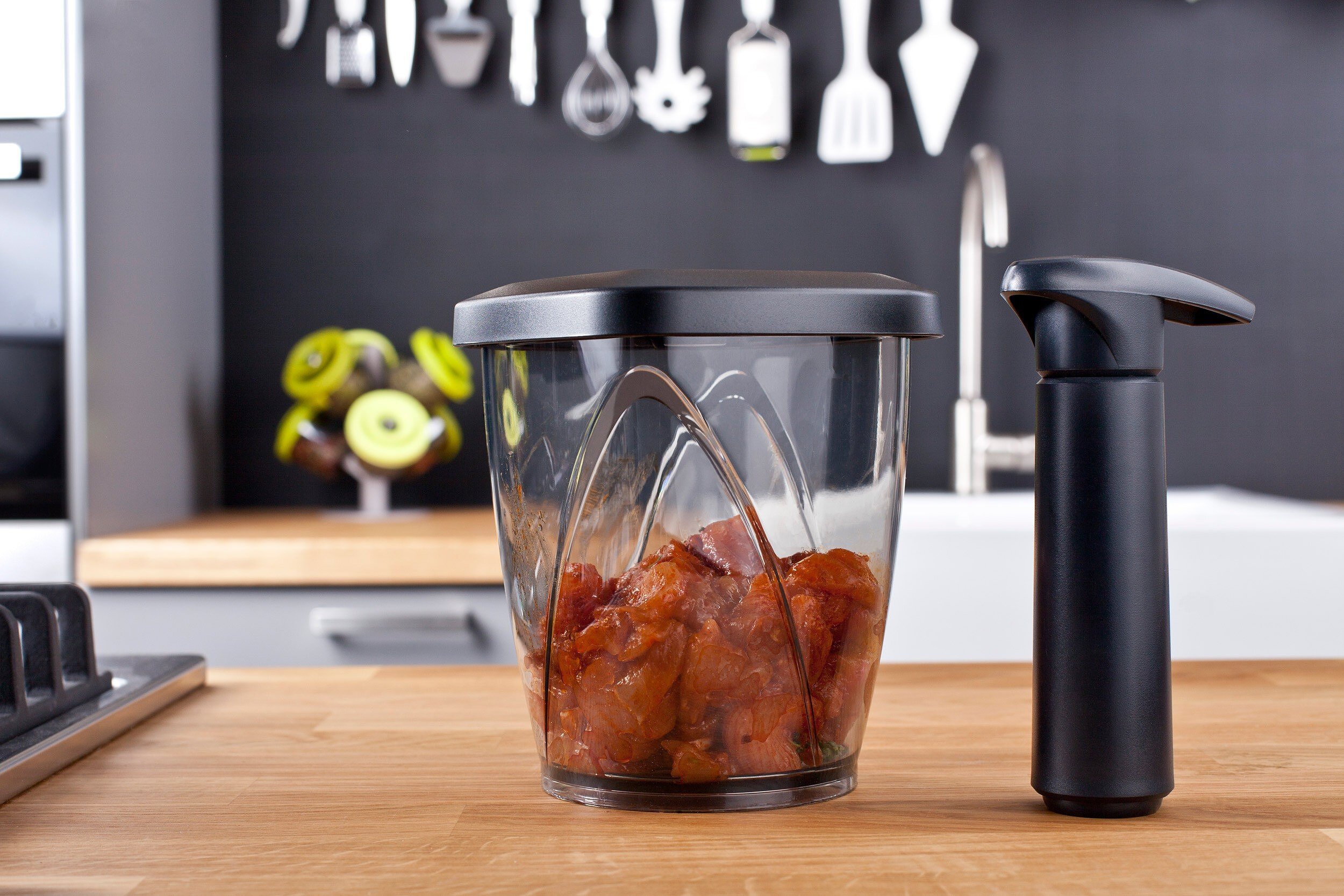
Before roasting, you should dedicate a little time to the meat and prepare it properly. First, we must remember to prepare a marinade. 24 hours before planned roasting, the meat should be rubbed on all sides with a marinade made from herbs, e.g., crushed garlic, marjoram, thyme, dried coriander, rosemary, and savory, with added oil and wine or lemon juice. Place the marinated meat in the fridge, and after 12 hours, turn it over.
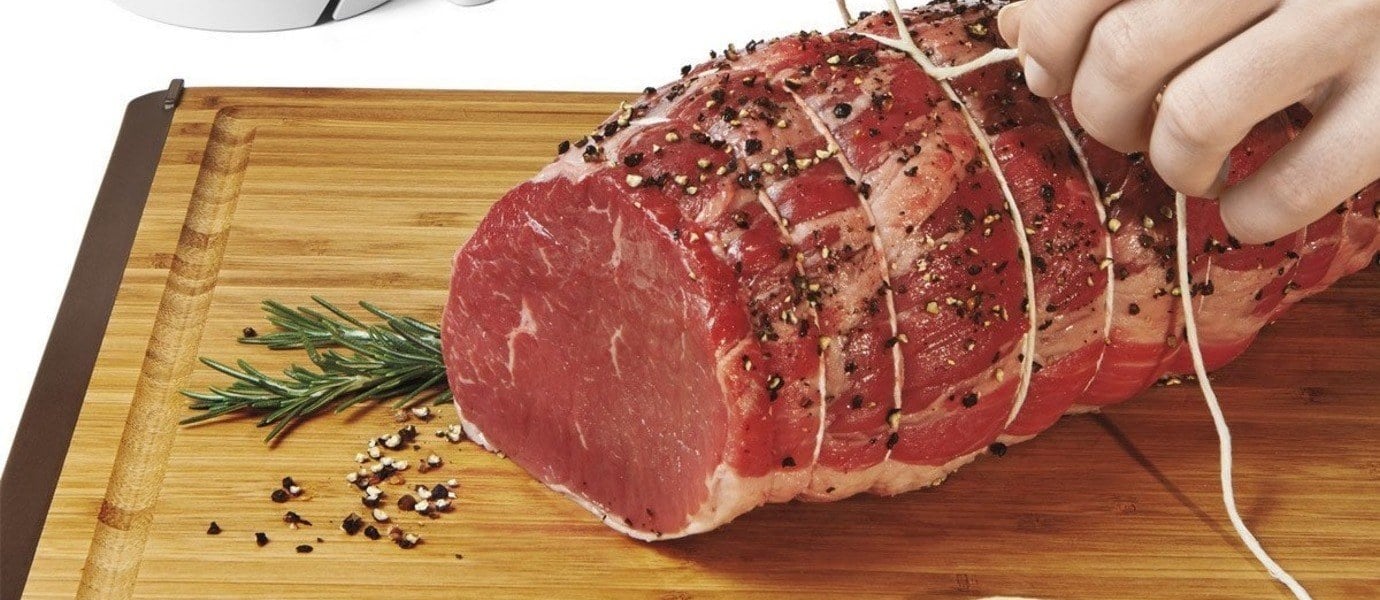
What should you do to prevent the meat from drying out during roasting? You need to ensure the protein on its surface coagulates quickly. This way, the juices in the meat won't escape but will remain inside. The most popular method is to quickly sear the meat over the highest heat. An equally effective and proven method is roasting in a special cooking bag. Meat placed in a bag cooks in its own juices, meaning it doesn't dry out and remains very succulent. The protein in the meat will also coagulate quickly if you put the roasting tin or ovenproof dish with the roast into a heavily preheated oven. Regardless of the method you choose, we suggest tying the meat with cotton string before putting it in the oven and forming it into a compact shape. This will prevent it from falling apart during roasting and ensure it has a beautiful shape.


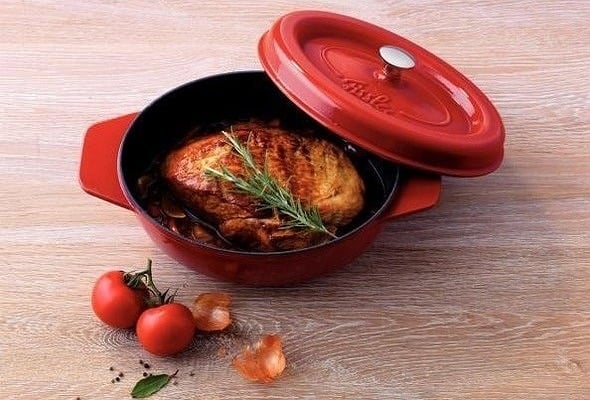
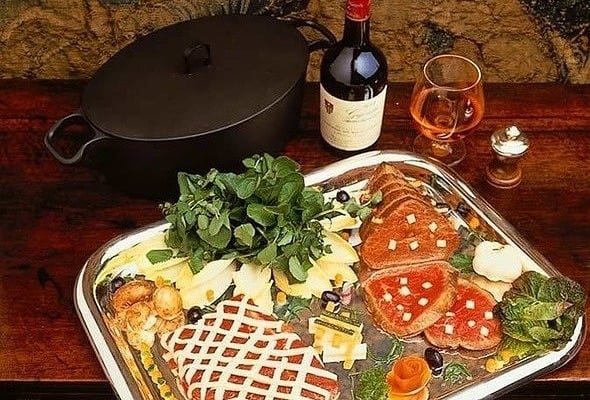


At what temperature should meat be roasted? The optimal temperature is 160-180 degrees Celsius, although for the first 15 minutes of roasting, it is recommended to set a higher temperature, i.e., 200-220 degrees Celsius. Roasting time depends on the weight of the meat. The general rule of thumb is that for 1 kilogram of meat, you need to allow 1 hour of roasting. You'll be sure the roast isn't raw if you equip yourself with a meat thermometer to measure the internal temperature of the meat. During roasting, turn the meat several times – this way, it will cook evenly. You'll achieve a crispy skin if you occasionally baste the meat with its rendered fat.


Pork neck, ribs, roasted pork loin, or any other type of meat will taste even better if you wait 10-15 minutes after roasting before you start slicing them. This allows the temperature to equalise, the juices to distribute evenly, and the meat to be succulent and aromatic.
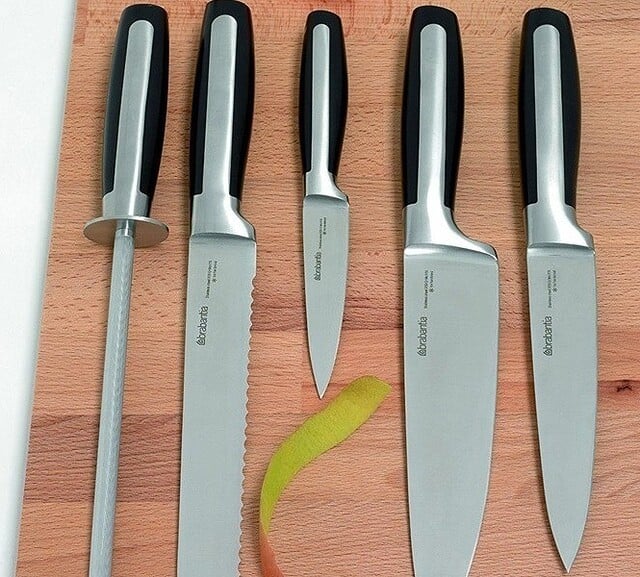


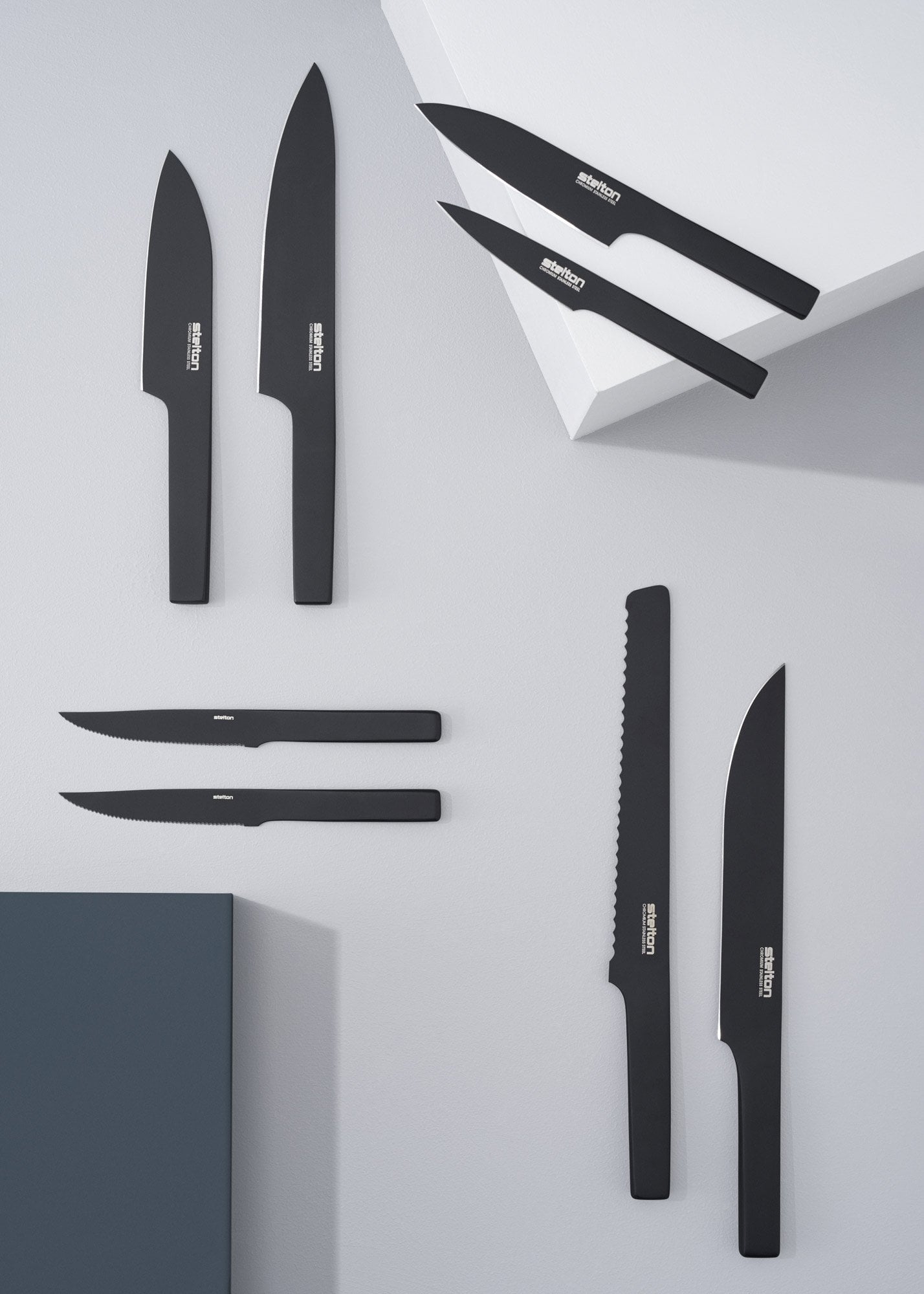
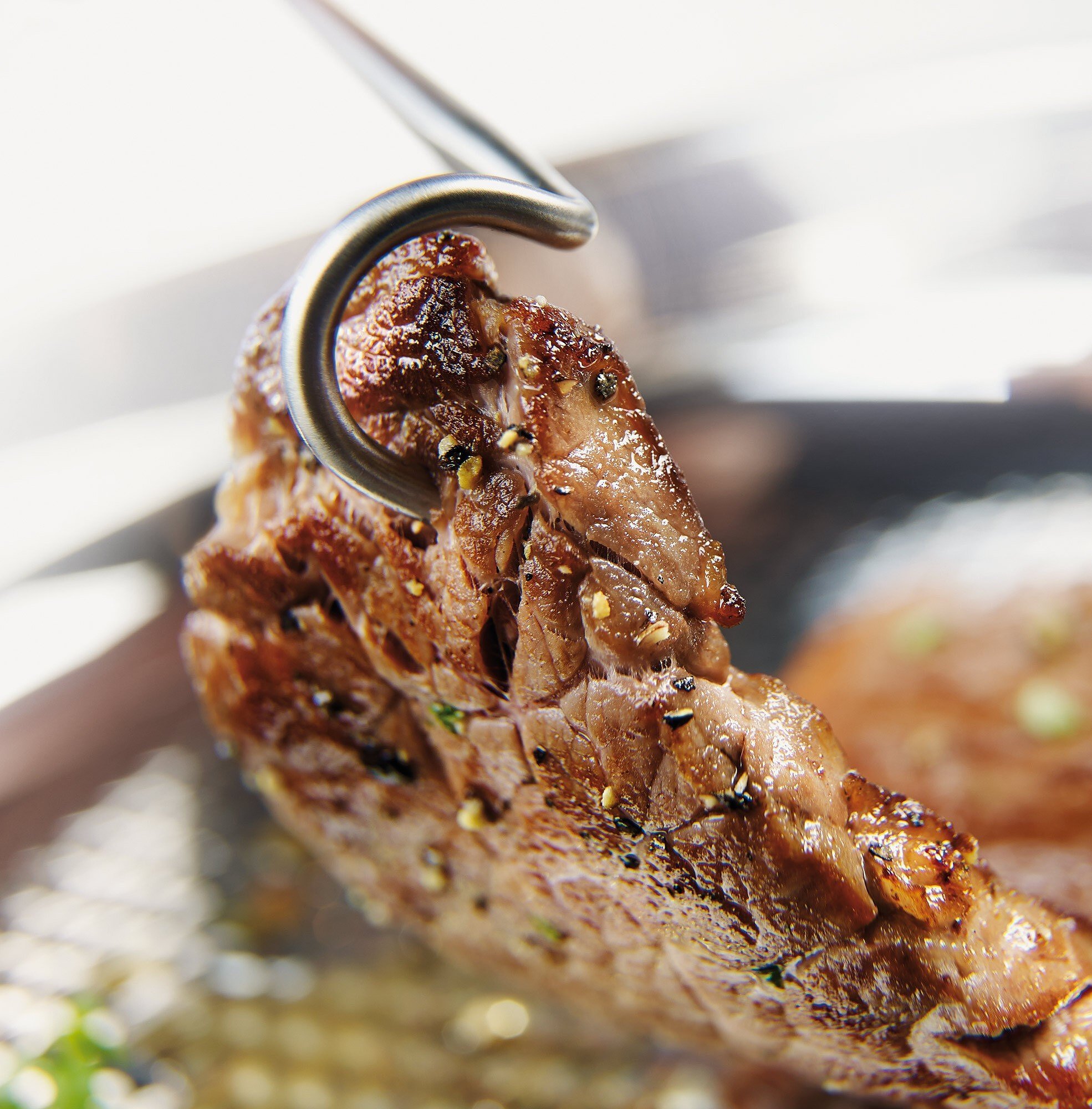
We have one more tip for you! You’ll slice roasted meat with ease and serve it to the table if you arm yourself with a good quality kitchen knife and a meat fork – an incredibly practical gadget that allows you to hold the meat while slicing, as well as transfer and serve it onto plates.
Our Advice
How to Bake a Good Pâté and Roast?
A good pâté...
Preparing homemade pâté or a roast is not difficult at all. You should start their preparation by choosing the type of meat. The tastiest pâtés and roasts are made from fatty meat – pork, beef, or goose. For their preparation, we can use poultry or game meat, but it's worth combining them with pork jowl or bacon. It should be emphasised that pâtés are prepared from cooked meat, which should be minced twice through a meat grinder, while roasts are made from raw minced meat, which, like meat for burgers, should be minced yourself to achieve the right texture. A classic example of a delicious, aromatic roast is a meatloaf with egg.
The secret to a well-prepared pâté and roast lies in the spices. Don't skimp on them! Pork loves thyme and tarragon, beef – coriander and rosemary, and goose – marjoram. The meat mixture must also include garlic, ground allspice, grated nutmeg, salt, and pepper. Knead the mixture thoroughly to aerate it well.
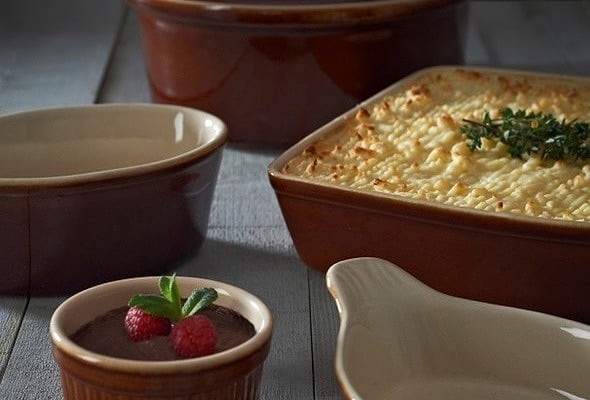
After transferring the raw mixture to a baking dish, you can top it with slices of bacon or pork fat. This will prevent the meat from drying out during baking. Pâtés and roasts usually need to be baked for 45-60 minutes at 190-200 degrees Celsius. The roast is ready when it has a nicely browned crust.
Leave the pâté or roast in the tin to cool, then put it in the fridge, and only slice it the next day. This allows the flavour, fat, and juices to set, and the pâté will slice perfectly and taste exquisite.


How to Make the Perfect Steak?
First things first – choose a good cut of beef. For steak, sirloin, rib-eye, or entrecôte are best.
To prevent the meat from thermal shock and to cook faster, take it out of the fridge about an hour before frying. This step will also help you avoid a situation where the outside of the steak is burnt, but the inside is raw.
Don't forget the seasonings. Beef steak loves above all salt and freshly ground pepper, lots of pepper! It's not true that meat shouldn't be salted before frying. During thermal processing, the meat contracts, so if we don't salt it just before placing it in the frying pan, the salt won't be able to penetrate the inside. Season the steak with pepper only after removing it from the pan.
Now we move on to the most important task: frying. How to fry a steak so that it is properly cooked, juicy, and at the same time tender, delicate, and incredibly aromatic?
First and foremost, we must equip ourselves with a good quality steak frying pan – a grill pan, a ceramic pan, a cast iron pan, or a steel pan. We particularly recommend grill pans with ridges, which first allow excess fat to drain away, and second, create an appealing griddle pattern on the steak. Choosing the right pan is crucial for frying steaks – the most important feature is a thick bottom that distributes heat well and retains it for longer.
We cannot forget about the right cooking fat, which greatly influences the final taste of the meat. The best choices are sunflower oil, rapeseed oil, or clarified butter.
After frying meat, every pan, to put it mildly, isn't sparkling clean. Take care of it in the proper way. You'll find out how in our guide how to clean a frying pan.

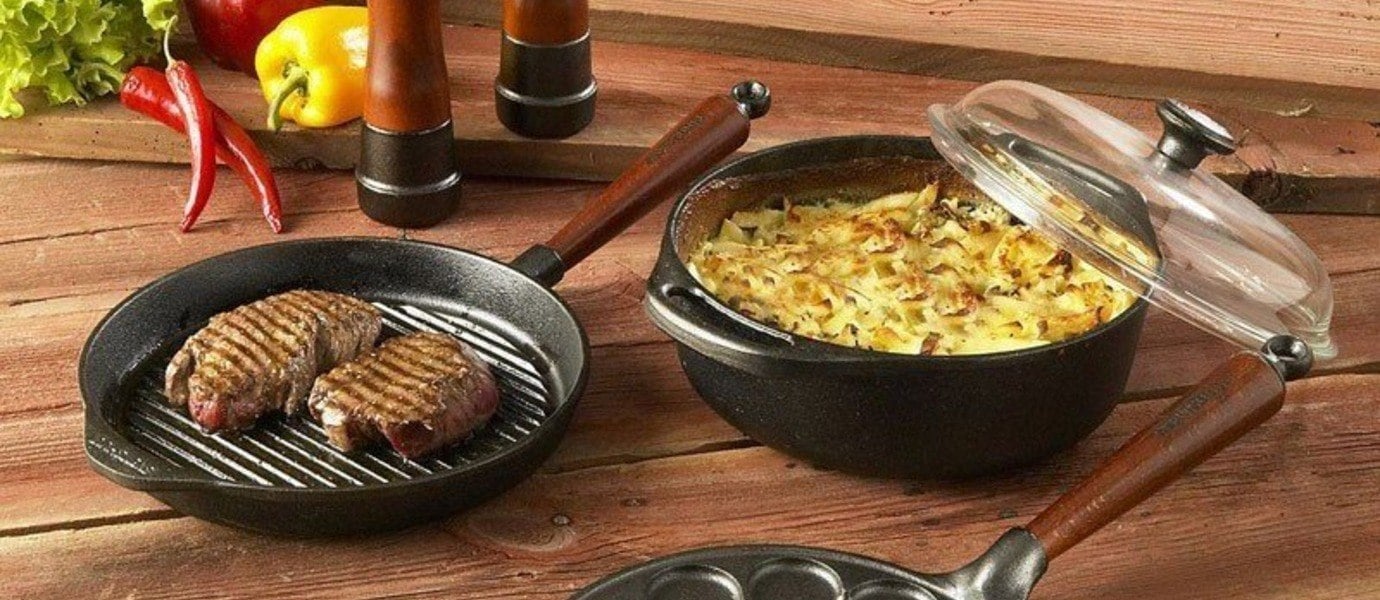

How long should you fry a steak? It all depends on the level of doneness you want to achieve.
- Rare – fry for 1-2 minutes on each side to get a bloody steak with a crispy crust and an almost raw interior.
- Medium rare – that is, a medium-rare steak; fry for 2-3 minutes on each side.
- Medium – fry for 3-5 minutes on each side to get a medium-cooked steak with firm and brownish meat.
- Well done – completely cooked meat throughout; to achieve this level of doneness, keep the steak in the pan for 6-8 minutes on each side.
Gently place a piece of meat on the heated fat. Once the steak is in the pan, do not move the meat. A crust must form on the surface of the steak to lock in the juices, flavour, and aroma inside the meat. Using tongs or a spatula, flip the steak to the other side. Do not pierce it with a fork, as the juices will escape, and the meat will lose its flavour.
The exact frying time depends on the type of beef. Fillet steaks will cook faster than sirloin or entrecôte steaks. You can check the level of doneness by pressing on the steak. The firmer the meat, the more well-done it is.
After frying, let the meat rest. Slice the steak with a good kitchen knife 5-10 minutes after taking it off the pan. This is enough time for the juices to distribute evenly throughout the piece, causing the fibres to relax. This will give the meat an even colour and make it tender and juicy.
Check it out!
As you can see, perfectly roasting meat and ideally frying a steak isn't such a tall order! You just need to follow our tips and stock up on high-quality meat roasting accessories, and every meat dish that comes out of your kitchen will be aromatic, golden on the outside, and tender and juicy on the inside.