Which cookware should I choose? What are the differences and which dishes come out best in them?
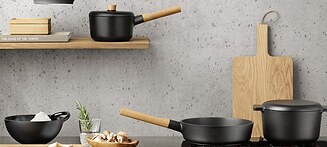
Sunday roast, delicious pasta or homemade soup - whatever your favourite, it is safe to say that there is no kitchen without pots. We can choose from steel, cast iron or even glass pots. Manufacturers outdo each other in proposing colours and shapes. What are the differences? Which type will work in our kitchen? What should we know before choosing them? What should we buy not regret our choice?
Stainless steel pots
Surely we all know them, but do we know everything about them? Let's go back to 1912, when a group of German engineers patented stainless steel. And this was by no means to create kitchen utensils out of it. It was first used to manufacture the hull of the yacht Germania.
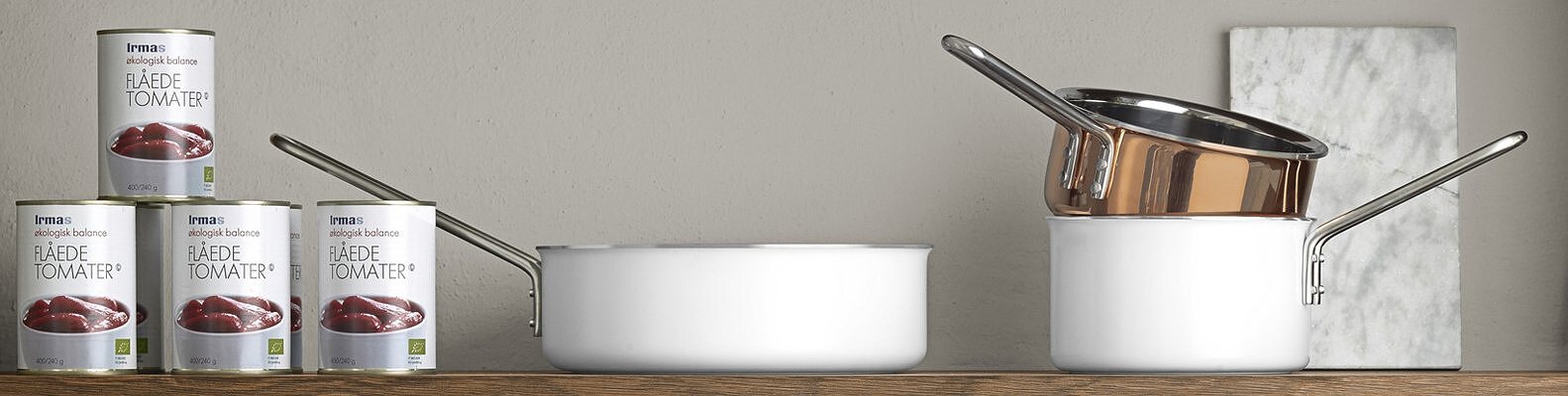
Today, pots and pans made of stainless steel delight our eyes. They are aesthetically pleasing, so they fit perfectly into the décor of any kitchen. Their durability is also a big advantage. They are not so easily damaged or deformed, so they usually stay at home for many years.
How can you tell if a cookware will not rust? Chromium-nickel steel is used for corrosion-resistant cookware. These elements must occur together in strictly defined proportions - 18% chromium and 10% nickel. It is the mysterious marking - 18/10 - on the bottom of the cookware that confirms its properties.
The cookware is particularly suitable for cooking soups and braising meat. They are suitable for all types of cookers, and if they do not have plastic parts, they can also be used in the oven - something that many love. They are dishwasher-safe, do not absorb odours and do not react with food. They have thick bottoms and walls, which means they retain heat for a long time. So do they have any disadvantages? Unfortunately, yes. As we already know, they contain nickel, which makes them unsuitable for people with allergies. They are also unsuitable for storing food, as this will develop a metallic taste over time. Dark stains may appear on their bottoms. These are not harmful and do not interfere with the use of the cookware, but they significantly affect its appearance. The pots are also quite heavy. Paradoxically, the high weight is also an advantage: The heavier the weight, the better the quality of the cookware.
Aluminium pots
Until a dozen or so years ago, these were the pots that reigned supreme in many kitchens - lightweight and inexpensive, aluminium pots conducted heat well, allowing favourite dishes to be prepared quickly. Food rarely burned in them and soups were ready in a flash. It is hard to believe that only a few centuries ago, this metal was more expensive than gold and available only to the rich. Today, many of us react with anxiety to the very word "aluminium" and wonder whether cookware made of it is really healthy. Aluminium cookware is coated with a special protective layer, making it completely safe to use. They are ideal for making soups, cooking pasta or potatoes for dinner. When buying them, pay attention to the lid - the tighter it fits, the more heat remains in the pot. Unfortunately, pots made of this material deform more easily than those made of steel, and their construction is quite delicate. They should not be placed in the dishwasher or the oven. They must also not be used on the hob.

Glass pots
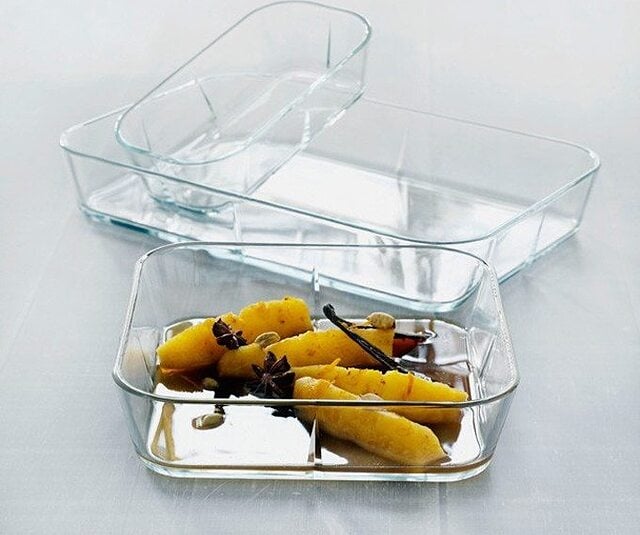
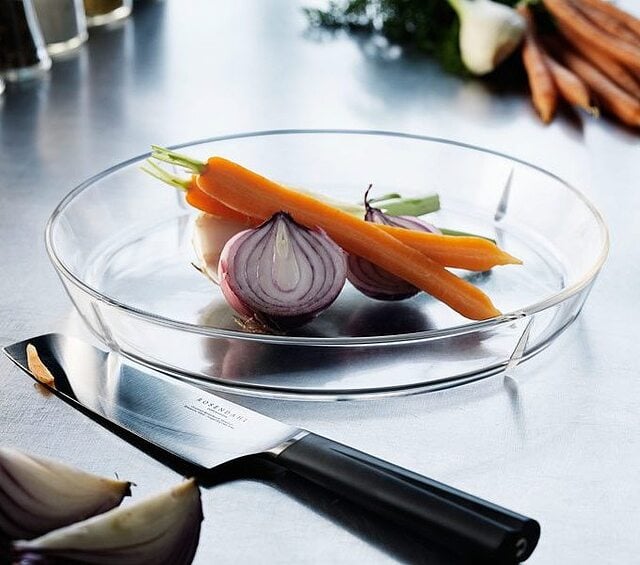
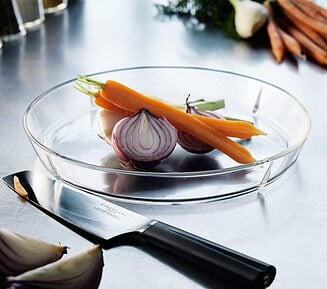
Glass pots will be of particular interest to lovers of kitchen novelties. Decorative and original, they will be a functional decoration for any kitchen. Preparing food in transparent pots makes cooking even more pleasant. Soup served in a transparent pot will certainly add variety to a family dinner. But their advantages do not end with the visual appeal. Above all, they are completely safe for people struggling with allergies. They are easy to clean and can also be washed in the dishwasher. Store food in them without fear - even in the freezer. They are suitable for cooking on gas, electric and ceramic cookers. They can also be used for oven dishes and heated in the microwave. Glass pots do not react with food, nor do they absorb the smell of food. The downside is that they are not suitable for induction hobs. Like anything made of glass, they are prone to damage or breakage. We also have to be careful because they get hot all over - the lid and handles too!


Traditional cast iron pots
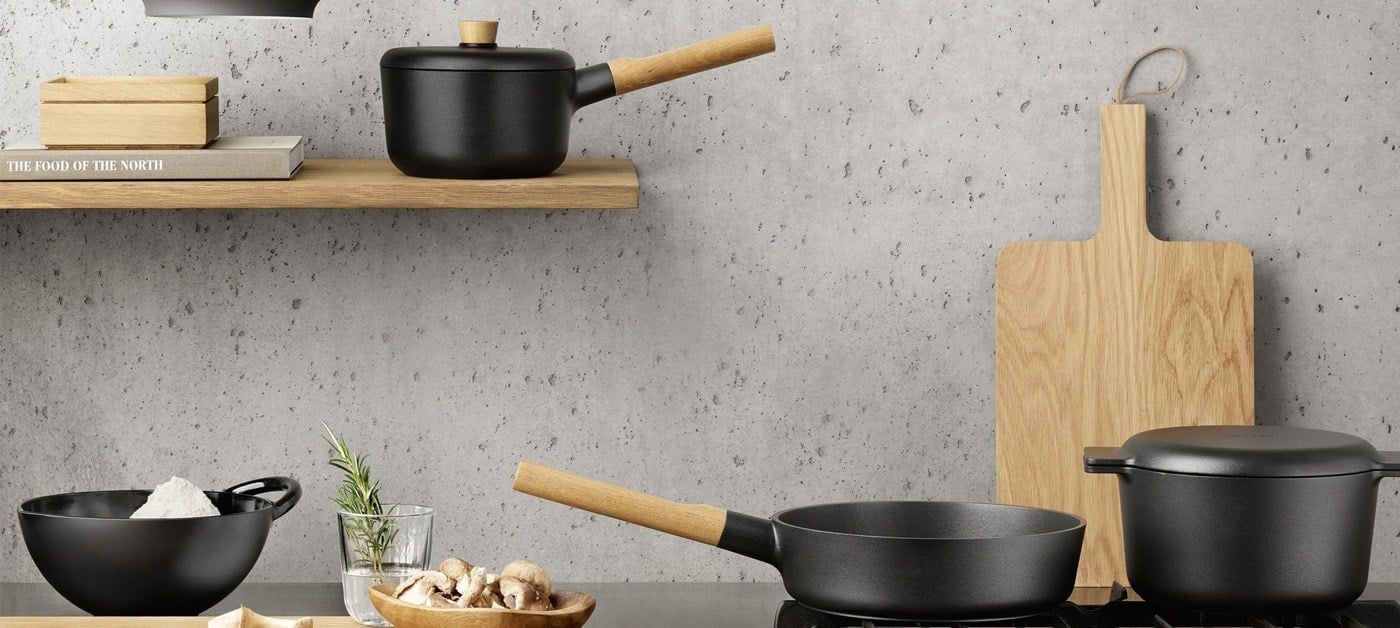
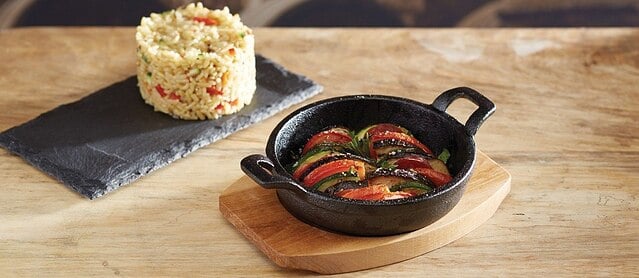
Cast iron is an alloy which contains natural raw materials, primarily iron and carbon. Due to its strength, it is used in a wide variety of applications. In many homes, we find cast iron radiators, bathtubs and even cookware. Pots and pans made of this material were already appreciated by our grandmothers. They are not among the cheapest, but their purchase is a long-term investment. They are robust and resistant to damage, although they also require special treatment. After each use, they should be wiped dry (not easy, due to their porous surface) and preserved with vegetable oil. These treatments will protect them from corrosion. Made of cast iron, the pots also have a fair weight, which may be a disadvantage for some users. They are unbeatable when it comes to preparing one-dish dishes, such as bigos or stews. They retain heat for hours, making them ideal for braising meat or preparing food in the oven. You can even bake a loaf of homemade bread in them.

Ceramic pots
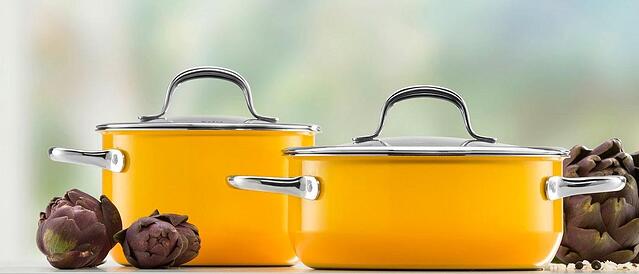
Ceramic is a natural raw material, which is why pots made entirely of ceramic, e.g. stoneware, or those with a ceramic coating are recommended for allergy sufferers. Ceramic has non-stick properties and is scratch- and corrosion-resistant. However, when buying ceramic-coated pots, such as those made by Silit, with Silargan, care should be taken whether they are suitable for induction cookers. Furthermore, it should be remembered that ceramic is not resistant to sudden changes in temperature, which is why stoneware pots and pans are best suited for baking. The advantage of this material is certainly the excellent heat distribution and insulation, so that a dish left in such a pot retains its high temperature for a long time. The appearance of ceramic pots is by far the most appealing and attractive - they are often colourful and are a definite decoration for the kitchen.
Good quality pots are already half of the culinary success. They will allow you to prepare tasty and healthy meals and at the same time enjoy the pleasure of cooking. So choose the cookware to suit your kitchen today.