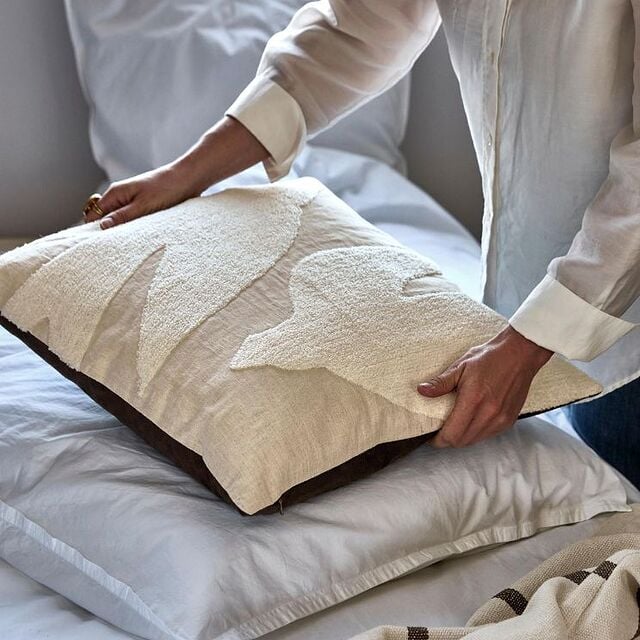
Softness is back in vogue, and it's not just a fleeting trend. In a world dominated by haste, screens, and an overload of stimuli, we increasingly long for interiors that not only look good but genuinely improve our well-being. Hence the rising popularity of chubby and chunky styles – aesthetics based on roundness, oversizing, and sensual comfort. This is design that works on the body and emotions: it calms, envelops, and provides a sense of security.
Chubby and Chunky Style – The Trend You'll Want to Hug
Softness is making a comeback – and it's not just a fleeting trend. In a world dominated by haste, screens, and an overload of stimuli, we increasingly long for interiors that not only look good but genuinely improve our well-being (we've already touched on this in our article on comfortable interiors here). Hence the rising popularity of chubby and chunky styles – aesthetics based on roundness, oversizing, and sensual comfort. This is design that works on the body and emotions: it calms, envelops, and provides a sense of security.
While both trends are often lumped together, they differ in character and temperament. In this article, I'll take a closer look at them, explain why they have such a strong impact on us, and how to introduce them into interiors consciously, without chaos or haphazard decisions.
Chubby and Chunky Design and Current Trends: Dopamine and the Joy of Touch
Increasingly, in the world of design, there's talk of creating spaces that act like a shot of good mood – first dopamine design and color drenching, and now, more distinctly, chubby and chunky styles in interiors. Where does the popularity of these trends come from? Interiors full of bold shapes, saturated colors, and unusual proportions are not just a stylist's whim, but an expression of an authentic need for joy and sensory richness in our homes.




What exactly do 'chunky' and 'chubby' mean?
In trends, you'll encounter terms like chunky (massive), chubby (plump, 'on the heavier side'), or plump design (round, bulging). All of them celebrate roundness and oversizing, and eschew sharp edges. The difference, however, lies in the character of the form. It's worth drawing a line right away: chubby and chunky are not the same thing. They share a common base (roundness, soft forms, lack of sharp edges), but they differ in temperament.
Chubby is more joyful, 'plump', playful, colorful – closer to dopamine-induced pleasure.
Chunky is more massive, 'concrete', visually heavier – often calmer and monumental.
Before we delve into the details, let's look at the basic characteristics of both these styles:
Basic characteristics of the chubby style
round, plump, soft forms with a 'bulging' character
sculptural shapes resembling forms molded from clay
pronounced play with proportion and slight exaggeration of shapes
frequent use of color: pastels, burgundy, russets, butter yellow, pistachio
gloss and glaze (especially in ceramics and accessories)
aesthetics close to dopamine design – joy, lightness, pleasure
soft materials: bouclé, velour, plush, deeply textured fabrics
accessories that 'make the interior' even without a function (e.g., a vase without flowers)
friendly, playful character – design that brings a smile to your face
focus on senses and emotions, not on the rigor of form
Basic characteristics of the chunky style
massive, visually heavier forms with a calm character
oversized forms with distinct weight and stability
thick tabletops, wide bases, solid constructions
less emphasis on color, more on material and texture
natural materials: wood, stone, ceramics, resin
pronounced 'substantiality' of forms, but without playfulness
lack of sharp edges, but a more compact, monumental form
grounding, soothing aesthetics, providing a sense of security
furniture and accessories that build durability and visual balance
design 'for years', not a seasonal accent
This is an important distinction, because it allows you to decide whether you want to invite dopamine joy (chubby) or grounding calm (chunky) into your home – you can also create a mix, but choose consciously.
Why does it work? The psychology of roundness
Human brains are psychologically 'programmed' to prefer gentle, rounded forms – our subconscious associates them with safety, tranquility, and nature. In contrast, sharp, angular shapes can evoke an uneasy vigilance, signaling potential threat.
Curves affect us like the warm light of a sunset: they calm and attract. Research shows that rounded shapes reduce visual stress and activate reward centers in the brain. The absence of sharp edges signifies harmony and solace for our psyche.
That's why sofas without visible legs, thickly woven fabrics, or plump vases not only please the eye – they genuinely reduce tension, help regenerate attention after hours spent in front of a screen, and create a space you won't want to leave.
In a world dominated by digital stimuli, designers are increasingly embracing elements that engage touch and other senses. Dopamine design, chubby, and chunky styles are a response to the need for creating interiors that not only look good but genuinely improve well-being.
Designers 'play' with our sense of touch and perception, creating forms that can be called therapy for the senses. The cozy texture of plush, the rounded back of an armchair embracing your back, the warm weight of thick ceramics in your hand – all this builds an emotional connection with the space.
The chunky style provides a sense of stability and grounding. The chubby style brings more joy, softness, and visual lightness. Both approaches are not mutually exclusive – they often coexist in one interior, complementing each other.






Chubby and chunky styles, and the substantiality of textures
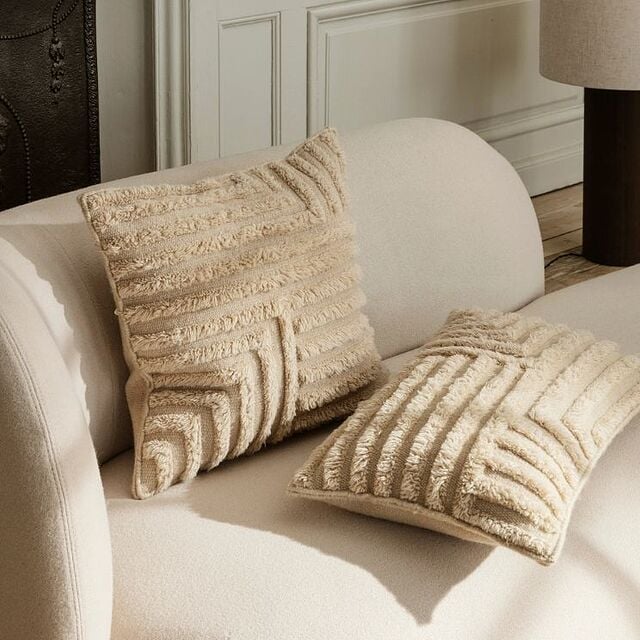
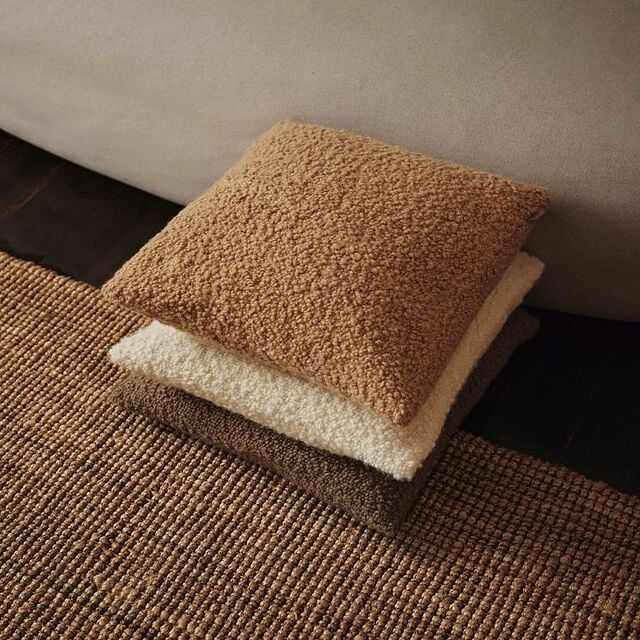
It's not just about shape, but also about what we feel under our fingertips. The chubby style loves fabrics with 'depth' – plushes, velours, soft velvets, or the now iconic bouclé fabric, which conquered the design world precisely because of its cozy character. These fabrics create a soft, enveloping, and safe atmosphere in the interior.
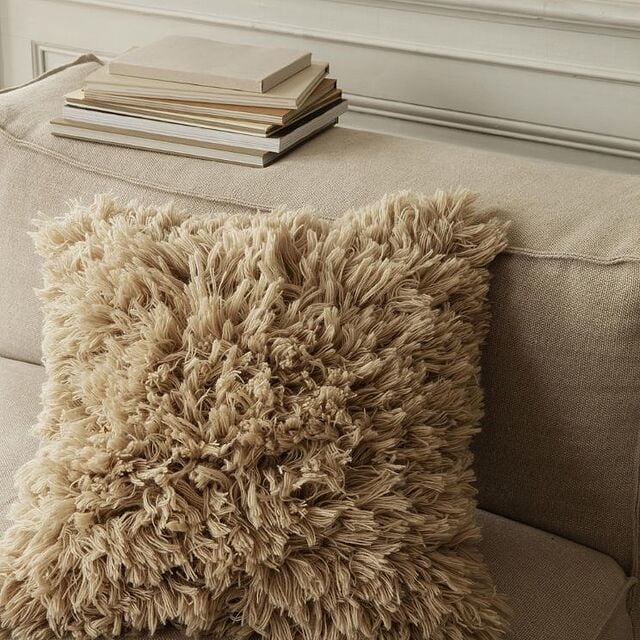
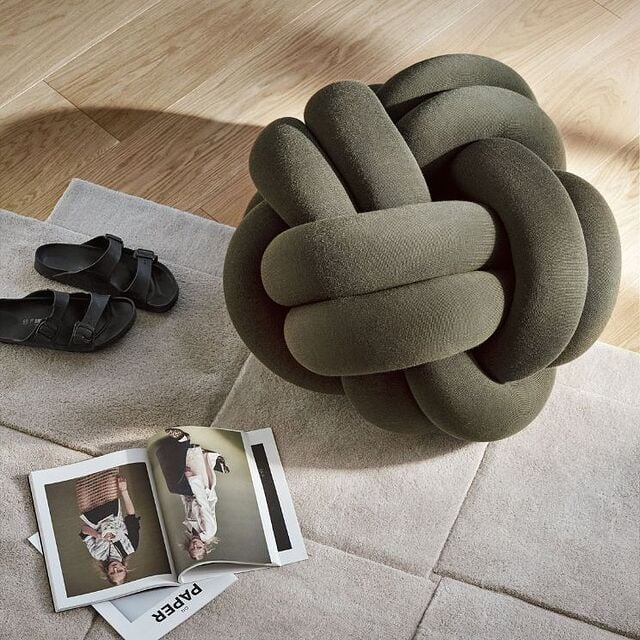
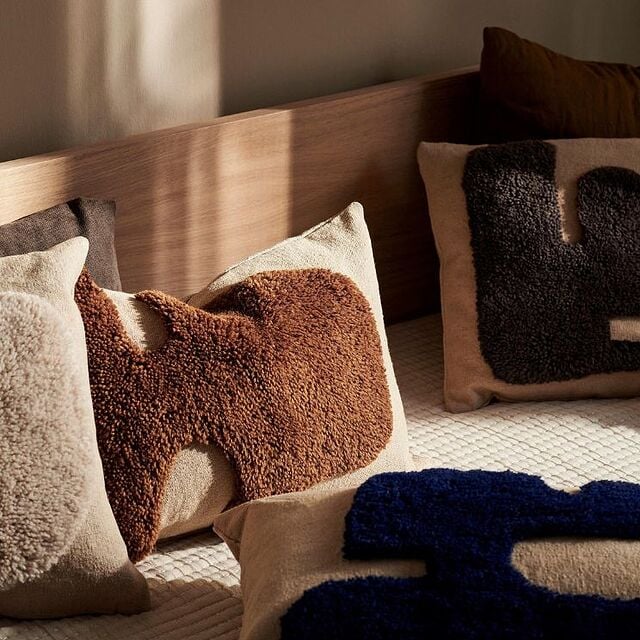
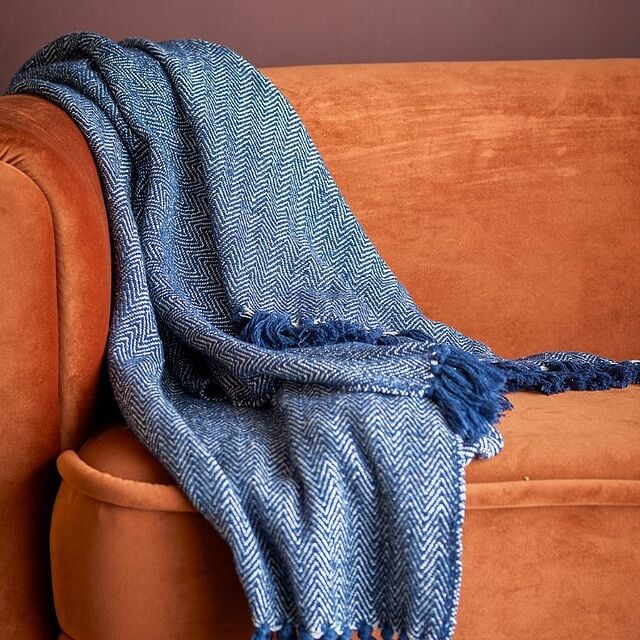
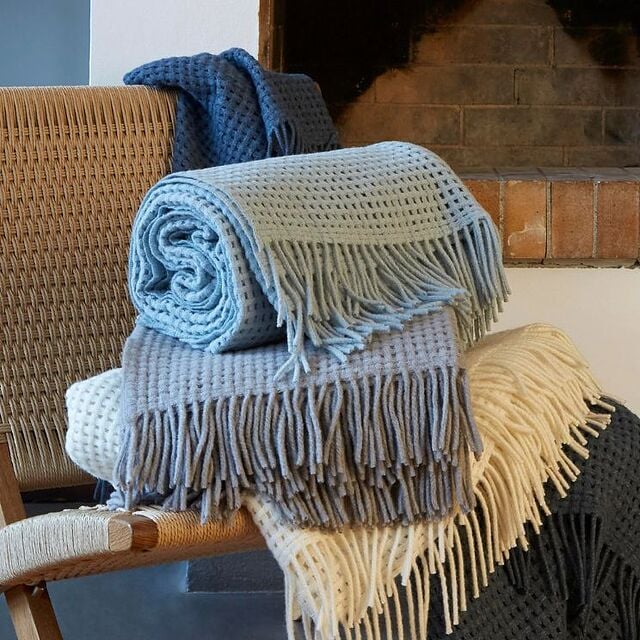
Then there are spectacular chunky knits, which are blankets made of thickly woven roving wool, just begging to be snuggled into on a chilly evening. Plush, high-pile rugs, heavy velour curtains, or cushions with furry pile – all these rich textures enhance the feeling of softness in the space. In the chubby style, touch is as important as sight, and perhaps even more so.
This is good news: to 'catch' the chubby vibe, you don't have to change your entire sofa right away. Sometimes, one strong, 'tactile' accent is enough: cushions, a throw made of a fabric with a distinct, substantial texture, or a rug.
Chubby loves fabrics you want to touch: bouclé, plushes, velours, soft velvets. Thick, looped textures create a cozy, enveloping atmosphere. Add to that plush high-pile rugs, furry cushions, and textiles that visually have 'volume'.
Chunky uses texture differently: thick weaves (chunky knits), heavier upholstery fabrics, natural wood, stone, ceramics, or resin. Here, the impression of solidity and durability is more important than playfulness.






Furniture and accessories in the chubby and chunky trend
Importantly, despite their distinct character, both chunky and chubby styles are surprisingly versatile. One well-chosen element can transform the character of a room, introducing a soft statement – a gentle, dominant form that doesn't overwhelm but sets the tone. Both styles remain practical: generously sized sofas and armchairs are not just sculptures to admire, but are primarily designed for the comfort of everyday life. How does this philosophy translate into specific decor elements?
Sofas and armchairs in chubby and chunky style – roundness and stockiness that make sense
Upholstered furniture is the foundation of this style.
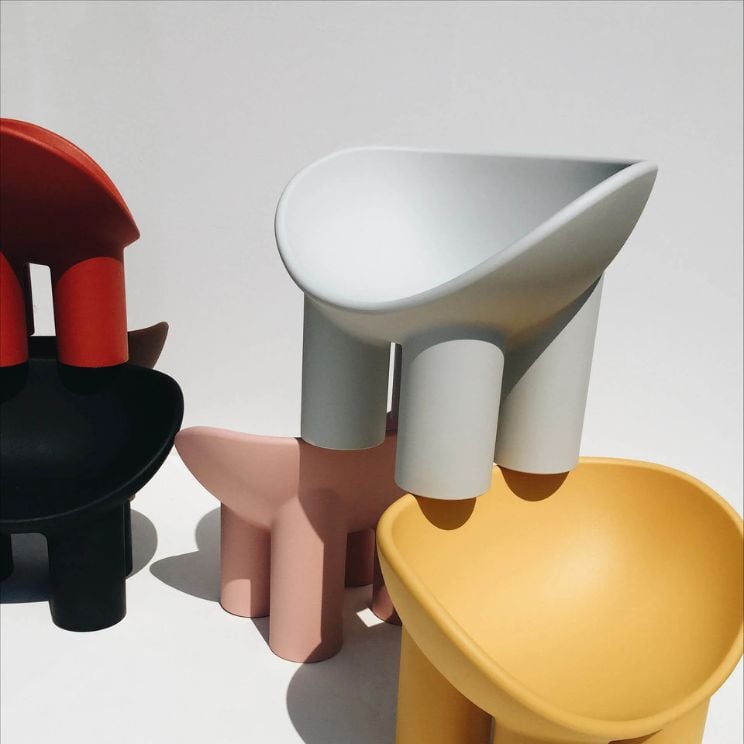
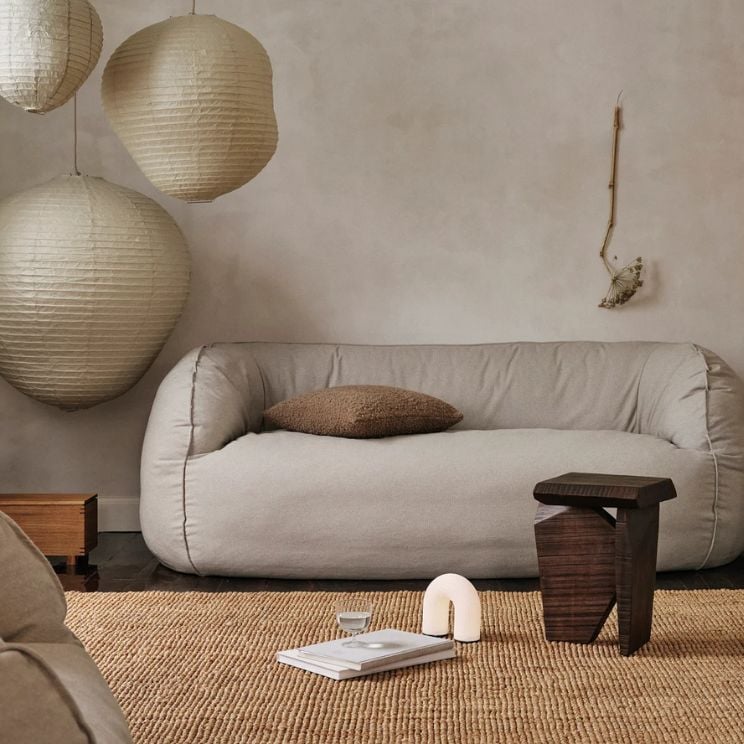
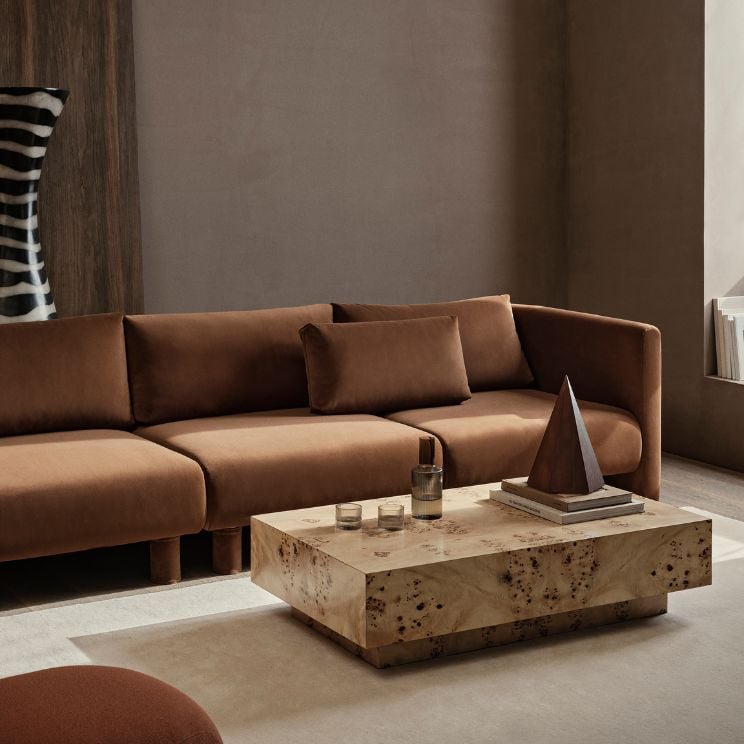
Sofas and armchairs in the chunky aesthetic are massive, often low-slung – almost 'poured' onto the floor. Chunky means 'settled' forms: low-set, without visible legs, wide, stable. The form is more compact, visually heavier, often in calmer colors. These pieces of furniture have rounded backs and armrests that flow seamlessly into the seats, making the furniture look like one continuous cloud. Although they take up a lot of space and make a huge visual impression, they are by no means clunky. Quite the opposite – they invite you to immerse yourself completely. Chunky acts as an anchor for the interior – it gives the impression that everything is in its place. This comfort is more grounding than playful.

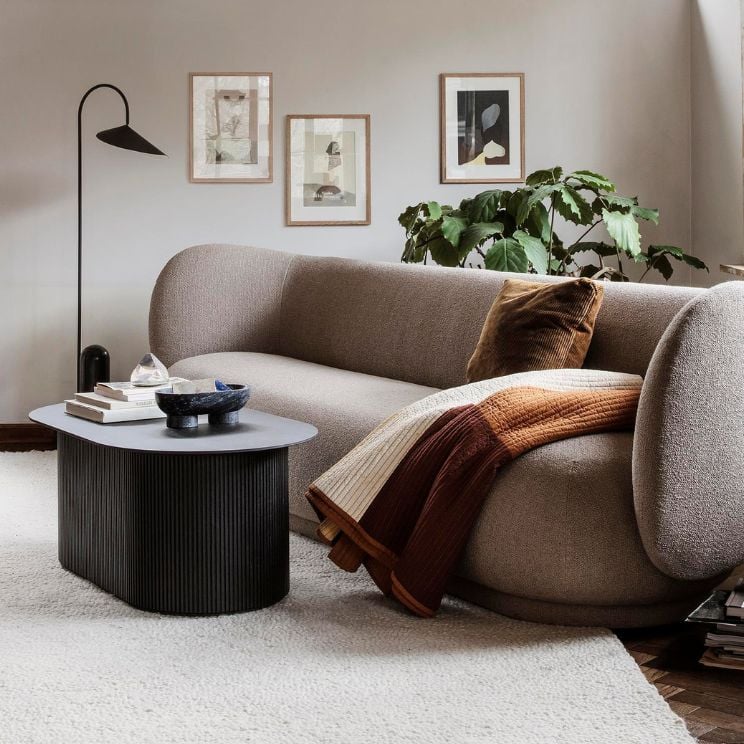


Chubby in upholstered furniture is a form that is more 'plump' than monumental: rounded armrests, bulging shapes, sometimes even 'inflated' proportions. Chubby loves color: burgundies, butter yellow, pistachio, russets, pastels. Gloss often appears in details or a stronger, dopamine-inducing palette. These are pieces of furniture that bring joy and lightness to the interior, even if they are large. Bold colors further emphasize their soft form and turn them into modern home sculptures. In living rooms, such 'settled' sofas and armchairs often become the central point of the arrangement. This trend clearly leans towards oversize – furniture must be sprawling, and 'oversized' seats dominate the space.
Forecasts for 2026 predict that large, rounded sofas and armchairs will take over interiors, becoming not only a place to sit but also a style statement: a form of functional sculpture in the room. Importantly, with all this grandeur, the emphasis is still on comfort – these large sofas are not just for admiring, they serve the body. Just a few soft cushions and the right arrangement can turn a huge corner sofa into the most beloved spot in the house.
A small practical note: chubby and chunky furniture 'sings' best when you give it some space. This is not a trend that likes to cram all the pieces together – it works best when there's one striking hero in the room.


Chubby and chunky and coffee tables: solid and substantial.
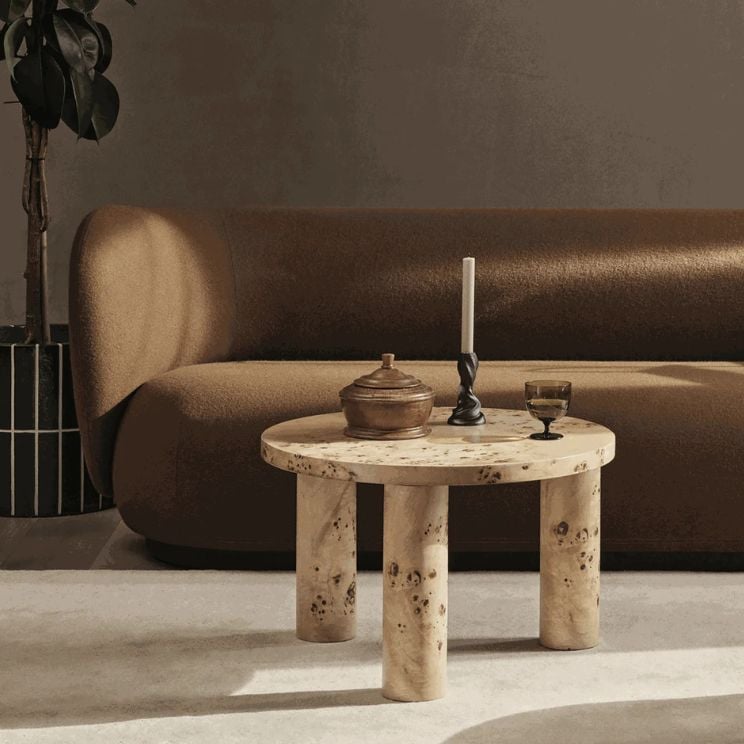
Coffee tables take the form of heavy blocks – often cylinders, cubes, or low cuboids with rounded edges. The legs of dining tables are thick and strong, sometimes as wide as half the tabletop. The whole gives an impression of solidity and durability. These are pieces of furniture you're not afraid to touch or use intensively – they exude stability like boulders in a home landscape.
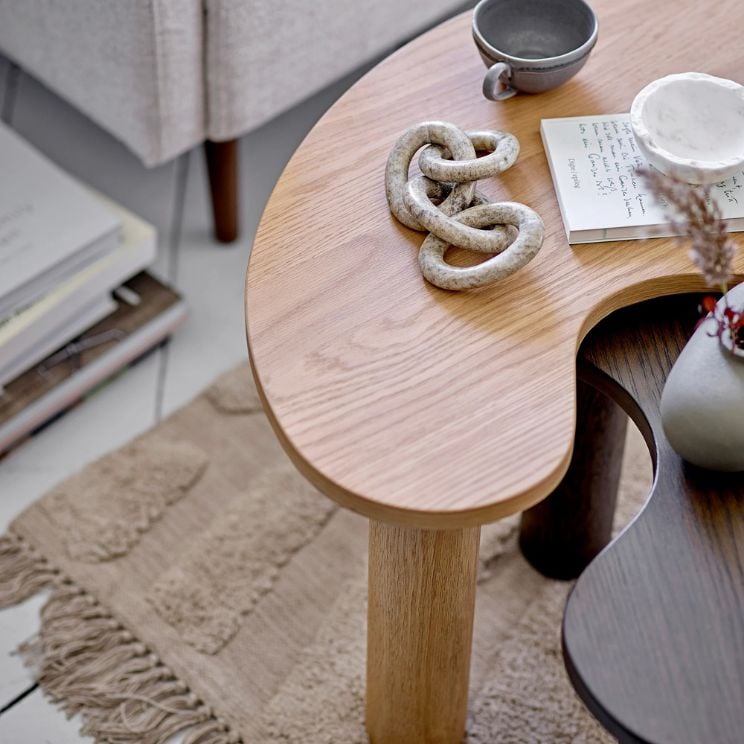
At the same time, designers ensure that these forms don't overwhelm. Often, there's an element of playing with proportions (e.g., a very wide, plump leg and a relatively thin, rounded top) – this adds optical lightness.
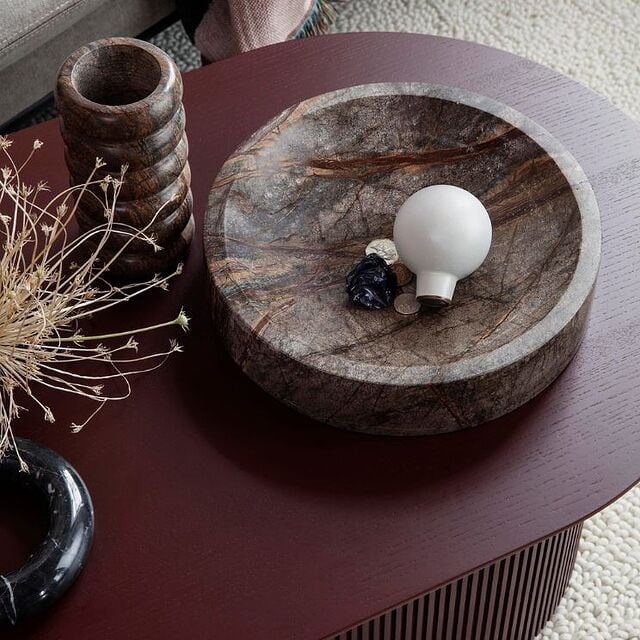
Materials are also important: natural wood with distinct grain, stone with rounded edges, ceramics, or resin. All of this adds a pleasant visual weight to the interior – we feel surrounded by durable, 'grounding' objects. Such a solid coffee table or console is the antithesis of the delicate furniture of past years; it's more like a welcoming companion where you can sit, rest a cup of tea, and feel 'at home'.
It's also good to remember that this 'grounding' works wonderfully in tandem with soft textiles – a massive table and a fluffy rug are a quick recipe for a chubby vibe.
Chubby style tables: exaggeration and soft lines. Chubby in tables is all about playing with proportion. There's no room for delicate, openwork legs and fragile forms: a plump leg, rounded edges, sometimes gloss, lacquer, ceramics. Instead of an 'architectural' construction, a sculptural form appears, which has something light and humorous about it. These tables often act as a decorative accent – even before you place a book on them.
Chunky style tables: solid substance and visual weight. The chunky style aims to create an impression of 'thickness' and visual heaviness, but also friendliness. It's the opposite of delicate furniture – it's meant to be 'for years' and build a sense of calm in the home. Chunky means cylinders, cubes, low forms with significant mass: thick tops, wide bases, stone, wood with strong grain, resin.





Ceramics and accessories in chubby and chunky style
The trend for chubby and chunky design has also transformed smaller decor elements.
Chunky in accessories means thickened walls, solidity, thick rims, objects that feel substantial in the hand. Chunky ceramics – that is, ceramics with deliberately thickened walls and rounded shapes – have been a sensation for several years now. How do you know you're holding a chunky style mug? It's heavier, thicker, its rim is rounded and pleasantly blunt – you just want to cup it in your hands. Here, it's not about sparkle and humor, but more about 'substance': the object should look durable and well-made.
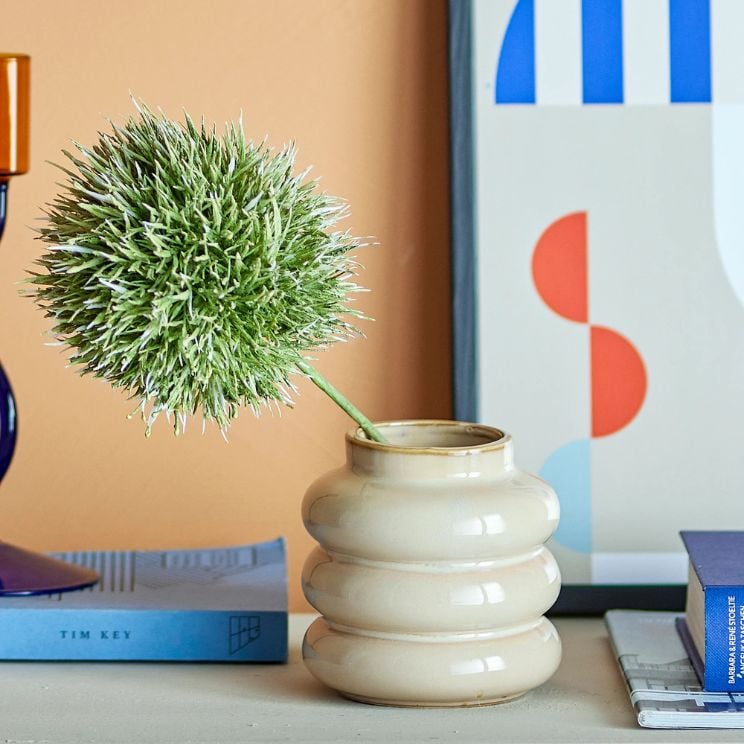
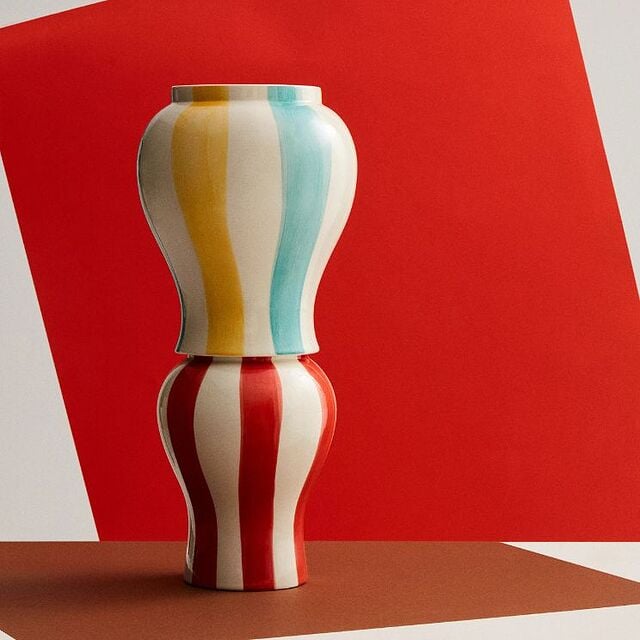
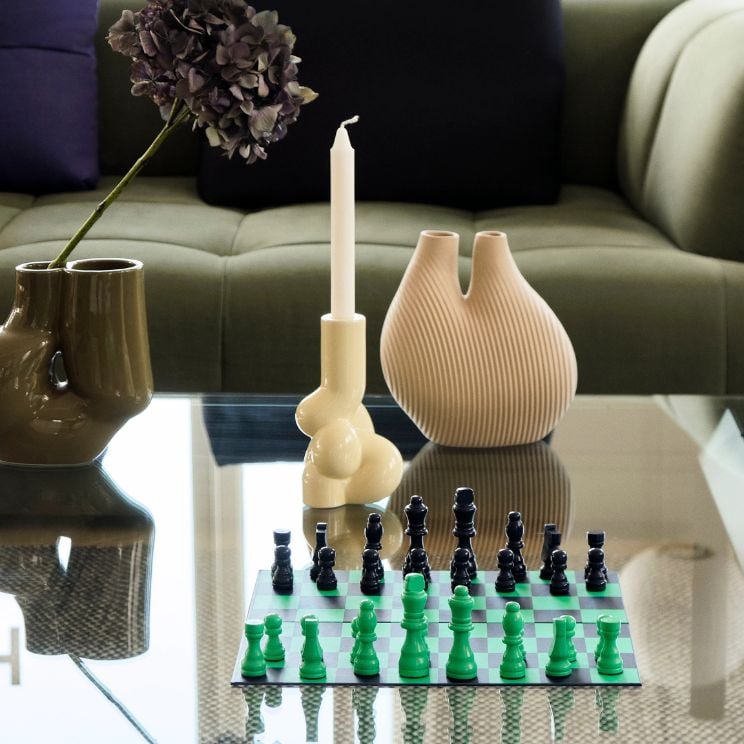
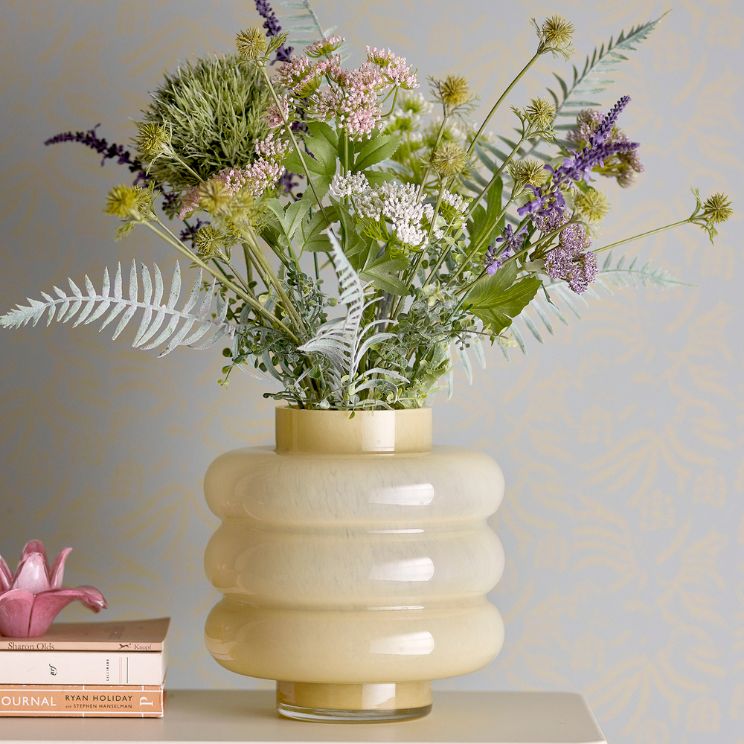
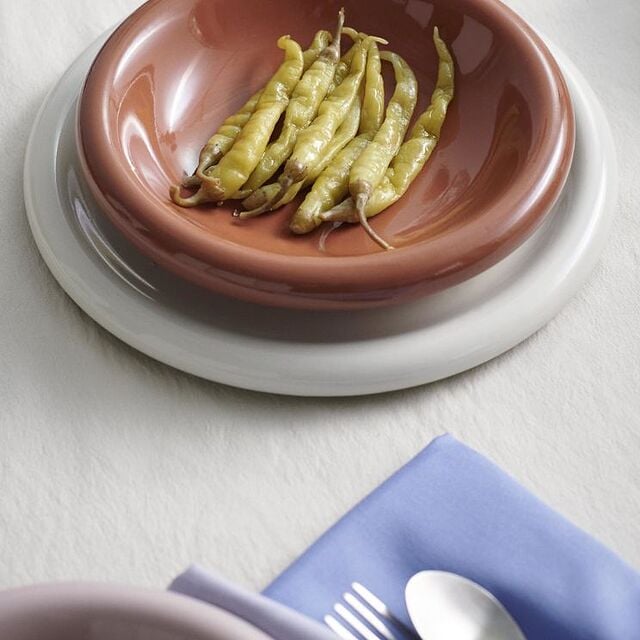
In chubby style accessories, on the other hand, exaggeration, gloss, and color reign supreme. Ceramic vases or candle holders in this aesthetic are often covered with a shiny glaze. The smooth, mirrored surface beautifully reflects light, adding even more 'juiciness' to the form. Ceramic and glass accessories in the chubby style often have consciously exaggerated proportions (e.g., a small opening and a large, rounded 'belly' or a comically oversized handle on a cup), which gives them a playful character. Plump vases with irregular, organic forms adorn dressers and tables even without flowers – they are decorations in themselves. These objects aim to attract attention with their texture and shape, rather than intricate embellishment.
Here, it's very easy to build a layering effect: one rounded, glossy object plus another with a matte surface, and on top of that, quality textiles. Chubby likes it when the interior invites touching, stroking, hugging.




My favorites in chubby style
If you're keen to introduce a chubby vibe into your interior in practice, without a complete overhaul and replacing all your furnishings, it's worth starting with individual, striking pieces. The chubby style works wonderfully in accessories and details – they are the easiest way to bring softness, joy, and sensuality into a space.
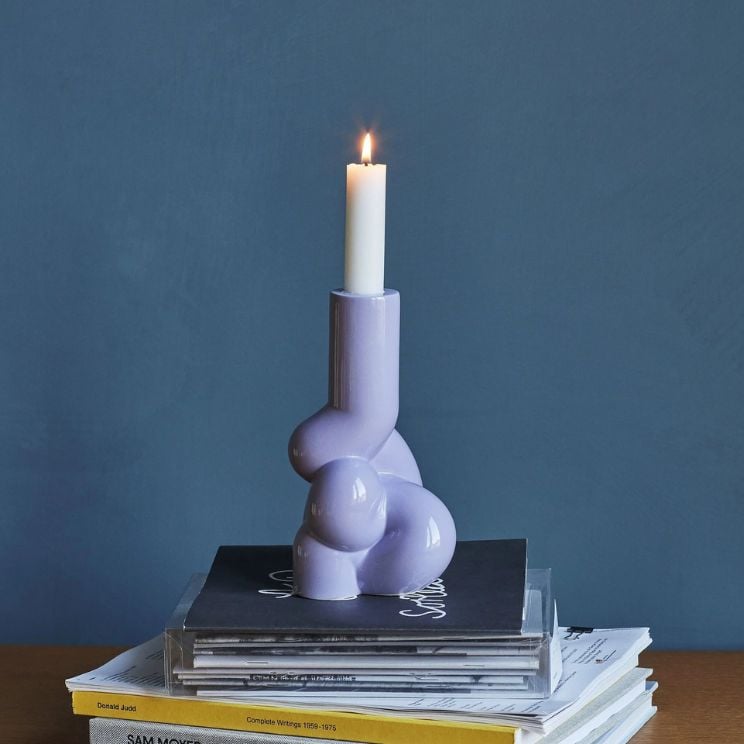
W&S Soft Candle Holder by HAY – the fireplace star
This small work of art from the collection designed by the duo Wang & Söderström proves that an everyday object can also bring a smile to your face. The form of the candle holder is playful, organic – it looks as if someone squeezed the shape from a tube of oil paint or molded it from colorful playdough. We have pastel shades here (e.g., the 'soft yellow' version is a warm cream), rounded bulges, and a flowing line – zero symmetry or boredom. There's something of childlike joy in it, but presented in a very refined, designer edition.
How to display it? There are two ways. You can place it on a classic fireplace or dresser – against a subdued background, this exaggerated shape and vibrant color will immediately catch the eye, making the candle holder the star of the arrangement. But it will also fit perfectly in the center of a table among colorful plates and glasses – it will be a playful accent in a joyful, family setting. Despite its small size, the Soft candle holder brings a large dose of character. It has a glossy glaze that beautifully reflects the candle flame in the evening. It's proof that design can be both artistic and cozy – because although extravagant in appearance, it ultimately serves to create a warm, homely atmosphere.
W&S Chubby Vase by HAY – shine and form
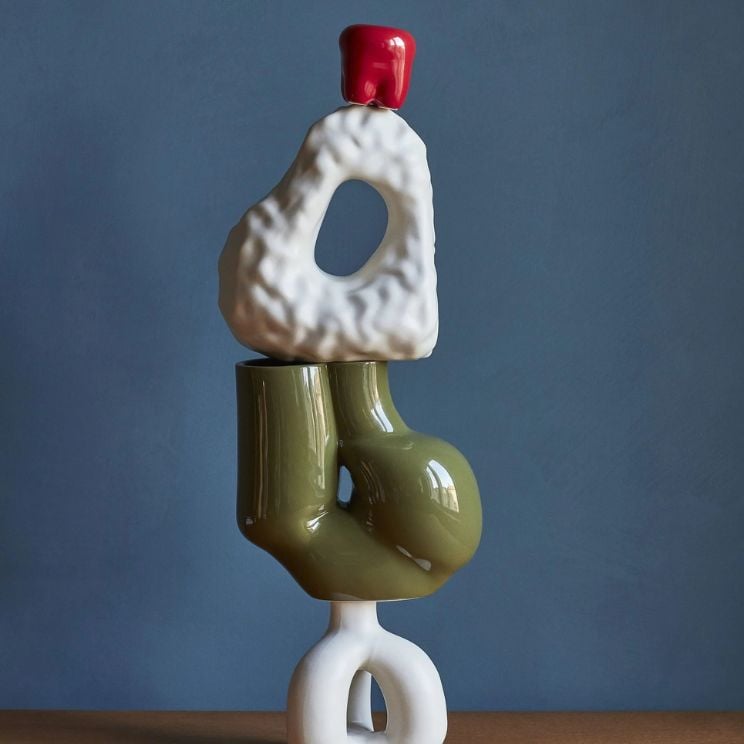
Another representative of the 'plump' family from HAY, which shows that a vase doesn't need flowers to make an interior. Its form is a plump, sculptural interpretation of the chubby style. The Chubby vase looks as if it was hand-formed from wet clay, then covered with a mirrored layer of olive green or soft yellow (depending on the color version). This shiny, glassy surface, paired with the asymmetrical shape, makes it hard to take your eyes off it. It's a concrete and expressive object – it adds character to the interior by its very existence.
Place it on an empty console, on a windowsill, or on a dresser in the living room, and you'll see that the space immediately gains 'that something'. The W&S Chubby vase fits perfectly both in an environment of simple forms (as a main accent) and in the company of other unusual decorations, building a collection of small home sculptures. And although it's 'just' an accessory, it carries the entire philosophy of the chubby style: it's fun, sensual, and a little surprising – ideal for delighting the eye every day.
Kink Vase by Muuto – sculpture with everyday use
The Kink vase by Muuto is a contemporary interpretation of the archetypal flower vase, where traditional craftsmanship meets a playful, sculptural language of form. Its distinctive, double opening gives it a striking, almost architectural shape that acts as an artistic object in the space – even when the vase stands empty.
The soft, rounded line and subtle oversizing of the form perfectly fit the chubby aesthetic: it's an object that doesn't aggressively dominate, but attracts attention with its 'plumpness' and calm presence. The satin glaze gives the surface a subtle, velvety touch and emphasizes the contemporary character of the design, encouraging interaction.
Available in two sizes, the Kink Vase works both as a sculptural accent on a dresser or table and as a functional flower vase. It's an example of chubby design that combines aesthetic pleasure with everyday use – an object beautiful even when it 'does nothing'. You can read more about this design in our article on Muuto vases here.




Chubby and chunky style – from foam revolution to home oasis
Although the chunky/chubby style seems fresh now, its roots go back to the wild 60s and 70s in Italy – a period of a true foam revolution in furniture making. The invention of flexible polyurethane foam allowed designers to abandon rigid wooden frames, springs, and horsehair in favor of new materials that offered unprecedented freedom of form.
Instead of the 'language of reason' (i.e., pure function), the 'language of emotion' was embraced – furniture could finally take on soft, organic shapes that adapted to the body. Design icons emerged that still ignite the imagination of collectors: the Up5 armchair with Up6 footrest by Gaetano Pesce (1969) – shaped to resemble a female silhouette, known as 'Big Mama', and the Soriana sofa by the duo Afra & Tobia Scarpa, looking like a huge fluffy mass of fabric compressed by a metal clamp. Designed in 1969 for Cassina, it became a symbol of free, informal comfort and was awarded the Compasso d'Oro for its innovative use of new foam molding techniques.



Sculptures for living, not just for looking
Why, then, has the plump style returned to us now, with such force? The answer lies in our contemporary needs. In a world overloaded with stimuli, immersed in the cold blue glow of screens, the home has grown into a personal sanctuary. We seek in it the possibility to pause and quiet down. Arrangements full of rounded, soft shapes subconsciously associate with safety – the lack of sharp edges signals that nothing here will harm us.
Plump furniture literally 'sweetens' the space, making it our refuge from everyday life. After years of minimalist dominance, people are turning to forms that are 'softer and more human'. These rounded silhouettes with generous proportions create a sense of warmth and ease that more angular styles cannot provide. In a world full of haste, the true luxury today is depth of experience, not superficial glitz. Chubby design responds precisely to this need – it offers the luxury of tranquility. We are talking about objects that are not a one-season fad, but investments in quality of life. Rounded sofas, massive tables, or heavy, solid vases are timeless elements – they create a lasting language for our space, instead of just momentarily catching the eye.
Chubby style is not another fleeting trend from a catalog, but a strategy for designing everyday life. It's a philosophy where we surround ourselves with objects that affect our emotions and senses, encouraging interaction and co-creating the home atmosphere. Furniture and decorations cease to play the role of an anonymous background – they become companions in our daily rituals, together creating the atmosphere of home.
So let's not be afraid of furniture that looks like it wants to… hug us. After years of austere modernity, we are rediscovering that softness is not a whim, but a luxury of the 21st century. When true comfort becomes a scarce commodity, chunky and chubby style emerges as an answer to the desire for spaces that serve us, not just look pretty.
Chubby design is design for the senses, heart, and mind. It's the belief that a home shouldn't just look beautiful – it should welcome us with softness and tranquility every day. Because isn't the real luxury today to truly feel good in your own home?