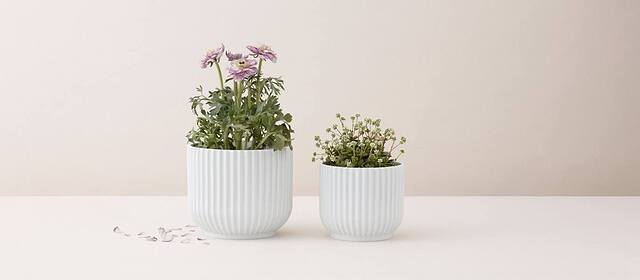
Have you ever admired a beautiful garden someone created under their own roof? Then you glanced at a lonely cactus on your kitchen windowsill, thinking, 'What a faff those plants are!' But what if we proved to you that caring for an indoor garden isn't that difficult after all? See for yourself.
We've already touched upon why potted plants can be described as the "green lungs of the home" in a previous Magazine. In an article titled Green lungs of the home - take care of the greenery under your roof, we listed the most important advantages of having live plants in your surroundings.
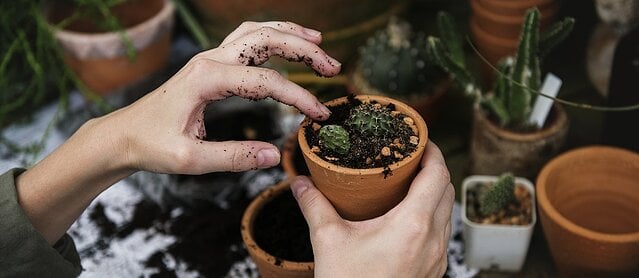
In this Magazine, we've outlined the basics of potted plant care, a set of rules you need to follow to ensure your indoor greenery flourishes and feels right at home. Don't fret, there are only a handful! And the effort you put into looking after your plants will pay off handsomely.
Who knows, maybe caring for potted plants will become your new hobby? :)

New Arrivals 2020
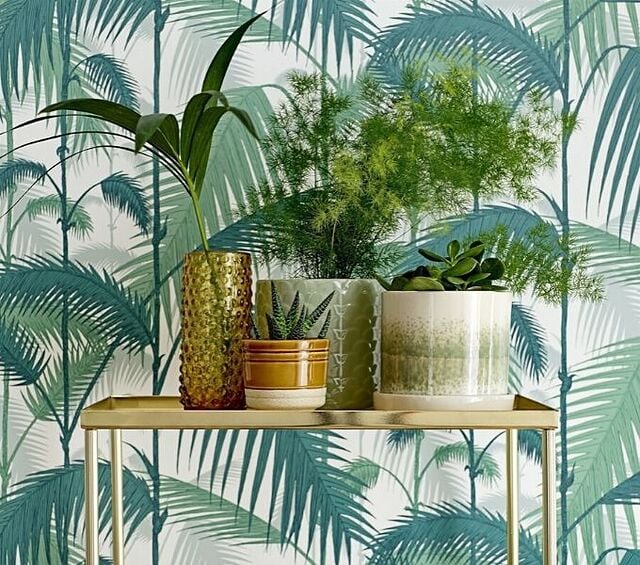


A Pot that Fits the Bill
It's often the case with pots, just like with clothes, that they turn out to be too small once you get them home. That's why it's better to choose a pot that's too big rather than too 'snug'. The ideal pot is one that meets the following conditions:
- It visually complements your interior design,
- It's made from a material that guarantees stability, such as ceramic pots, metal pots,
- It's as light as possible and resistant to mechanical damage.
For pots kept outdoors all year round, you should check if they are resistant to frost, rain, and discoloration caused by sunlight – you'll find just such in our balcony pots.
Rule No. 1
It's better to choose a pot that's too big rather than too small :) Remember that the plant should be potted directly into a pot with drainage. You can then place it into a decorative pot cover.
LECA, the friend of plants and gardeners
Light? Present and Accounted For!
We all know that for plants, light = life, but not everyone remembers why from biology lessons (no judgment here, mind you!). For a plant to live and thrive, it must carry out photosynthesis, which is the conversion of carbon dioxide into nutrients that give it energy.
Rule No. 1
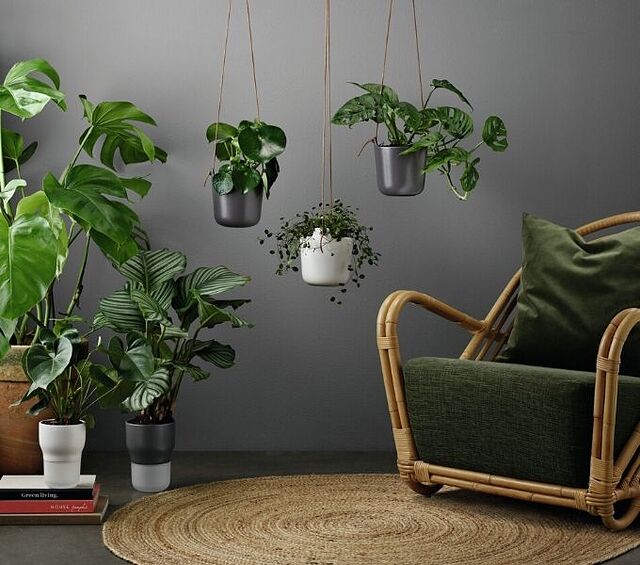
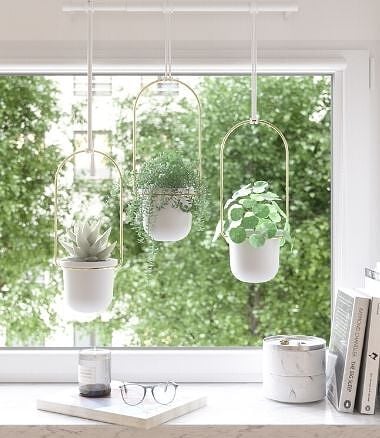
Light isn't a fancy extra; it's an absolute must-have! Plants might be forgotten, or even relegated to a corner... but that corner can't be too dark. Hanging pots are a good solution, as they have access to more light.
Plants that chose the dark side of the force



Water, Queen of Life
Plants need water to live.
Well, that's obvious, why write about it...
So why do we so often find a dried-up plant behind the curtain or on top of a wardrobe?
Yes, plants need water to live just like fish. Everyone knows this, but not everyone remembers. And that's probably the problem. So, regarding the second rule of plant care...
Rule No. 2
Make a list of the plants you have at home, create a watering schedule for each, and stick it on the fridge. Sounds complicated? Perhaps, so it's better to show an example :) Our proposed table:
| Monday | Tuesday | Wednesday | Thursday | Friday | Saturday | Sunday | |
| Plant 1 (e.g., living room palm) | x | x | |||||
| Plant 2 | x | ||||||
| Plant 3 | x | x | |||||
| Plant 4 | x | x | x |
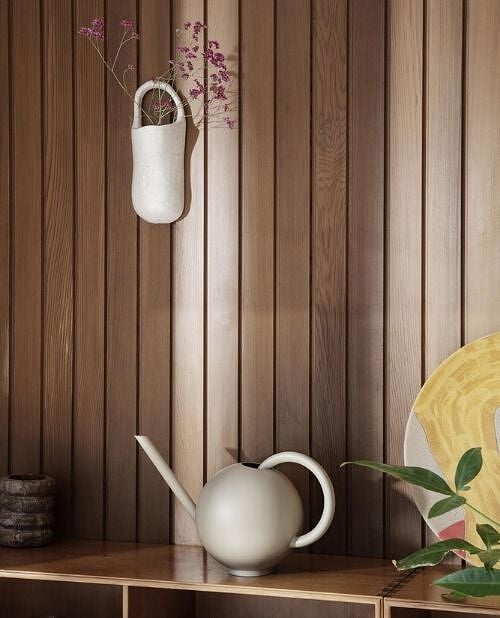
One small table, such a massive help! No more endless doubts like, "Has the living room palm been watered this week? And that white orchid in the kitchen, when did it last get a drink?" With such a schedule in plain sight, you'll forget about... forgetting. Treat yourself to a lovely watering can to make watering a joyous task
For the Incorrigible





For the Lazy Bones
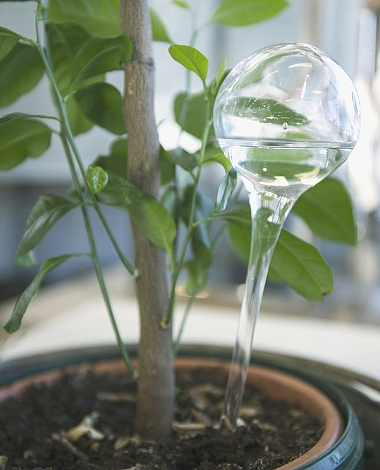
If you've managed to reach the end of this Magazine and still aren't convinced about starting your own indoor plant cultivation, give us one last chance. We have a real treat for you... self-watering pots.

We also have a solution for those who are maximally practical and believe that having huge pots with ornamental palms at home is simply a waste of space. Smart mini-gardens are the answer for those who value modern technology in the service of everyday needs. Grow a herb garden on your kitchen windowsill, so fresh basil, thyme, or mint are always at hand. The use of the latest technology guarantees plants the right dose of LED light and water – without human intervention.