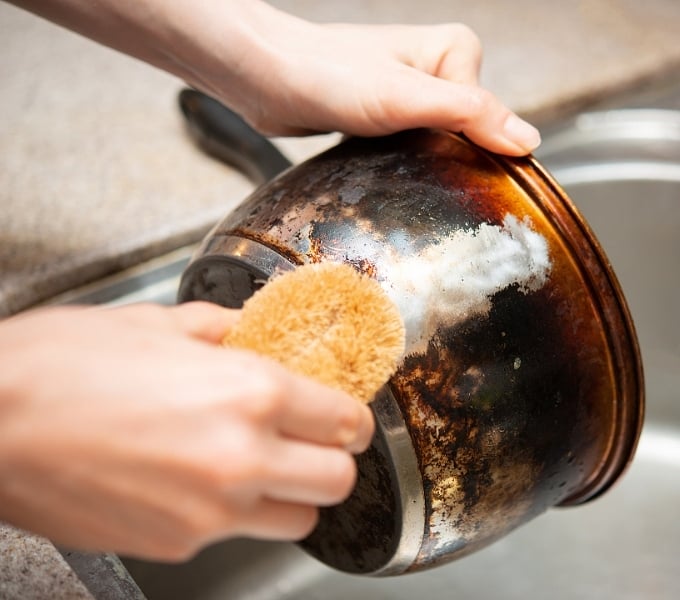
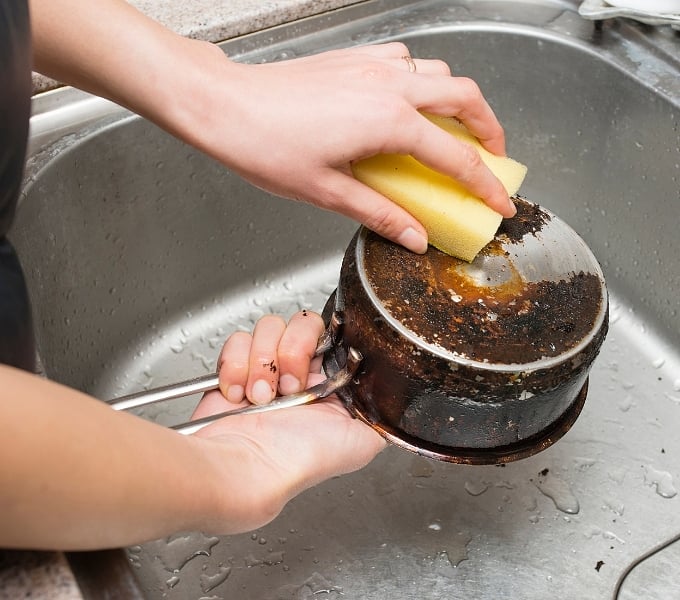
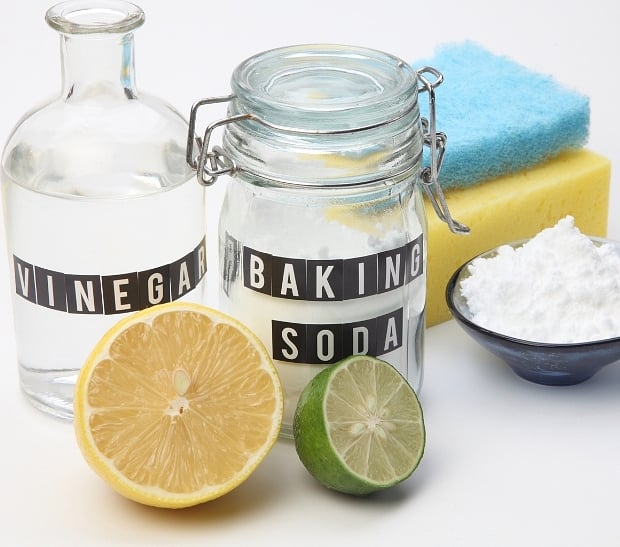
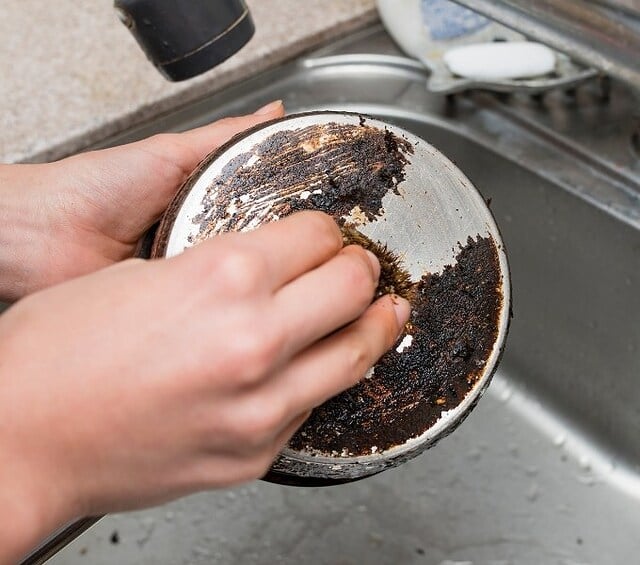
Too high a burner temperature, a moment's inattention, and a burnt pot is a done deal. But before you write off your favourite cooking pot, discover these reliable, simple, home remedies for a burnt pot. Thanks to them, you'll get rid of burnt residue and restore your pots to their original appearance without wasting time and energy scrubbing. Find out what to use and how to clean a burnt pot.
1. What to use to clean a burnt pot? Table salt comes to the rescue!
A trusty home remedy for cleaning stainless steel, cast iron, enamelled, or aluminium pots is table salt, which can be used in two ways – dry or wet.
How to clean a burnt pot using salt? For the wet method, pour 1 cup of salt into the bottom of the burnt, large pot and cover it with 3 cups of water. Leave the mixture in the pot for at least 6 hours. After this time, rinse out the salt and wash the pot with a brush or scrubber. If the bottom of the pot still has traces of burn marks, prepare the solution again, then boil the mixture, let it cool, then pour it out and scrub the pot thoroughly.
For the dry method, pour 1 cup of salt onto the bottom of the pot and scrub quite vigorously with a sponge or brush until all the burnt residue is removed. This method is recommended for cast iron pots. For pots made of other materials, the salt grains could potentially damage their coating.
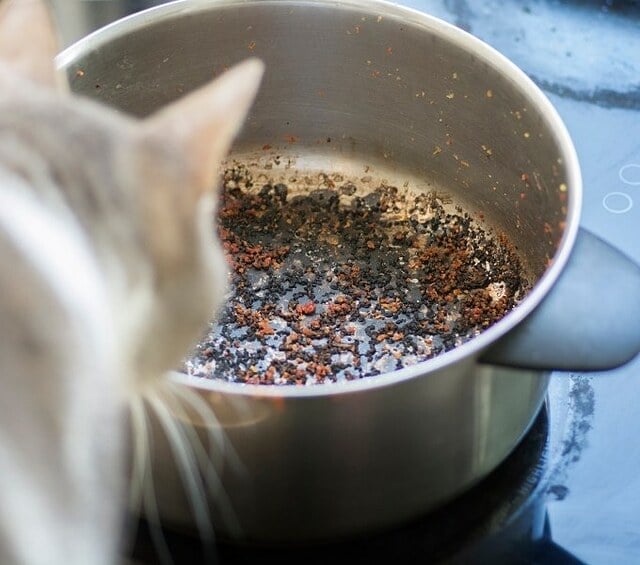
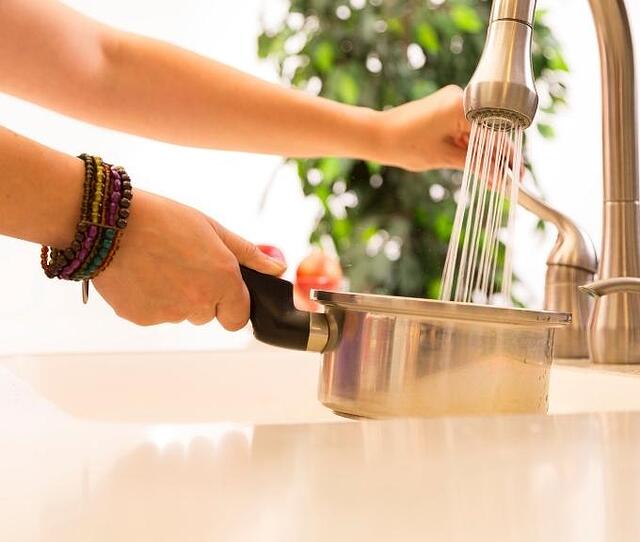


2. How to clean a burnt stainless steel pot? Use the power of vinegar!
How to clean a burnt pot?
Cleaning a burnt milk pot or a pot where you've cooked a delicious one-pot dish will never be a problem again if you use a simple, eco-friendly, and effective method for removing this type of grime. White or wine vinegar comes to the rescue, doing a brilliant job with burn marks on stainless steel and aluminium pots. However, this method doesn't work for enamelled pots, as vinegar could cause them to become dull.
How to clean a burnt pot with vinegar? Simply pour a solution of vinegar and water into the bottom of the pot (it should reach about 3 centimetres high) and bring it to a boil. Leave the mixture in the pot for at least 8 hours, then pour it out, gently scrape off any burnt residue with a wooden spatula, and wash the pot as usual with a sponge or cloth and washing-up liquid.


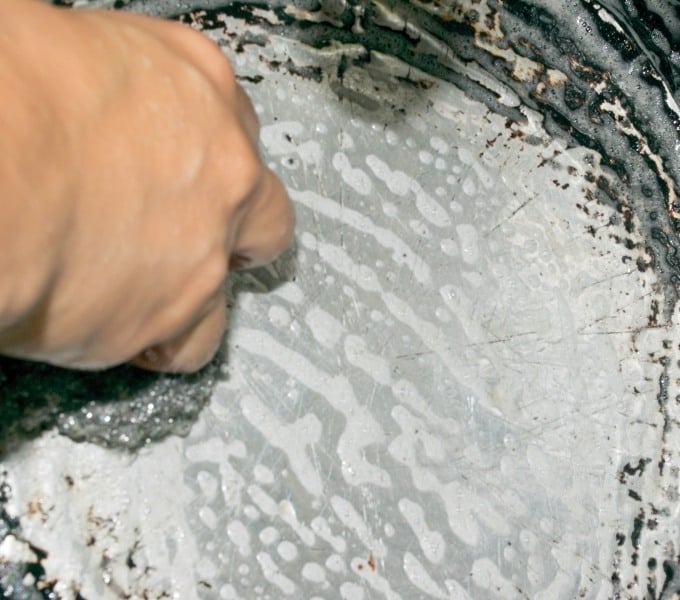


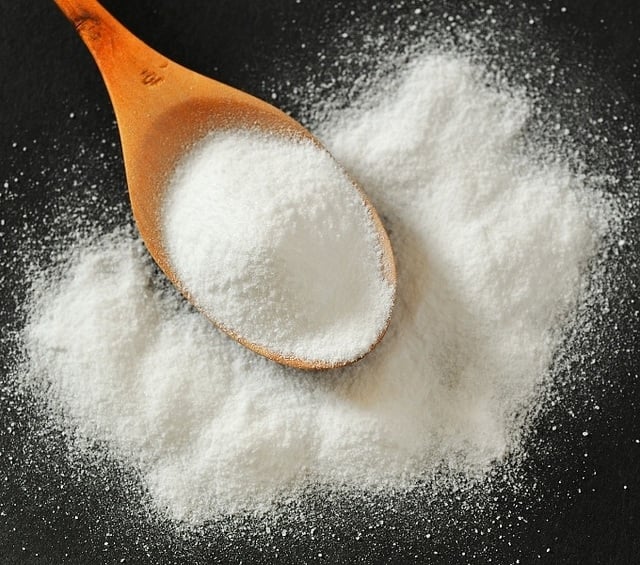
3. How to remove burnt residue from a pot? With baking soda!
Cleaning a burnt milk pot or a pot where you've cooked a delicious one-pot meal will never be a problem again if you use a simple, eco-friendly, and effective method for removing this type of grime. White or wine vinegar comes to the rescue, doing a brilliant job with burn marks on stainless steel and aluminium pots. However, this method doesn't work for enamelled pots, as vinegar could cause them to become dull.
How to clean a burnt pot with vinegar? Simply pour a solution of vinegar and water into the bottom of the pot (it should reach about 3 centimetres high) and bring it to a boil. Leave the mixture in the pot for at least 8 hours, then pour it out, gently scrape off any burnt residue with a wooden spatula, and wash the pot as usual with a sponge or cloth and washing-up liquid.


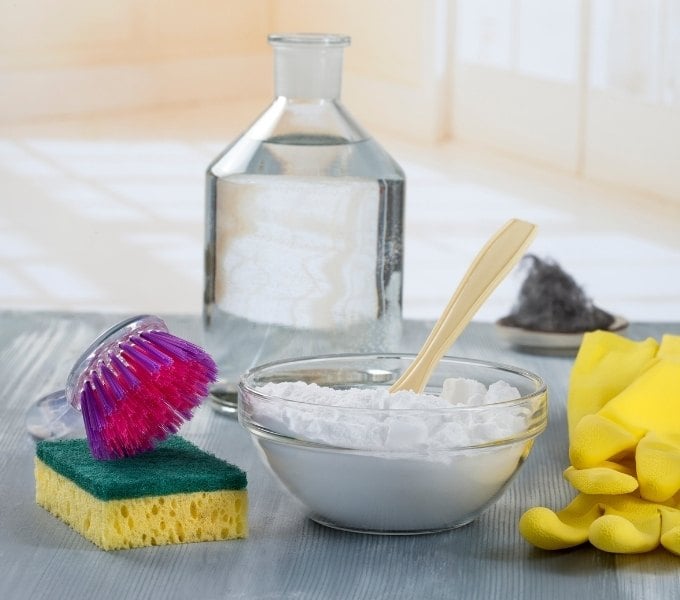
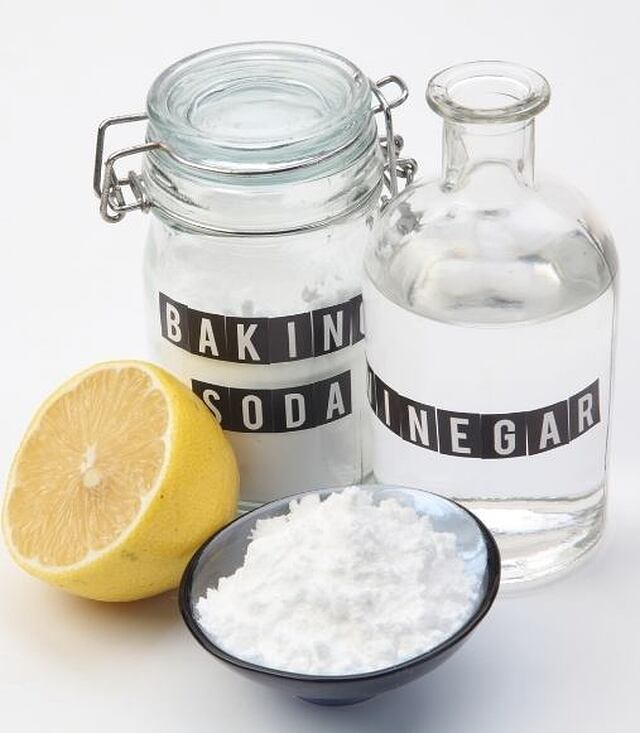
4. A remedy for a burnt pot – water, vinegar, and baking soda
A surprising and unusual method, but yes, rice is an excellent cleaning agent that deals perfectly with burnt pots. Simply pour 1-2 cups of rice (depending on the size of the pot) into the bottom of the saucepan, add 2-4 cups of water, and bring to a boil. After approximately 15-20 minutes, when the rice becomes soft, let it cool, remove it, and wash the pot with washing-up liquid. You can successfully use this method to clean both burnt enamelled pots, as well as stainless steel or aluminium ones. However, you must be careful not to burn it again, as rice absorbs water very quickly, so you need to constantly monitor the amount of water and add more if necessary during cooking.


5. How to clean a burnt pot with Coca-Cola?

6. How to save a burnt pot? Use citric acid!
As you can see, there are many methods for dealing with burn marks on a pot's surface. Before you begin cleaning, however, make sure that the method you choose is appropriate for the type of pots you own. Some materials, in combination with, for example, vinegar or baking soda, can be completely destroyed. It's worth remembering this when you set about cleaning a burnt pot.



7. How to clean a burnt pot? With rice!
}

8. How to remove burn marks from a pot? A dishwasher tablet to the rescue!
gramian:entity=


9. How to clean a burnt pot with activated charcoal?
Our pots have become faithful kitchen companions, helping us conjure up delicious meals. But what happens when one gets a little too enthusiastic with the heat, or you're momentarily distracted, and suddenly you're faced with a burnt mess? Don't panic! Before you write off your favourite pot as a lost cause, let's explore some incredibly effective, simple, and reliable home remedies. These clever tricks will help you banish that burnt-on grime and restore your pots to their former glory, all without endless scrubbing and wasted energy. Let's get stuck in and discover how to tackle that burnt pot!
10. How to clean the bottom of a burnt pot?
gramian:entity=


Tip
As you can see, there are many methods for dealing with burn marks on a pot's surface. Before you begin cleaning, however, make sure that the method you choose is appropriate for the type of pots you own. Some materials, in combination with, for example, vinegar or baking soda, can be completely destroyed. It's worth remembering this when you set about cleaning a burnt pot.