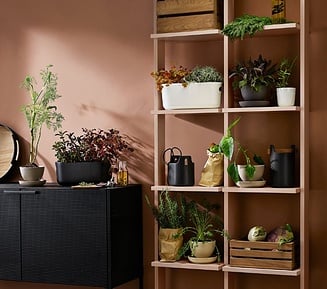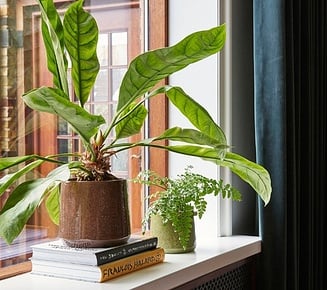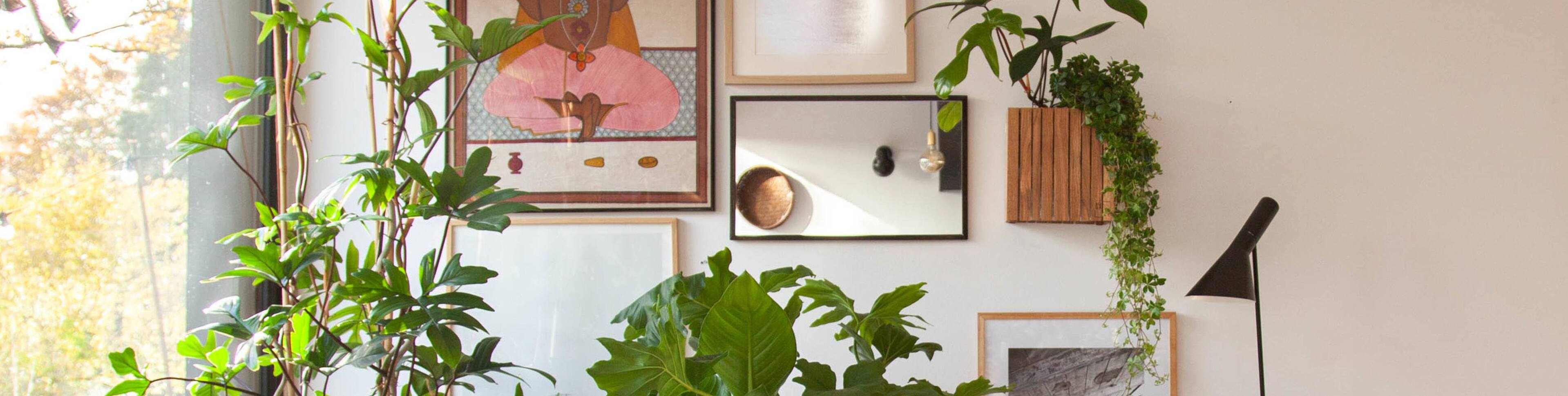
If you want to grow lush plants or set up a home herbarium, a pot is an essential accessory. However, before deciding on a particular model, it is worth getting to know the world of pots and finding out which one to choose depending on the location or type of plant. What types of flowerpots are there, how to choose their size, what to fill them with and how to distinguish them from plant pots? The answers to all these questions await you below...
Pot and casing - the basic difference
Before we focus on specific types of flowerpots, their design or size, we will focus on an important point - and that is the distinction between flowerpot and casing. Many people still use these terms interchangeably - and they are two completely different objects with a different purpose. A flowerpot is an accessory into which a plant is placed after being filled with soil. The plant pot has special holes at the bottom to allow water to drain away after watering - the plant should not stand in water all the time, as this has a negative effect on its root system.


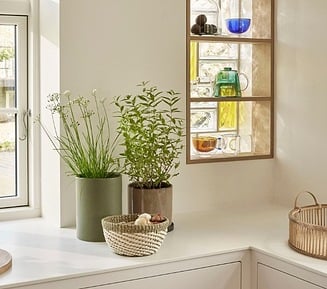
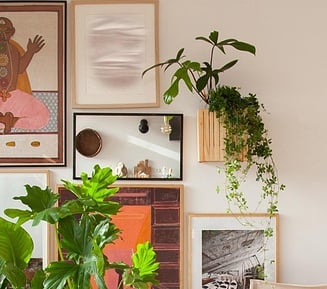
More than 500 pots, covers and flowerbeds
The flowerpot is placed in a ... casing, which is designed to hide the less aesthetically pleasing brown or black pot. This is because it is a decorative container which, unlike pots, is often made of stoneware, porcelain or even seagrass. It is its decorative nature that allows the plant to be displayed in beautiful style. What's more, a flowerpot cover also prevents water from spilling onto the window sill, countertop or floor - just like a saucer placed directly under the flowerpot. Plant pot covers come in a wide variety of shapes and designs - even in the shape of animals or human faces. They can therefore be a beautiful decoration for the interior or terrace and are not very expensive either. In the assortment of the FormAdore brand you will find unique models that will meet the expectations of every lover of the world of plants. Among the products available, you will find pots, flowerbeds and covers from companies such as Bergs Potter, Bloomingville, Ferm Living, Hübsch or Umbra. These range from stylish plant pots for ornamental plants to practical and decorative pots for herbs or flower pots for the balcony.

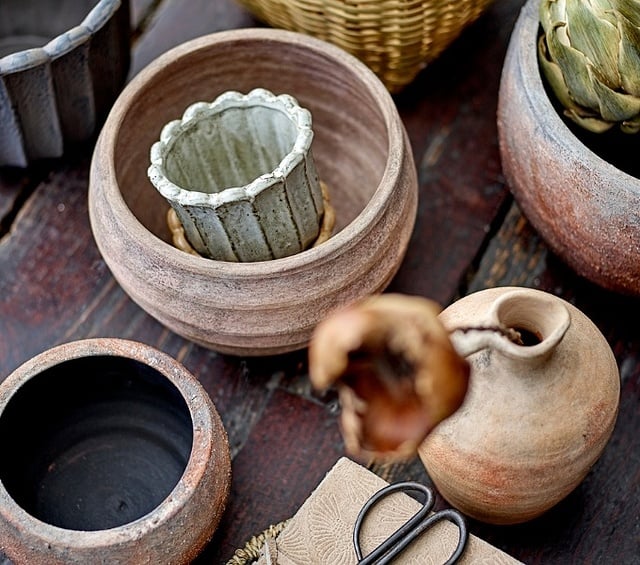
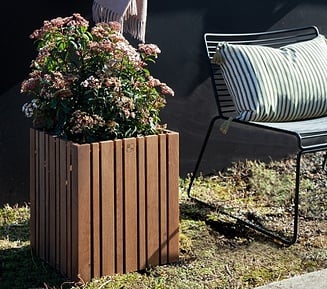
Check it out!
The flowerpot has more than one name, or its most popular types
The flowerpots can be divided into several basic types according to, among other things, the place where they are used:
- indoor flowerpots - this type of flowerpots is intended for use in interiors: homes, schools or offices;
- outdoor flowerpots - this type of flowerpots has been created for use on terraces, balconies or even in gardens. They are distinguished primarily by resistance to low temperatures, precipitation or UV radiation;
- self-watering flowerpots - models with irrigation system, which eliminates the need to replenish the plants with water on your own. This is a perfect solution for people who are not at home for a long time or for... all those who forget;
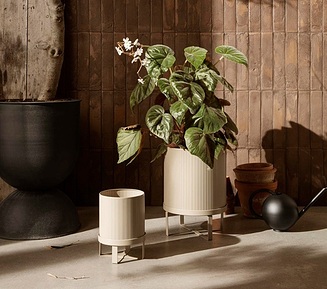
- free-standing flowerpots - a variant of flowerpots designed for windowsills, bookcases or tables;
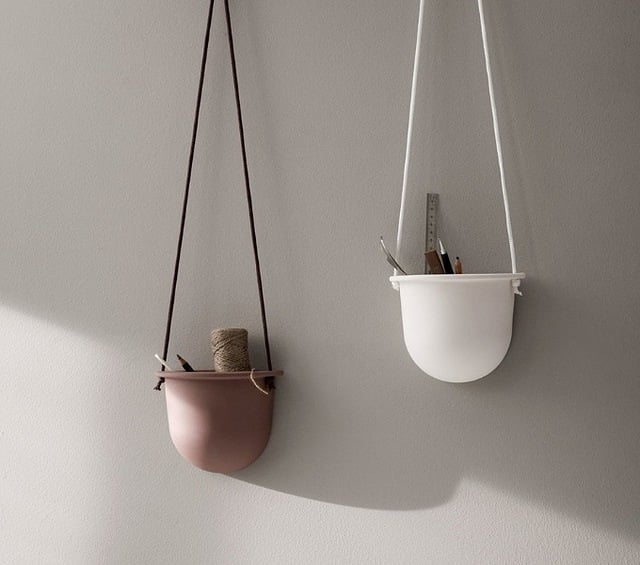
- hanging flowerpots - a perfect alternative to the free-standing models, which perfectly decorates the interior and saves space on table tops or windowsills;
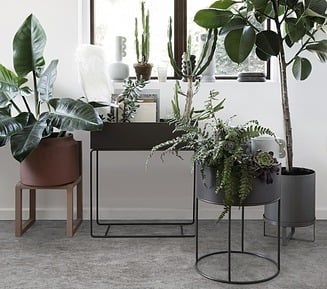
- flowerbeds - stands of a decorative character, often intended for several flowerpots.
The right choice of flowerpot to suit the requirements of the plant or the place of use is very important - an ill-fitting model can have a negative effect on leaf or root growth.



Material of construction - one of the most important factors
In terms of the durability of flowerpots, the material from which they are made is extremely important. The most common models, which everyone is probably familiar with, are made of plastic - we are talking about the popular thin pots in brown or black, in which most plants are sold. However, many other materials are used to make pots, including ceramic, concrete, terracotta and even metal.


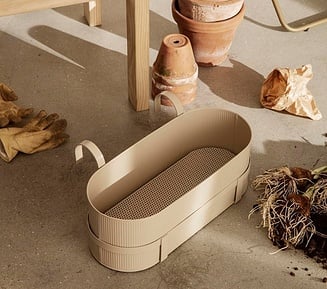
Plastic pots are by far the cheapest - unfortunately, their durability is not very good. They deteriorate much more quickly and easily than the other variants.
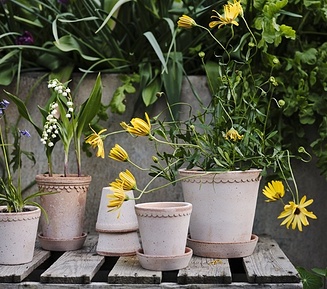
Ceramic pots are very good looking - they are mostly used outdoors. They are distinguished by their high resistance to weather conditions. What is more, they protect the soil from too high or low temperatures very well and provide excellent growing conditions for the plants. Their disadvantage, however, is that they are very fragile. They are also much heavier than plastic or metal models - but this makes them very stable. What is more, ceramic flowerpots fit perfectly into Provencal or rustic style gardens and terraces .


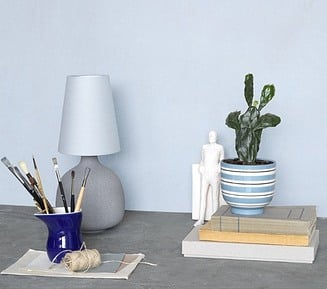
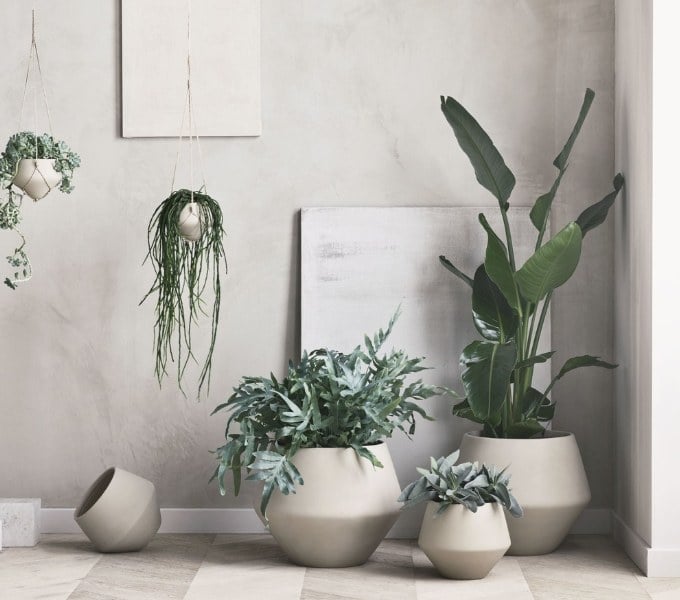


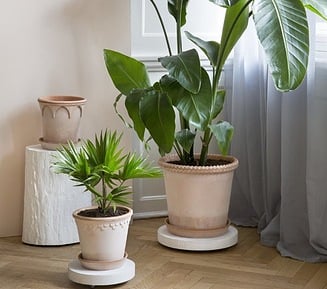
Terracotta pots are an equally decorative option - and they have the added advantage of the breathability of this material. This makes the plants even more resistant to disease or improper care. However, terracotta absorbs water, so a pot placed without a base can leave marks on the ground.
Pots made of metal are characterised by durability and ease of cleaning, and they fit perfectly into modern garden and terrace design. They are a good choice especially for herbs - this combination looks really impressive. However, it is worth bearing in mind that metal can rust over time and that the walls of such pots do not provide adequate water or air flow. In addition, metal pots can get very hot in warm weather. When choosing a particular pot, it is important to consider all the pros and cons so that the pot will last for a long time and promote good plant growth.


How do I choose the right pot size?
The pot should be chosen so that the plant has enough space for proper growth and root development. A pot that is too tight can severely restrict the root system, which in turn will result in stunted growth. On the other hand, a pot that is too large may result in excessive root development instead of leaves, stems and flowers. In addition, too large a pot will accumulate more moisture, which will not be long before the plant rots. So how do you choose the right pot size? The most important thing is that the pot should allow the root system to be completely hidden - once the pot is filled with soil, there should be no roots sticking out. If, on the other hand, you are dealing with larger, spreading plants, you should also ensure that there is enough space for the flowers - so that they are kept in a stable position. Most large plants are also quite heavy - so it's best to opt for not only a taller, but also a heavier pot, which significantly reduces the risk of the plant toppling over.


What do I fill the pot with?
Before pouring soil into the pot and planting the plant, it is a good idea to fill it with the right preparations to promote growth. One such product is expanded clay to create balanced air-water conditions in the soil. Its function is to conserve moisture at the bottom of the pot - so that the roots are not constantly in contact with water. The final amount depends on the needs of the individual plant - but a ratio of 10-50 per cent is recommended for the other ingredients. It is also advisable to add an additional fertiliser to the pot, e.g. NPK containing nitrogen, phosphorus and potassium. The nutrient should be dosed exactly as recommended by the manufacturer of the respective preparation - too much can damage the leaves and roots. Particularly recommended are long-acting fertilisers which dissolve slowly in small doses, continuously supplying the plant with the necessary nutrients. In addition to the use of fertiliser or expanded clay, it is also advisable to create a drainage system which significantly facilitates water drainage. The top layer in the pot should already be good quality soil - preferably rich in clay and peat.


Outdoor plant pots - key criteria and ways to protect against frost
When choosing a flowerpot for outdoor use, special attention should be paid to:
- heavier weight - if you want to create a real plant oasis on your patio, balcony or in the garden, it is best to opt for heavier pots. Their heavier weight prevents the plants from toppling over in stronger gusts of wind;
- resistance to harmful effects of external factors, such as frost, humidity or sunlight;
- size of the pot - if you plan to place a plant on a small balcony, it is better to opt for smaller pots (and thus smaller plants), which will not take up most of the available space.


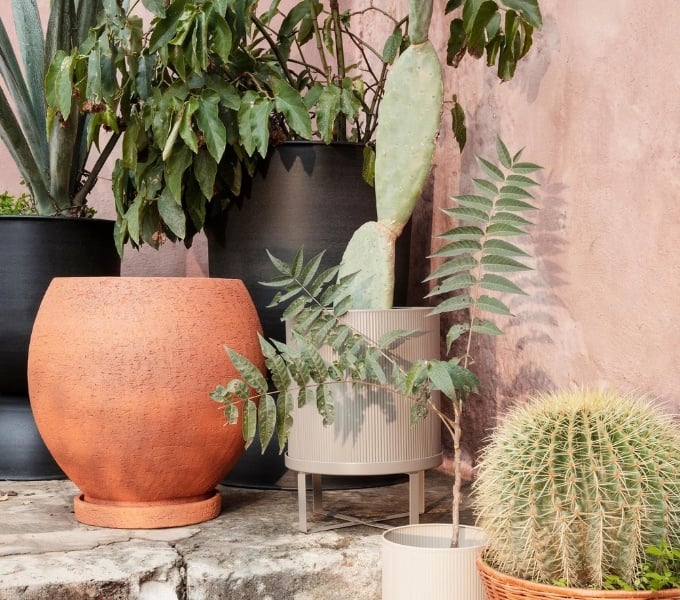
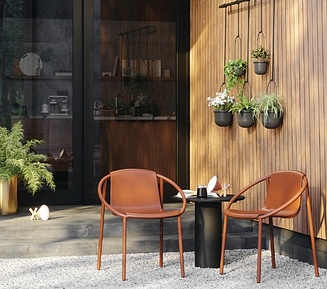

The other criteria for choosing a flowerpot are the same as for choosing an indoor model - e.g. the presence of holes, size to suit the plant or sturdy design.
And what can be done to best protect the pot - and its contents - from frost in autumn and winter? Among other things, you can help by wrapping the pot with an agricultural fleece and placing a wooden board or a few centimetres of polystyrene underneath. In this way, you can insulate the plant from the cold substrate. If possible, it is also best to place the pot under a roof to further protect it from low temperatures and wind.


Soaking and waterproofing flowerpots
Sometimes a flowerpot can get slightly wet after watering - this is particularly the case with ceramic or terracotta flowerpots. However, there is an effective way to prevent this from happening - namely impregnation. There are numerous impregnating preparations available on the market which effectively protect the walls of the flowerpot without altering its colour. They can be applied not only before the first use, but also at later stages. Impregnation protects the pots from damage caused by varying external factors such as rain and snowfall or sunlight.
Are you looking for durable and stylish pots for your plants? Check out the models waiting in our assortment and enjoy interiors full of plants - the choice is really big and everything you want for your plants is waiting here!