Italians claim that black, bitter, strong espresso is the only "real" coffee – but not everyone sees eye to eye on that. Most types of coffee are, in fact, based on espresso. Preparing each one is a true art, requiring not only skill, but also specific accessories and serving rituals. Every coffee connoisseur should get to know them – we'll show you how to serve coffee!
A Little Black, or Espresso
Espresso is the "mother" of all coffees
It’s the foundation and essence of coffee. Its distinctive feature is the crema, a thick, hazelnut-coloured foam. There are also various twists on espresso coffee:
- Doppio is a double shot of espresso.
- Lungo is coffee with more water, filling the entire cup.
- Ristretto is an exceptionally strong espresso with half the amount of water.
- Macchiato is adorned with milk foam.
- Corretto contains a shot of grappa, brandy, or liqueur.
How to serve espresso?
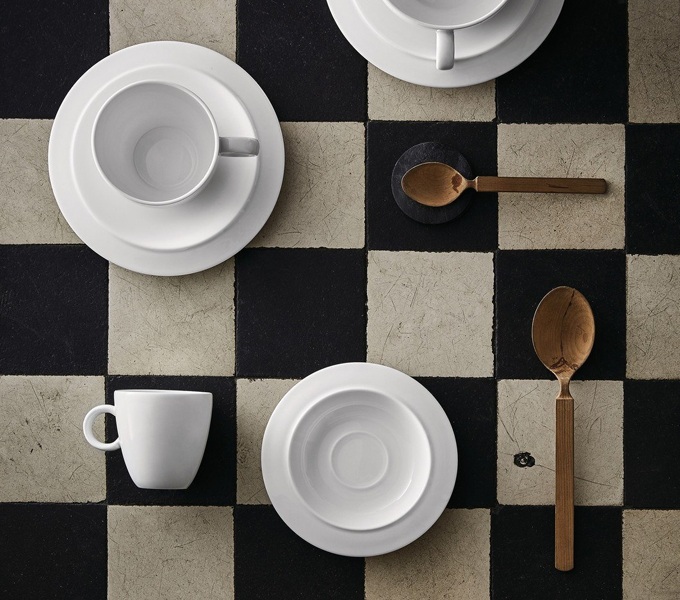
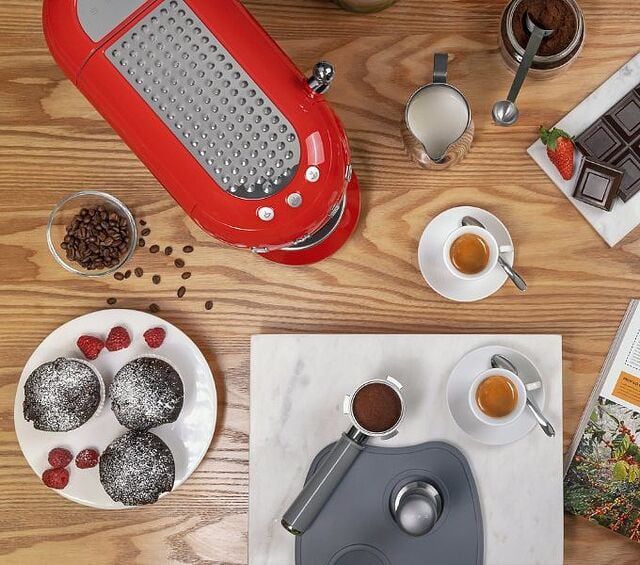
In each of these cases, espresso should be served in special espresso cups with a capacity of 70 ml, which a classic espresso only fills halfway. It’s important that the cup is made of thick porcelain, preferably pre-warmed. This guarantees a high brewing temperature, and thus a full flavour and aroma.
Some argue that the best espresso is brewed in a moka pot. Moka pots, also known as makinetki/moka/cafetieres, are easy to use. They don't need electricity, just a hob – if you have an induction hob, be sure to choose an induction-compatible moka pot. Some of the most popular Italian moka pots have even been praised for their original design!




Coffee with foam – Cappuccino
Where does the name cappuccino come from?
The basis of this coffee is fluffy foam
The name of this type of coffee originated from the brown shade of the Capuchin friars' habits. In reality, however, classic cappuccino has a slightly lighter shade. As with espresso, there are also several varieties of cappuccino:
- Cappuccino scuro has a darker shade, as it contains less milk.
- Cappuccino chiaro is made with more milk, so it's lighter.
- Cappuccino freddo is simply iced, sweet cappuccino, perfect for hot weather.
The recipe for foamy coffee
Cappuccino consists of 1/3 espresso, 1/3 milk, and 1/3 milk foam. The key element here is the foam itself. According to Italian standards, it should be 1-2 cm thick and have a completely creamy consistency with no visible air bubbles. This can be achieved in two ways. First and foremost, remember that the milk you're frothing should be full-fat and chilled – only then will the frothing effect be satisfactory.
Milk frothers
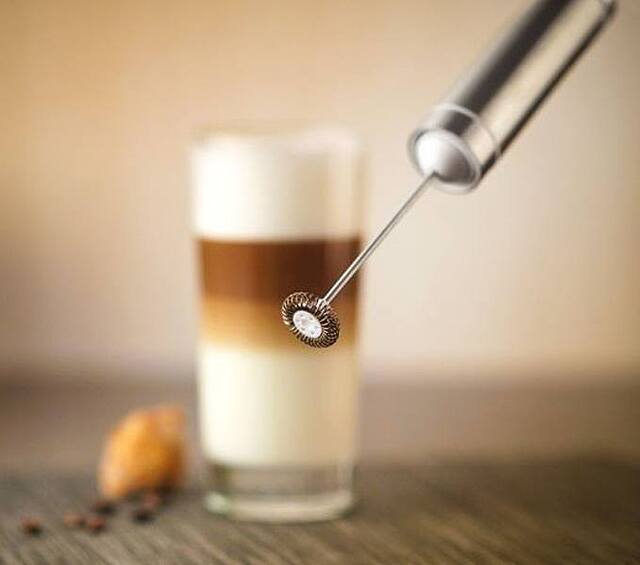
The first way to get milk foam is to use a frother, which is part of every good electric pressure coffee machine. Hot steam, escaping from the nozzle under high pressure, gives the milk a light, fluffy consistency. Equally good results can be achieved with handheld milk frothers. Electric frothers are particularly practical, as their high speed allows for quick and easy creation of dense milk foam. FormAdore recommends the Rapid milk frother from AdHoc, with its elegant shape and stainless steel construction.
Perfect cappuccino from a coffee machine
Dreaming of a cappuccino that turns out perfectly and is always just as delicious? Opt for a coffee machine. At FormAdore, you'll find designer appliances from iconic household appliance brands such as Smeg and KitchenAid. There are several types of coffee machines to choose from, including espresso machines and filter coffee machines.


How to serve cappuccino?
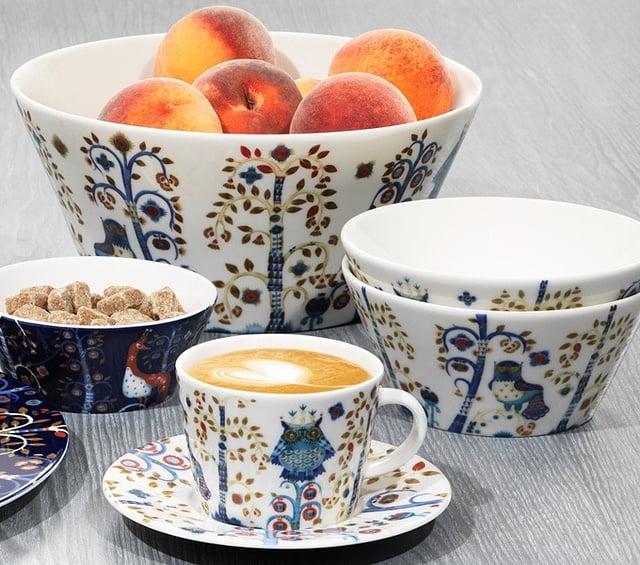
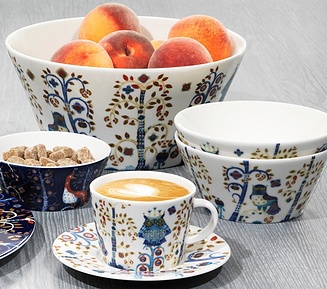
It should be served in cappuccino cups with a capacity of about 150 ml. The Taika collection cups from Iittala were designed for this purpose (from this collection, you can also choose an interesting milk jug, plates, and mugs). The beautifully painted porcelain cups combine tradition and modernity, functionality and fantasy.


With a hint of milk... Latte Macchiato
This is a type of coffee with hot, frothed milk. In this case, however, the preparation method is important – the espresso is carefully poured into a glass of hot, frothed milk. If done precisely, you should get three layers: a bottom layer of milk, a middle layer of espresso, and a top layer of milk foam.
How do we serve latte macchiato?
To show off the impressive appearance of the drink, it is served in tall transparent glasses with a capacity of 200-250 ml. FormAdore offers latte macchiato glasses with a spoon from Zack. A special Utilo spoon with a long handle from Blomus is also essential for enjoying this type of coffee.



Milky Caffe Latte
Latte can also be made with plant-based milk, e.g., soy milk
This type of coffee, often mistaken for latte macchiato, differs from it in both the proportions of milk and coffee, and the preparation method. Typically, the amount of espresso or coffee from a coffee maker is equal to the amount of milk, although proportions of 1/3 coffee and 2/3 milk are also accepted.
The secret to a good latte...
Hot frothed milk is simply poured into the cup with the coffee – which is why layers don't form, but the coffee takes on a uniform, light brown colour. The milk foam here is delicate and not as high as in cappuccino – with a maximum height of 5 mm. This type of coffee is usually consumed in the morning, with breakfast.
Glasses for serving latte
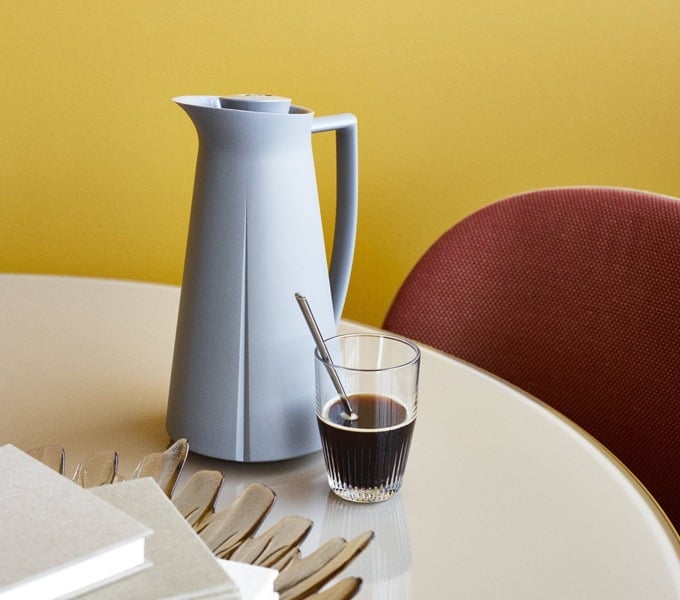
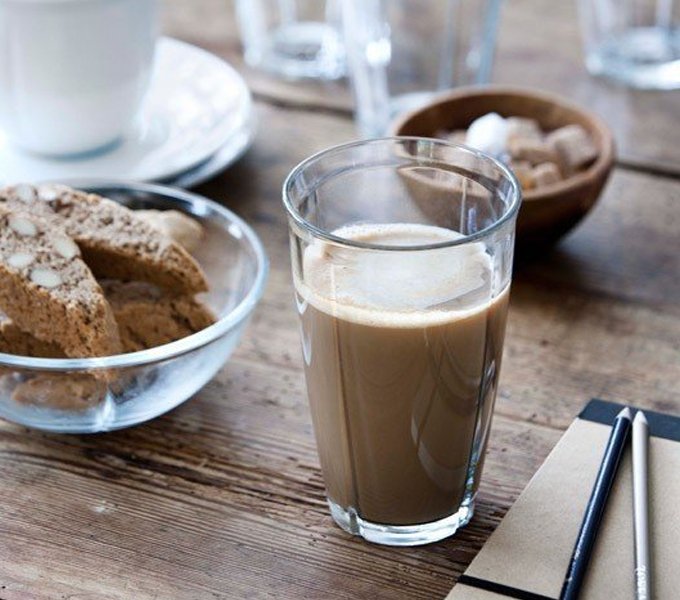
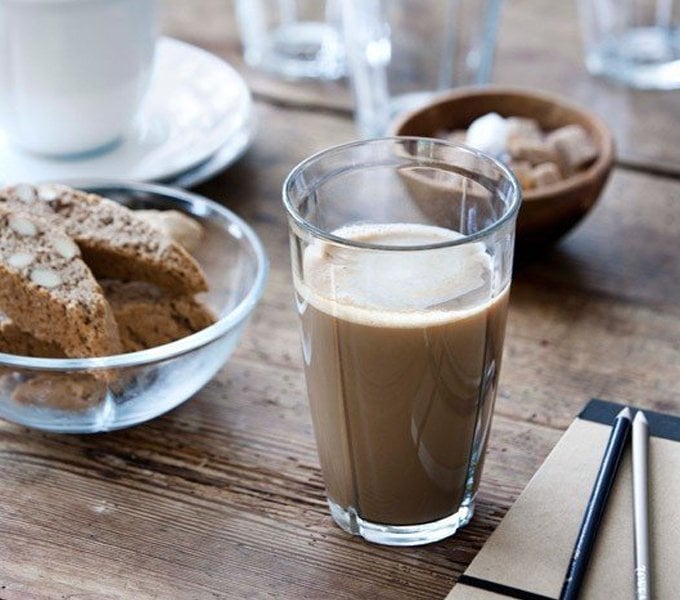
Caffe latte can be served in both glasses and cups, although the latter is more popular. Cups for this type of coffee are usually larger than for Cappuccino, with a capacity of up to 350 ml. FormAdore recommends the Grand Cru latte glasses from Rosendahl.


Coffee and chocolate... Caffe Mocha
This is a "chocolate" variety of caffe latte, where cocoa or chocolate-flavoured syrup is added to the milk. Such coffee is often decorated with a sprinkling of cinnamon, cocoa, or chocolate. Caffe mocha should be served in tall glasses, similar to latte macchiato, or in a special glass on a low stem.


Types of coffee and its properties
Of course, besides the types of coffee listed above, there are hundreds of their varieties, often specialties of different cafés. We can find coffee with a shot of whisky, brandy, or liqueur, coffee with chocolate cream, whipped cream, or even coffee with fruit. In Spain, café cortado and café bombón coffees are popular. How to prepare them? Here are some quick recipes:
Café cortado
This is an espresso with a dash of frothed milk – which doesn't overpower the intense coffee aroma, merely softening the bitterness slightly. Pour espresso into a small glass or cup and add frothed milk. If you want layers to form, first pour the frothed milk into the vessel, then add the coffee, pouring it gently in a thin stream along the sides.
Café bombón
This is coffee with sweet condensed milk – perfect for those with a sweet tooth! Pour condensed milk (about 3 tablespoons per serving of espresso) into a small glass. Then gently add a serving of coffee to it. Additionally, frothed milk can be served. Done!
You can serve all these coffees in coffee cups. Sometimes the taste of coffee is also enhanced with various spices. However, all these varieties are based on the types of coffee mentioned above – if we master the secrets of their preparation, we can conjure up any coffee drink, guided solely by our own intuition and imagination. It's worth starting by learning how to brew coffee – check out how to brew coffee in different ways in another post in our Magazine.


Coffee to go? Certainly!
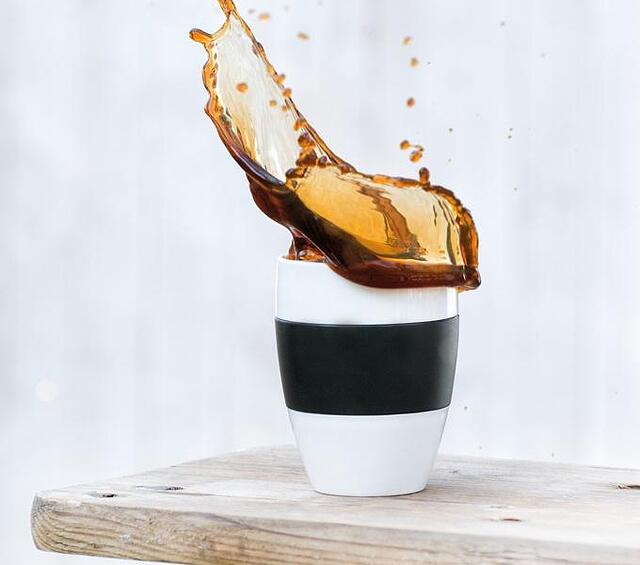
We don't always have the luxury of sitting down peacefully with a cup of espresso or a glass of macchiato – in such cases, it's worth having a thermal mug or a regular takeaway coffee cup with you, which will allow you to enjoy your drink on the way to the tram or on the underground.
And what about coffee, not just to go, but... in a tent in the middle of the woods? Where can you get good coffee in such a place? There's a way for that too! Just pack a coffee dripper in your bag, which will allow you to enjoy a delicious, aromatic brew even in the depths of the forest!


Most of us probably can't imagine a morning without that divine brew we call coffee. A cup of strong espresso, aromatic coffee with milk, or delicate cappuccino wakes us up and gives us the energy to face the day. We should appreciate not only coffee's flavour and stimulating properties.
Healthy Coffee