Traditional Kettles
Traditional kettles - for gas and induction - have a unique character. You could say they are a bit vintage, but only in terms of design. When it comes to performance, they are not inferior at all to electric kettles. Even if they boil the water a little slower - what does that matter in the face of their timeless elegance and aesthetics, which are unmistakable?
Many people say that a classic gas kettle must have a whistle. However, there are those who may find the 'clatter' of a kettle annoying - we understand both sides, which is why our range includes both types of kettle. Fans of the old days should take a look at the special category of retro kettles, and those who prefer modern design will be interested in the modern steel steel kettles.
Enjoy a cup of tea!
33 products


£161.06
9093 Virgil Abloh Whistling kettle 2 l violet limited edition
Alessi
Dispatch within 15 working days


Traditional Kettles - A Timeless Choice for Every Kitchen
Traditional kettles are a tried-and-true solution for those who appreciate simplicity, durability, and classic design in their kitchen. Unlike electric kettles, traditional models don't need a power outlet – all you need is a gas, electric, or induction hob to enjoy hot water for tea or coffee. They can be used on all hob types, making them a truly versatile choice. Traditional kettles allow you to prepare various beverages, such as tea, coffee, or other hot drinks. Our products are designed with functionality and user needs in mind.
Traditional kettles are safe products made from durable materials that ensure hygiene and comfort of use. Thanks to their solid construction from robust materials, a good traditional kettle can serve for decades, even pass down through generations.

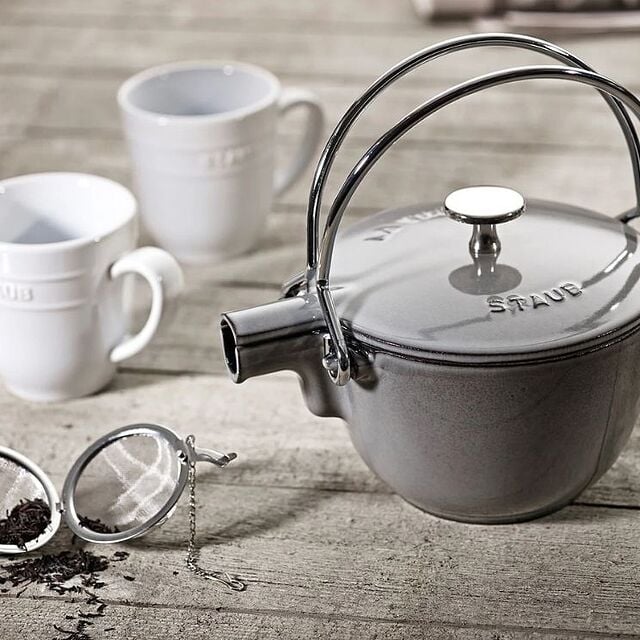


Which Traditional Kettle to Choose for Your Hob?
Choosing the right kettle primarily depends on the type of hob you have. Not every model will be compatible with every hob type.
Kettles for gas hobs are available in almost every material version – stainless steel, enamel, or aluminum work perfectly on a flame. If you use an electric hob, pay attention to a flat bottom for stability and even heat conduction.
Induction kettles require a special ferromagnetic base. Before purchasing, make sure the chosen model is marked as compatible with induction hobs – manufacturers usually state this clearly. Special induction models, designed with induction hob users in mind, are also available. You'll also find universal kettles that work on all hob types, which is an added bonus if you ever change your kitchen appliances.
When choosing capacity, be guided by the size of your household. For 1-2 people, a 1.5-liter kettle will suffice, while 4-person families should consider models with a capacity of 2.5-3 liters. An ergonomic, heat-resistant handle and a stable base are elements that ensure comfort and safety in daily use.
What Material Should a Traditional Kettle Be Made Of?
The material a kettle is made from is crucial for its durability, functionality, and appearance.
- Stainless steel is the most popular choice due to its exceptional strength and corrosion resistance. Stainless steel kettles are easy to clean, don't react with water, and maintain their shine for years of use. It's a high-quality material that guarantees product longevity.
- Enameled kettles stand out with their variety of colors and classic design, reminiscent of retro styling. Enamel protects the metal from corrosion but requires more delicate handling – it's prone to chipping if dropped. If aesthetics are important to you and you want your kettle to be a kitchen centerpiece, enameled models in various colors will be a bullseye.
- Aluminum is characterized by its lightness and rapid heat conduction, which translates to shorter water boiling times. Aluminum kettles are durable and practical, though aesthetically they may take a back seat to steel or enamel models.
Your choice of material should consider your priorities – whether you prioritize durability, heating speed, or a visual style that matches your kitchen decor.
How to Use a Traditional Kettle Daily?
Daily use of a traditional kettle is incredibly simple, but it's worth knowing a few rules to ensure safety and extend the product's lifespan.
- When filling the kettle, do not exceed the maximum water level – too much water can spill from the spout during boiling. At the same time, avoid boiling an empty kettle, which could lead to damage.
- Whistling kettles signal the boiling point with a distinctive sound. The whistle mechanism works by air vibrations caused by steam flowing through narrow openings – it's a simple but reliable way to let you know the water is ready. When you hear the whistle, remove the kettle from the hob.
- A traditional kettle is not just for making tea or coffee. You can use hot water for instant soups, oatmeal, and in larger models, even boil soft-boiled eggs. This versatility makes it a universal tool in the kitchen.
- During use, always use the handle; never touch the hot body. On a gas hob, place the kettle centrally over the burner, ensuring the flame does not extend beyond the base.
Alternatives to Traditional Kettles: Electric Kettles
The modern market offers a wide range of alternatives to classic kettles, which might even better suit individual user needs. Electric kettles are a great option for those who value convenience and time-saving – just plug them in to boil water for tea or coffee in a flash. Many models are equipped with features like temperature control or automatic shut-off, which increases safety and comfort of use.
For owners of modern kitchens, induction kettles can be an excellent solution, characterized by rapid heating and energy efficiency. Meanwhile, gas kettles are the choice for those who remain faithful to traditional stovetop boiling methods. Regardless of the chosen option, it's worth paying attention to the kettle's durability and build quality to enjoy reliability for a long time. Thanks to the wide range available on the market, everyone will find a model perfectly suited to their needs and lifestyle.
How to Care for a Traditional Kettle So It Lasts for Years?
Proper maintenance is key to preserving the kettle's functionality and aesthetics for many years.
Cleaning stainless steel is simple – just warm water with dish soap and a soft sponge. Avoid scourers and harsh brushes, which can scratch the surface. To restore shine, you can wipe the outside of the kettle with a little olive oil on a soft cloth.
Enameled models require a more delicate approach. Wash them by hand, avoiding sudden temperature changes that can cause the enamel to crack. Some stainless steel kettles can be washed in a dishwasher – check the manufacturer's recommendations.
Limescale removal is a routine procedure, especially in regions with hard water. Fill the kettle with a solution of water and vinegar (1:1 ratio) or citric acid, boil, and leave for a few hours. Then rinse thoroughly. Regular descaling ensures efficient heat conduction and clean water.
Store the kettle in a dry place, preferably with the lid ajar, to avoid moisture inside. With such care, your traditional kettle will maintain full functionality and aesthetic appeal for many years, becoming a part of your family tradition.