Monstera Plant Pots
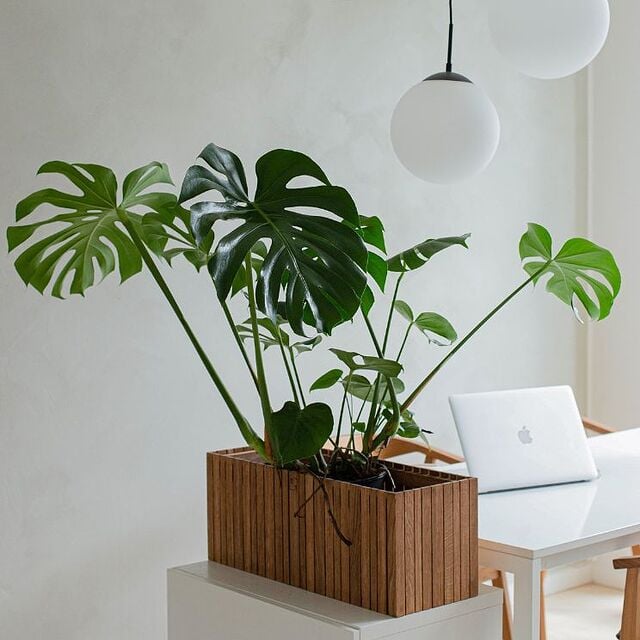
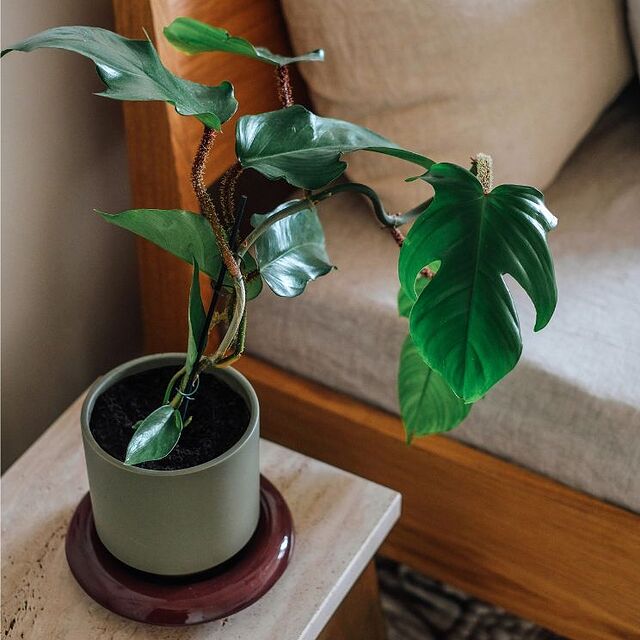
Pots for monsteras should offer ample space for their ever-expanding roots and provide stability for those magnificent, large leaves. It's crucial to pick a model that's just right for your specific plant – think of it as finding the perfect pair of shoes! The pot should generally be about 5 cm wider than the monstera's diameter. As a rule of thumb, it's best to go for pots with a diameter of 25–40 cm and a height of around 25–35 cm, always with a drainage hole and enough room for a drainage layer. Ceramic, concrete, or stoneware pots are excellent choices as they provide good support for the plant and help prevent it from toppling over. In larger pots, your monstera can also thrive with a plant support or a moss pole.
7 products


The Ultimate Monstera Pot Guide – Before You Buy!
In this guide, you'll find specific guidelines on which pot works best for your Monstera, what sizes to choose based on plant height, and which materials to steer clear of. Whether you're picking up your first Monstera from a garden center in a small nursery pot or seeking a solution for a mature, multi-year-old specimen – you'll find all the essential information right here.
Monstera deliciosa is one of the most popular houseplants, capable of reaching an impressive 2-2.5 meters in height indoors, with its characteristic leaves growing up to 50-60 cm in diameter. Choosing the right pot is absolutely crucial for the growth rate, root health, and leaf size of this tropical beauty.
Benefits of a well-chosen pot:
Easier daily plant care
Less frequent repotting and reduced transplant shock
Healthy growth and larger leaves
Minimal risk of root rot
Why is choosing the right Monstera pot so important?
Monstera has a unique growth habit. In its natural environment, it's a tropical vine that climbs tree trunks using aerial roots. Its root system is thick, fleshy, and spreads both wide and deep into the substrate.
In indoor conditions, with proper care, a Monstera grows about 30-50 cm annually. This means you'll need to change its pot every 1-2 years during the plant's early life.
What your Monstera needs from its pot:
Depth – Monstera roots need space to grow downwards
Stability – large leaves and a tall stem require a solid base
Space for a coir or bamboo pole
Well-draining, nutrient-rich soil with good drainage
What size pot for Monstera? Specific dimensions
The golden rule is: the new pot should be 2-4 cm wider than the previous one and about 5 cm larger than the diameter of the plant's root ball. Avoid jumps exceeding 5 cm – a pot that's too large increases the risk of overwatering.
Approximate sizes by plant height:
| Monstera height | Pot diameter | Minimum height |
|---|---|---|
| 20-40 cm (seedling) | Ø12-14 cm | 12-15 cm |
| 60-100 cm | Ø18-22 cm | 20-22 cm |
| 120-150 cm | Ø24-30 cm | 28-30 cm |
| Above 150 cm | Ø32-40 cm | 30-35 cm |
A small pot stunts growth – roots become root-bound, the substrate dries out quickly, and Monstera leaves grow smaller. Conversely, a pot that's too large means excess moist soil around the roots, leading to root rot.
Pot depth and shape for Monstera
Monstera has a strong, deep-growing root system. Choose a pot that's taller rather than very wide and shallow. The minimum height is 20-22 cm for a medium plant and 30 cm or more for large specimens over 120 cm.
A rounded shape (circular, oval) provides better stability than narrow tubes, which are prone to tipping over. The pot's base must be wide enough to securely anchor a coir pole – especially for plants over 80-100 cm.
What pot material for Monstera? Pros and cons
The choice of material impacts the overall weight, stability, breathability of the pot walls, and ease of plant care. For a first purchase, a lightweight plastic pot is often chosen, complemented by a decorative cachepot, while for larger specimens, heavier materials are worth considering.
Plastic pots (synthetic material)
An excellent choice for young and medium Monsteras up to about 80-100 cm. A plastic pot is lightweight, crack-resistant, and easy to move.
Pros:
Low weight and a wide range of colors
Easy to clean and disinfect when repotting
Modern plastic pots can mimic concrete or stone
Durable base with multiple drainage holes
Cons:
Plastic regulates moisture less effectively than terracotta
For very large plants, it may require weighting down or a stable cachepot
Ceramic and Terracotta Pots
These are 'breathing' solutions – porous walls regulate substrate moisture better. Ideal for medium to large Monsteras (80-150 cm), especially if you're aiming for an elegant look.
Pros:
Heavy weight providing stability
Optimal conditions for roots over a longer period
Aesthetic, classic appearance
Drawbacks:
Once filled with soil, they become difficult to move
Glazed ceramic evaporates water slower – higher risk of overwatering
Monstera feels most at home in a ceramic pot that stays put for years on end.
Concrete, Stone, and Heavy Pots for Large Monsteras
A large concrete or stone pot is the go-to solution for very large Monsteras over 150 cm, resembling small trees.
Pros:
Extreme stability – crucial with children and pets around
Concrete keeps the substrate cool in summer
Perfectly complements your interior's industrial and loft style
Cons:
Immense weight – plan its position before planting
Ensure there's an inner liner with drainage
In summary, architectural concrete pots are very durable and stable, making them a suitable choice for large Monsteras, but they are also heavy and difficult to move.
Fiberglass Pots
A compromise between the lightness of plastic and the elegance of heavier pots. Fiberglass pots are durable, damage-resistant, and UV-resistant.
Key Features:
Smooth, modern surfaces
Option for built-in irrigation systems
Moderate weight – reasonable stability for large specimens
An excellent long-term choice for a prominent spot in your home
Natural Materials and Baskets as Cachepots
Rattan, wicker, or seagrass baskets are primarily used as cachepots, not as the main growing pot. Inside, there must be a plastic pot with drainage holes.
Natural cachepots made from natural materials perfectly complement the large, green leaves of Monstera in boho or Scandi styles. However, remember to check that no water is pooling at the bottom of the basket after watering.


Drainage and Drainage Holes – An Absolute Must for Monstera
Monstera loves moist soil but absolutely detests 'wet feet'. Standing water means rotting roots, yellowing leaves, and an unpleasant, pathogen-rich soil odor.
Rules for proper drainage:
Every growing pot must have drainage holes at the bottom
Drainage layer: 2-3 cm of LECA for small/medium, 3-5 cm for large pots
LECA optimally combines excess water drainage with moisture retention
Water only when the top layer of soil (2-3 cm) is dry
With well-draining soil rich in perlite and bark, drainage works optimally, providing ideal conditions for the roots.
How to spot drainage problems in your Monstera?
Symptoms of overwatering:
Yellowing leaves and brown spots on the blades
Soft leaf petioles
Musty soil smell after watering
Prolonged wet soil encourages fungal diseases. Act fast: reduce watering, remove the plant, trim any rotten roots, and repot into fresh substrate with a solid, thick drainage layer.
Lack of drainage holes or too thin a drainage layer is the most common mistake during the first repotting – avoid overwatering, especially during this period.
Light or heavy pot? Matching it to Monstera size and placement
Three factors determine your choice: its size, placement, and how often you plan to move it.
Lightweight pots (plastic, thin composites):
Best for small and medium Monsteras
Ideal if the plant is frequently moved
May require weighting down for large specimens
Heavy pots (ceramic, concrete, fiberglass):
Work well for large Monsteras on the floor
Safer with children and pets around
Reduce the risk of the plant-and-pole setup tipping over
Choosing a pot for its spot in your home
In the living room by the window: Opt for larger, stable floor pots for Monsteras 120-200 cm tall. Place 1-2 m away from direct sunlight – Monstera deliciosa and Monstera adansonii (monkey mask) prefer diffused light.
In the bedroom or office: Smaller, decorative pots for compact varieties on dressers or shelving units.
On the balcony: Pots resistant to temperature fluctuations (fiberglass, thicker ceramic) with drainage and a saucer. Avoid metal in full sun – it heats up and can damage roots.
How to tell if your Monstera needs a bigger pot?
Regular misting and watering are fundamental, but it's equally important to observe the signals your plant sends.
Signs of a pot that's too small:
Roots emerging through drainage holes
Dense roots visible on the substrate surface
Slight bulging of a plastic pot
Rapid soil drying – watering more than once a week
Smaller leaves and slower growth
Plant with large leaves tipping over
Don't wait for your plant to suffer – plan repotting for spring or early summer, its period of vigorous growth.
How much larger should the pot be when repotting?
A Monstera pot should be about 2-4 cm wider than the current root ball to provide adequate space for growth, but not so large as to cause root rot.
Gradual increase is key – usually by 2-3 cm in diameter, a maximum of 4-5 cm for large Monsteras.
Specific examples:
From Ø14 cm → Ø17-18 cm
From Ø18 cm → Ø21-22 cm
From Ø24 cm → Ø27-28 cm
For very old Monsteras, you can limit yourself to replacing the top layer of soil and repotting into a larger pot every 2-3 years.
Pot aesthetics and style – how to match it to your interior?
Monstera is a strong decorative accent – the best pot should highlight your Monstera's beauty, not compete with it.
Color recommendations:
Classic colors (white, black, grays, beiges) highlight the green of the leaves
Matte surfaces and concrete imitations – loft style, minimalism
Glossy ceramics – glamour interiors and modern living rooms
Natural cachepots in earthy tones – boho and Scandi styles
Does pot color affect Monstera's health?
Dark pots in heavily sunlit areas can heat up more. In typical indoor conditions (diffused light), color is primarily an aesthetic consideration.
More important than color are: drainage holes, appropriate pot size, and a well-prepared drainage layer. On a balcony, choose lighter-colored pots to limit overheating.
Summary – the ideal Monstera pot
Key takeaways:
Always choose a pot with drainage holes and prepare a drainage layer
Gradually increase size (2-4 cm with each repotting)
Match the height to the Monstera's root system
Lightweight material for small/medium plants, heavier materials for large specimens
Ensure the stability of the setup: plant + substrate + coir pole
Think long-term – your plant will grow for many years, and a well-chosen Monstera pot will help you avoid frequent, troublesome changes. Before purchasing, measure your current pot and the plant's height – this will help you choose the perfect pot without a hitch.
Monstera Pot: Frequently Asked Questions
What pot material is best for Monstera?
Ceramic and terracotta pots are a good choice for Monstera due to their natural character and 'breathing' ability, which promotes healthy plant growth.
How often should Monstera be repotted?
Young Monsteras should be repotted annually, and older ones every 3-4 years.
Does a Monstera pot need holes?
Yes, a Monstera pot should have drainage holes to allow excess water to drain, which is crucial for the plant's health.
How to repot Monstera?
When repotting, it's advisable to use a drainage layer of LECA at the bottom of the pot and provide support in the form of a coir pole.
What environment does Monstera thrive in?
Monstera enjoys high humidity, so it's worth regularly misting its leaves, especially during the heating season.