Children's Alarm Clocks
A colorful alarm clock for kids is a must-have gadget for your little one's bedside table. For your child's health, an alarm clock is definitely a better choice than a mobile phone lying next to their pillow! And for the little tech enthusiasts, we have electronic alarm clocks.
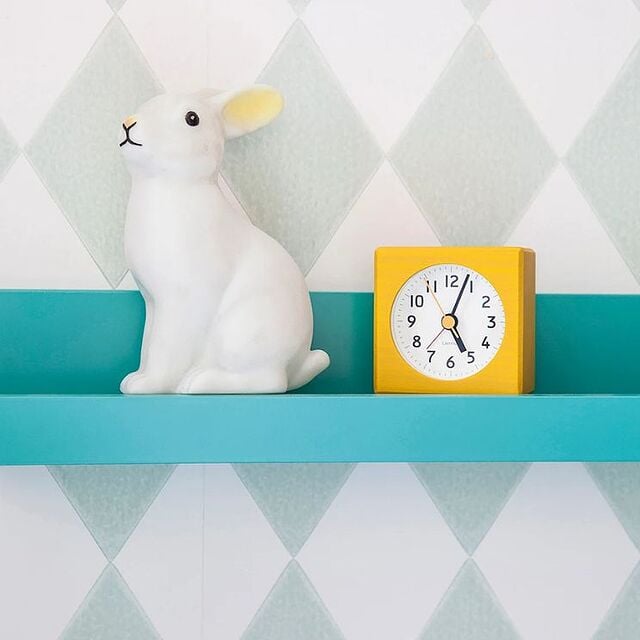
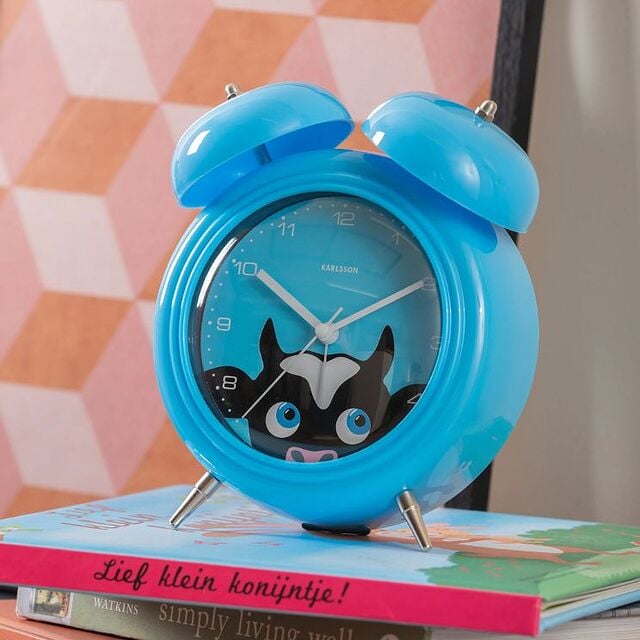
A children's alarm clock should be colorful and cheerful to match the bedroom decor. The key is a large, easy-to-read dial where numbers and markings are perfectly visible. Contrast between the hands and the clock face is also important for kids' alarm clocks. As for the alarm sound, it shouldn't be piercing or unpleasant in a child's alarm clock. After all, every wake-up call should be an inviting prelude to the adventure that the coming day holds!
15 products


Children's Alarm Clock – Find the Perfect Model for Your Little One
A children's alarm clock is a specially designed device that helps the youngest learn independence and time management. More than just a wake-up device, a children's alarm clock is a tool that fosters independence, helps build healthy sleep habits, and teaches your little one time management. A well-chosen model with gentle melodies, a clear display, and educational features makes morning wake-ups a breeze for both children and parents. Alarm clocks can reduce the need for adults to wake them, giving little ones a sense of independence from an early age.
Choosing the right alarm clock is crucial for a child's development, as it supports the formation of independence, responsibility, and healthy sleep habits.
We've put together a guide for parents of preschool and school-aged children. Discover how to pick the perfect alarm clock tailored to your child's age, your family's needs, and their room decor.
Alarm Clocks for Children for Every Occasion
Different situations call for different types of alarm clocks – a preschooler learning to distinguish day from night will need a different model than an older student getting ready for school. Below, you'll find an overview of the most important categories, making it easier to match products to your little one's needs.
Everyday Alarm Clocks – simple, reliable, with large digits and basic alarm functions.
Educational and Developmental Alarm Clocks – colorful, with night lights, sleep trainers, and time-teaching features.
Specialty and Themed Alarm Clocks – shaped like animals or characters, with customization options, a night light, and extra features.
In the following sections, you'll learn how to choose an alarm clock based on your child's age and what features to look out for.
Choose the Right Alarm Clock for Your Child's Age
A child's age determines which alarm clock features will be most useful and safe. The needs of a three-year-old differ dramatically from those of a ten-year-old – choosing wisely is key to effective use of the device.
For Preschoolers (3–6 years old):
Colorful alarm clocks with visual cues (sun and moon icons, warm light)
Simple operation – one alarm button, gentle melodies
Night light with adjustable brightness (no blue light)
For School-Aged Children (6–10 years old):
Electronic alarm clock with a large, clear digital display
Ability to set multiple alarms (e.g., for school days and weekends)
Snooze function, volume control, melody selection
For Older Children (10+ years old):
Advanced models with multiple alarms, custom melodies, radio, Bluetooth
Sunrise simulation function (gradually increasing brightness)
Supporting independence in daily planning
For Children with Sleep Issues:
Alarm clocks with relaxation features (lullabies, white noise)
Quiet mechanism operation, sound shut-off timers
Gradually escalating alarms, night light for a sense of security


Key Features and Quality Craftsmanship
A good children's alarm clock is an investment in their development – it's not worth cutting corners on the quality of a device that accompanies your child every day. The right features and durable materials guarantee safety and a long lifespan.
Displays and Readability
| Display Type | Advantages | Night Light Availability |
|---|---|---|
| Digital (LED/LCD) | Large, clear digits, easy to read at night | Often integrated |
| Analog | Teaches time-telling, proportional thinking | Less common |
| Hybrid (analog+digital) | Supports time learning, attractive design | Model dependent |
Adjustable display brightness (for day and night)
Automatic backlight adjustment to room conditions (light sensor)
Colorful backlighting to support visual learning
Durable, safe materials (drop resistance, safety certificates)
Sounds and Melodies
| Sound Type | Advantages | Volume Control | Shut-off Timer |
|---|---|---|---|
| Lullabies | Gentle falling asleep, relaxation | Yes | Yes |
| Nature Sounds | Calming, positive associations | Yes | Yes |
| Classic Melodies | Variety, choice | Yes | Yes |
| Traditional Alarm | Effective waking for older children | Yes | Less common |
Ability to choose melodies and customize the alarm
White noise and lullaby functions to aid sleep
The American Academy of Pediatrics warns against excessive noise – choose models with volume control.
Power and Durability
Powered by AA batteries or USB-rechargeable batteries (convenience and savings)
High-capacity rechargeable batteries (e.g., 1800 mAh) – long operation without charging
Durable, drop-resistant construction
Safe materials (e.g., BPA-free silicone)
Manufacturer's warranty and easy service support
Summary of Key Features
Clear display (digital, analog, or hybrid) with adjustable brightness
Gentle, adjustable sounds and melodies for waking and falling asleep
Educational features (sleep trainer, time-telling)
Night light with warm light
Durable, safe construction and convenient power supply
Customization options (melodies, colors, alarms)
How to Set Up and Use a Children's Alarm Clock
First Steps with the Alarm Clock
Place the alarm clock on the nightstand within your child's reach, but not directly next to their head.
Configure the alarm time, volume, and melody type according to your child's preferences.
Show your child how to operate basic functions (e.g., turning the alarm on/off, changing melodies).
Establish simple rules, e.g., 'when you see the sun, you can get up'.
Let your child choose the melody and backlight color to increase engagement.
Initially, set the alarm a few minutes after their natural wake-up time, gradually shifting it to the target hour.
Creating a Morning Routine
Introduce the alarm clock gradually into the daily routine.
Establish a consistent wake-up time appropriate for your child's age and stick to it, even on weekends.
Connect the alarm clock with other elements of the morning routine: after the alarm, brushing teeth, getting dressed, breakfast.
Use positive reinforcement for independent waking (praise, a sticker on a reward chart).
Choose models with a snooze function if your child needs a few extra minutes to wake up gently.
Shop for Children's Alarm Clocks Online
Discover a wide range of alarm clocks available in our FormAdore store – from simple models for preschoolers to advanced devices for older children, including electronic alarm clocks. Use the filters to narrow down your selection to a specific category: by child's age, display type, available features, or price range. Many products are available at a discount – it's worth checking out our current promotions.
Compare features and costs of different models: check if the alarm clock offers brightness adjustment, gentle melodies, a night light, and durable power. Fast shipping and convenient home delivery mean the perfect alarm clock for your child is just a click away. Add your chosen model to the cart and give your little one a tool that fosters independence, builds healthy sleep habits, and makes morning wake-ups a joy – whether it's for a boy or a girl.