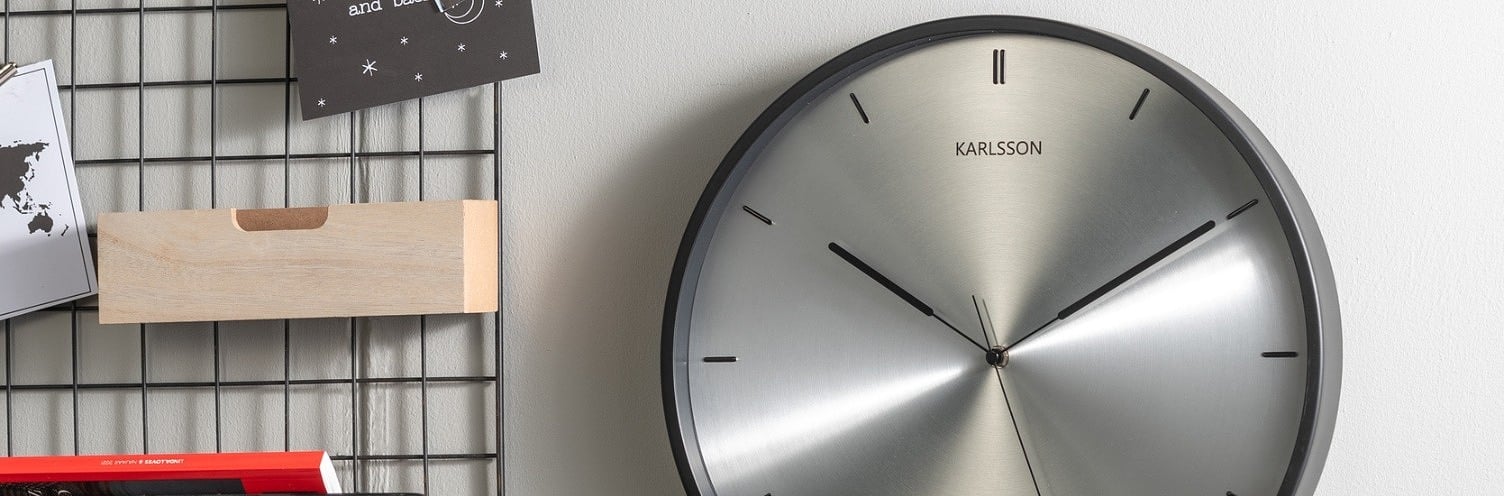
The kitchen is the heart of the home – a place where the day begins, and meal preparation intertwines with conversations and shared moments. A clock in the kitchen is not just a practical addition that helps keep pace with the daily rhythm, but also an element that can emphasize the interior style. In our guide, we'll show you how to choose the perfect kitchen clock – the one that's just right for you.
Kitchen Clocks: How to Choose the Perfect Model to Transform Your Interior?
Imagine a kitchen where every element has its place, and time flows to the rhythm of your favorite dishes. A hurried breakfast in the morning, a peaceful afternoon coffee, or an evening of cooking for loved ones – every moment has its own beat. A kitchen clock is not just a practical tool for timing your cooking, but also an important decorative element that can give your interior character.
Do you know how to choose that one perfect model that will harmonize with your kitchen's style and meet all your expectations? We've prepared a guide to help you discover the world of kitchen clocks – from classic to ultra-modern, from minimalist to those with a soul. Learn how to combine functionality with aesthetics and make your kitchen the heart of your home, where time always plays in your favor.
A Kitchen Clock: Why is it Indispensable in the Heart of the Home?
The kitchen is undoubtedly one of the most important rooms in any home. It's where we prepare meals, spend time with family and friends, and often even work or do homework. In this dynamic environment, where every minute counts, a kitchen clock becomes an invaluable helper. Its presence guarantees that you'll never be late with dinner, won't burn your favorite cake, and will always have control over the passing time.
First and foremost, a kitchen clock is about practicality above all else. It allows for precise timing of cooking and baking, and also helps organize morning routines when every second is precious. Thanks to it, you can easily plan your day, ensuring everything runs according to schedule. It's a small but mighty ally in daily household logistics.
However, the clock's role doesn't end with functionality alone. It's also a decorative element that can completely change the look of a room. A well-chosen clock can become the focal point of an arrangement, drawing the eye and adding style and character to the interior. Imagine how a large, designer wall clock can dominate an empty wall, becoming a true work of art. It's these details that create a unique atmosphere.
What's more, a kitchen clock contributes to creating an atmosphere of warmth and coziness. Its quiet ticking (or complete silence, if you choose a model with a silent mechanism) can be soothing, bringing a sense of stability and order. In the kitchen, which is the heart of the home, the clock symbolizes continuity, tradition, and the rhythm of family life. It discreetly reminds us of fleeting moments, encouraging us to celebrate every single one.
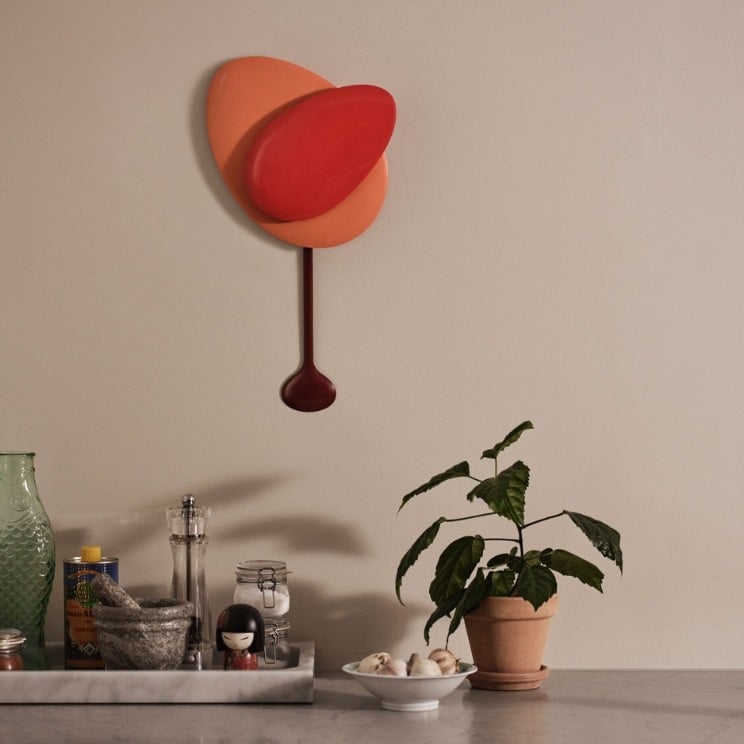
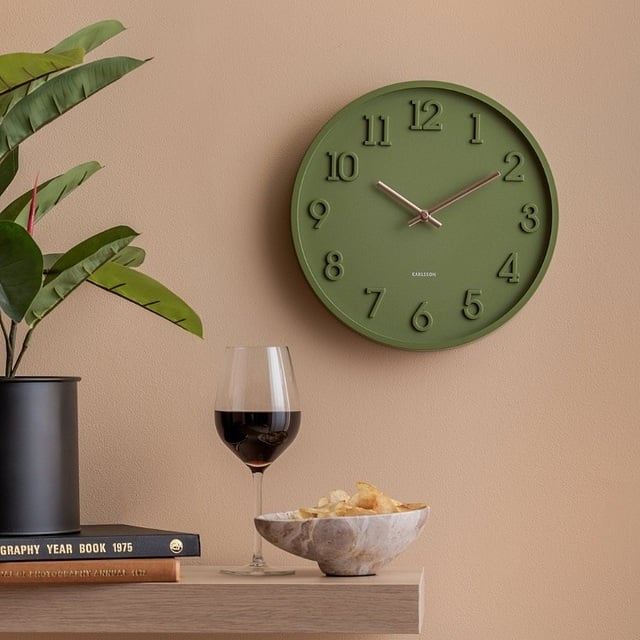


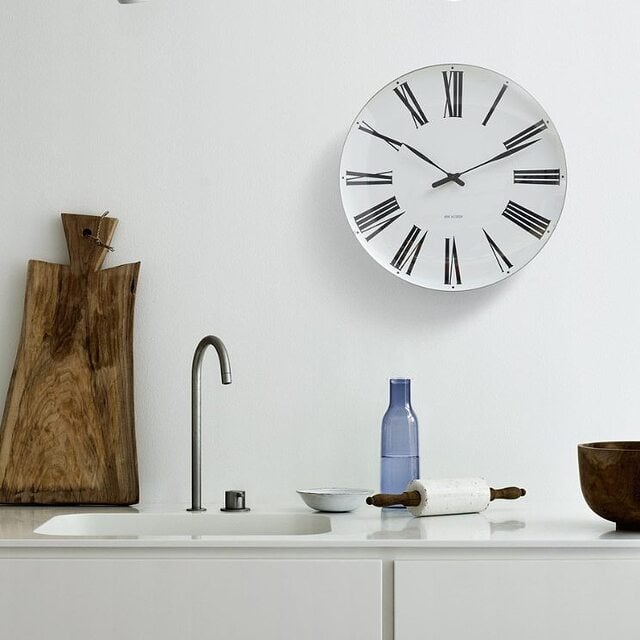


Which Kitchen Clock to Choose? A Guide to Styles and Materials
Deciding on the ideal kitchen clock might seem simple, but the world of clocks is incredibly rich and diverse. To make the best decision, it's worth exploring the available options and considering what best suits your needs and the aesthetic of your interior.
Wall Clocks for the Kitchen: Classic and Modern
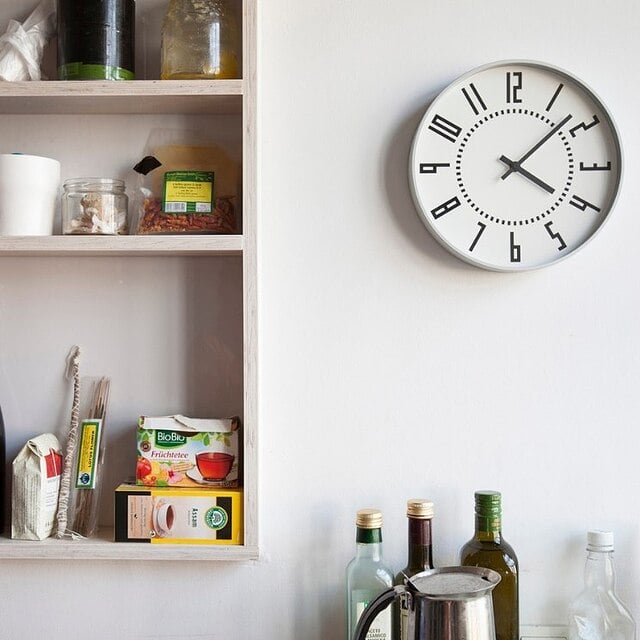
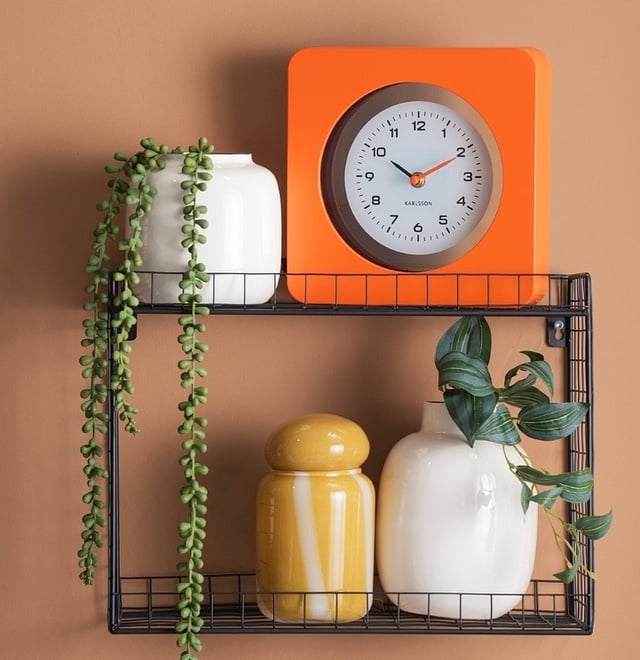
The most popular choice are wall clocks for the kitchen. They are practical, visible from anywhere, and don't take up valuable counter space. They come in countless designs, from classic, round dials with clear numbers to modern, minimalist constructions that look more like sculptures than traditional clocks. When to choose a wall clock? Whenever you have free wall space and want the clock to be clearly visible and a significant decorative element. An alternative is freestanding clocks, which work well on shelves, windowsills, or countertops, adding charm to smaller spaces or complementing a larger arrangement.
Materials that Delight
The material a clock is made from greatly influences its appearance, durability, and how it will fit into your kitchen's style. The choice is truly wide:
Wooden Kitchen Clocks:
If you appreciate warmth, naturalness, and a rustic atmosphere, wood will be an excellent choice. Clocks made of wood perfectly suit rustic, Scandinavian, and boho-style kitchens. They bring coziness and an organic character to the interior. Remember, however, that wood in a humid kitchen environment requires proper impregnation to maintain its appearance and durability for years. Their advantage is a timeless look and durability, while a disadvantage can be sensitivity to moisture and the need for care.
Metal Kitchen Clocks:
For lovers of modernity, industrial flair, and raw elegance, metal clocks will be a bullseye. Stainless steel, brass, or copper are materials that perfectly fit into loft and minimalist aesthetics. They are extremely durable, resistant to damage, and easy to clean, which is an invaluable advantage in the kitchen. Their advantage is a modern look and durability, a disadvantage – potential susceptibility to fingerprints.
Glass and Ceramic Clocks:
Glass and ceramic clocks are synonymous with elegance and subtlety. Glass, often combined with metal elements, adds lightness and modernity, perfectly suiting glamour or minimalist kitchens. Ceramics, on the other hand, offer a wide range of colors and patterns, from classic to artistic, allowing for the creation of a unique arrangement. Their advantage is aesthetics and ease of cleaning, a disadvantage – fragility.
Plastics:
This is the most practical and economical option. Plastic clocks are lightweight, shatter-resistant, and available in almost any color and form. They are ideal for modern kitchens, as well as where safety and ease of care are important, e.g., in homes with children. Modern plastics can perfectly imitate other materials, offering a stylish look at an affordable price. Their advantage is low price and resistance to damage, a disadvantage – sometimes a less prestigious appearance.
Types of Mechanisms: Silent Quartz Mechanism – Why is it So Important in the Kitchen?
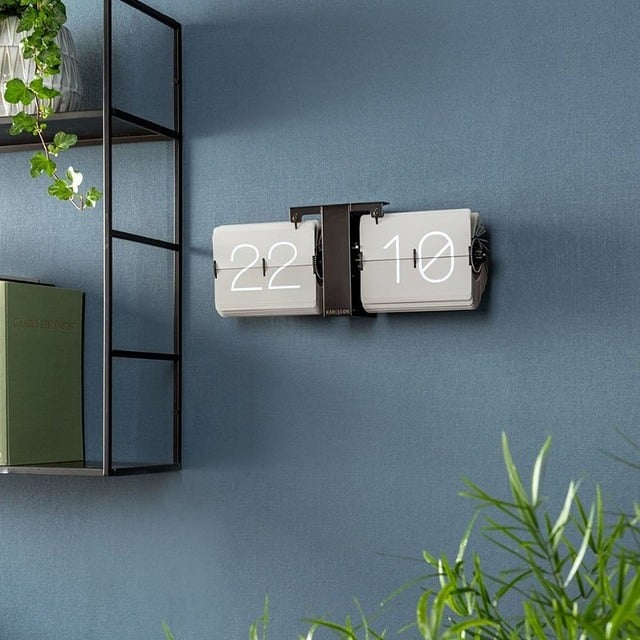
The clock mechanism is the heart of the device. In the kitchen, where there is often hustle and bustle, but at the same time we seek peace and relaxation, a silent quartz mechanism is a true blessing. It eliminates irritating ticking, allowing you to enjoy silence or the sounds of cooking. This is especially important in open-plan spaces where the kitchen connects with the living room. Analog clocks with clear hands are classic and easy to read, while digital clocks offer precise time readings and often additional functions such as a timer or thermometer.


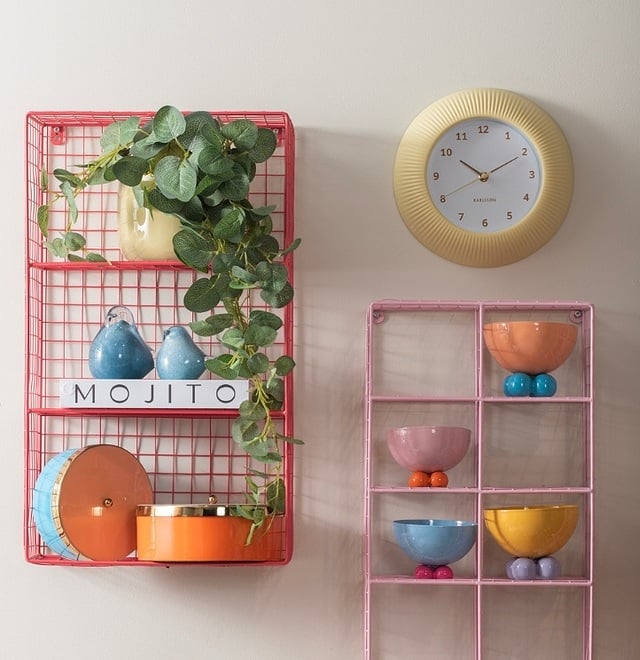


Kitchen Clock Arrangements: Inspirations for Every Style
A clock is not just a tool, but also a powerful decorative element that can emphasize the character of your kitchen. Matching it to the overall interior style is key to creating a cohesive and harmonious space. Here are some inspirations on how to arrange a clock in various kitchen styles:
Scandinavian Kitchen:
This style is dominated by minimalism, bright colors, and natural materials. Choose a clock with a simple, geometric form, in white, gray, beige, or light wood. A 3D wall clock will be perfect. The lack of unnecessary embellishments will emphasize the austerity and functionality of Scandinavian design.
Modern Kitchen:
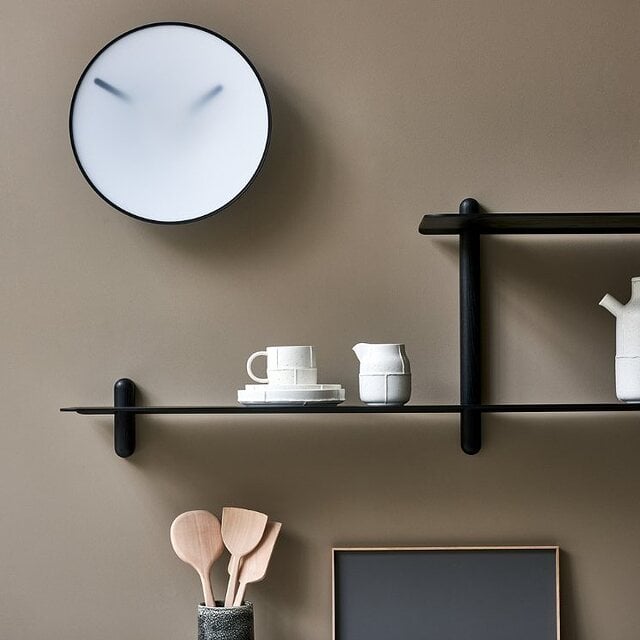
Here, simplicity, smooth surfaces, and innovative solutions are key. Opt for clocks with a futuristic design, often without traditional numbers, made of metal, glass, or high-quality plastic. Large wall clocks that are works of art in themselves will be an ideal choice. These can also be modern wall clocks.
Rustic/Vintage Kitchen:
Warmth, natural materials, and sentimental charm dominate this style. Choose a clock made of aged wood, metal with a patina effect, or with Roman numerals. Models resembling old station clocks or cuckoo clocks will perfectly emphasize the rustic character of the interior. The clock can also be part of a larger wall composition with other decorations.
Industrial/Loft Kitchen:
Raw materials such as concrete, brick, metal, and glass are the foundation. The clock should be large, distinctive, often with visible mechanisms or in a factory style. Metal frames, dark colors, and minimalist dials will be ideal. Such a clock will become a strong accent in a raw interior.
Glamour Kitchen:
Luxurious accents, gloss, gold, silver, and elegant details are characteristic features of this style. Choose a clock with a mirrored surface, with crystals, in a gold or silver frame. It can also be a model with a delicate sheen that will add sparkle and opulence to the interior. It's important that the clock is elegant and sophisticated.
Boho/Eclectic Kitchen:
This style is characterized by freedom, a wealth of colors and patterns. Choose a clock that reflects your personality – it can be a macrame model, hand-painted, made of natural fibers, or with ethnic motifs. Mix and match different textures and colors to create a unique and artistic look. Here, the clock can be a true work of art that tells a story.
Kitchen Clock Functionality: What You Need to Know?
Beyond aesthetics, the functionality of a clock is extremely important, especially in a demanding room like the kitchen. When choosing a clock, pay attention to a few key aspects that will ensure your comfort and convenience of use.
Readability: Large Numbers, Contrasting Hands – Why is This So Important in the Kitchen?
In the kitchen, we often work in a hurry, with dirty hands, or from a distance from the clock. Therefore, readability is absolutely crucial. Choose models with large, clear numbers or indices and contrasting hands that are easy to read even from across the room. Avoid clocks with overly complicated dial patterns that can make it difficult to quickly check the time. Remember that the clock is meant to serve you, not just look good.
Resistance to Kitchen Conditions: Humidity, Steam, Temperature Changes
The kitchen is an environment with elevated humidity, where steam and fluctuating temperatures are common. The clock must be prepared for this. Models made of moisture-resistant materials, such as stainless steel, glass, or properly secured plastics, will be the best choice. Wooden clocks should be impregnated. Avoid placing the clock directly above the stove or kettle to minimize its exposure to steam and grease. The advantages of resistant materials are durability, the disadvantages – sometimes a higher price.
Additional Functions: Timers, Stopwatches, Thermometers – Is it Worth Investing in Multifunctional Clocks?
Some kitchen clocks offer additional functions that can prove extremely useful. Built-in timers and stopwatches are a real treasure for any cook, allowing for precise timing of cooking without the need for separate devices. Clocks with a thermometer can help monitor the kitchen temperature, which is especially important on hot days. Is it worth investing in them? If you value convenience and minimalism, a multifunctional clock can replace several other gadgets, saving counter space. Their advantage is versatility, a disadvantage – potentially higher price and more complicated operation.
Ease of Cleaning: Hygiene in the Kitchen is Key
The kitchen is a place where hygiene is a priority. The clock, like other accessories, should be easy to keep clean. Smooth surfaces, resistant to grease and dirt, will be the best choice. Avoid clocks with numerous nooks and crannies that can accumulate dust and grime. Regular wiping with a damp cloth is essential to ensure your clock always looks aesthetic and is hygienic.
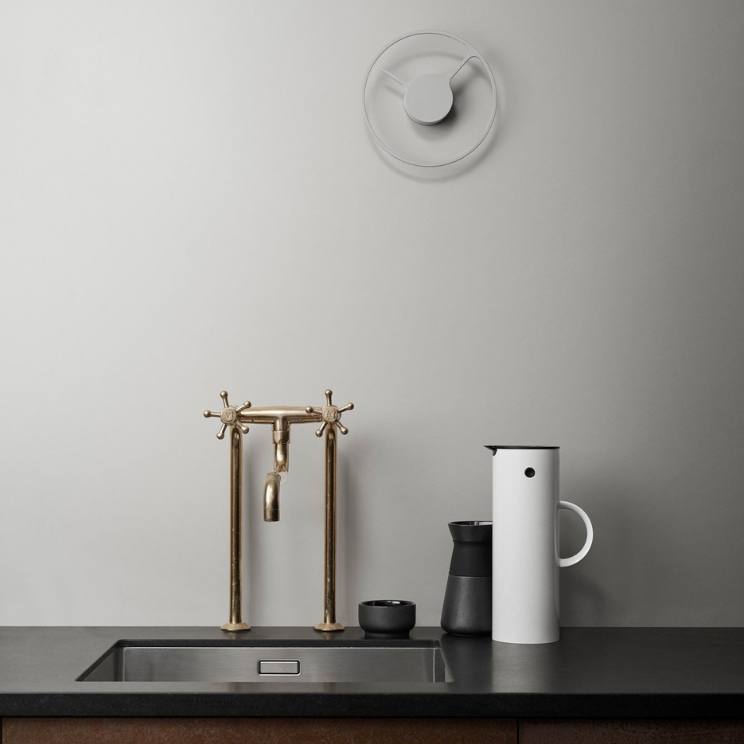
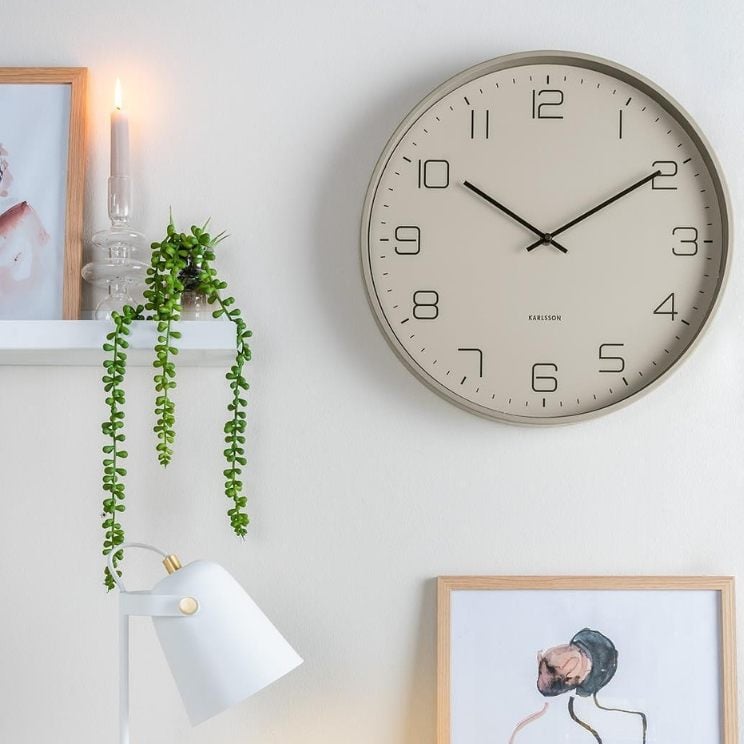


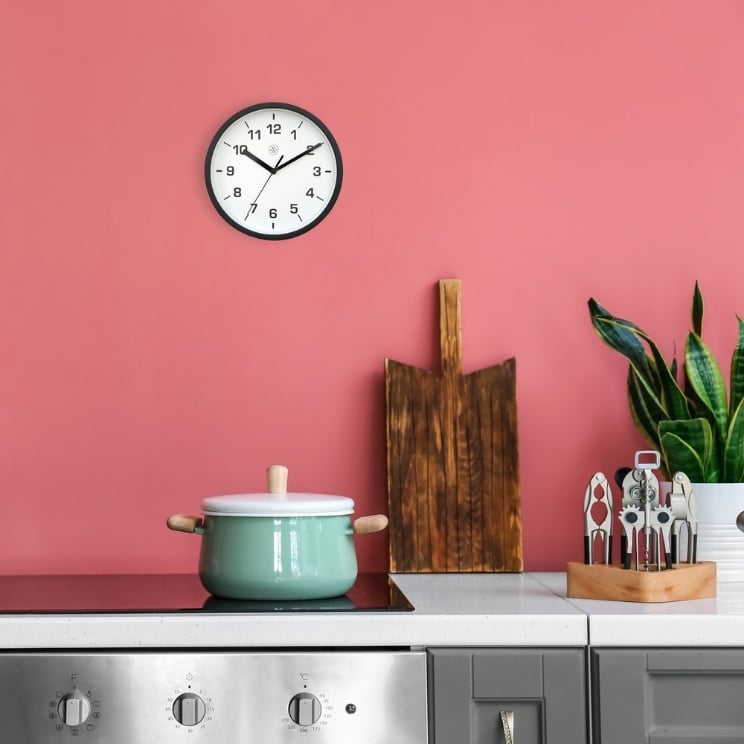
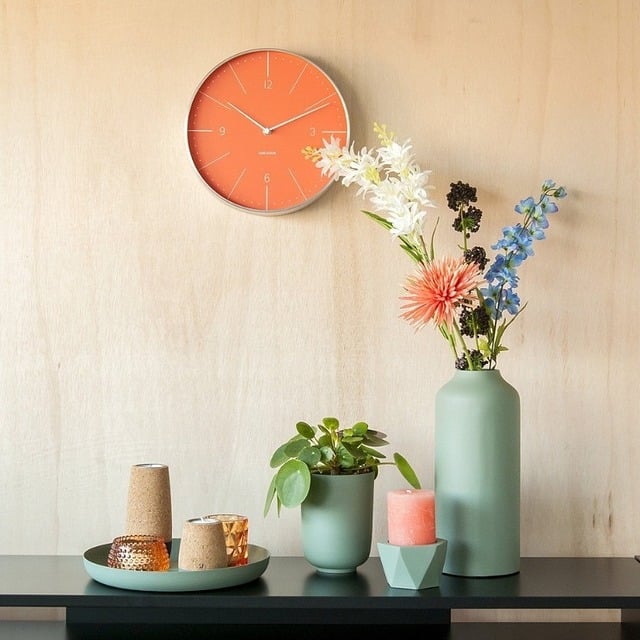


Where to Hang a Kitchen Clock? Optimal Placement
Proper placement of a clock in the kitchen is crucial for both its functionality and aesthetics. Consider where you look most often when you're in the kitchen, and where the clock will be most visible, yet safe.
Above the Table/Island:
This is often the central point of the kitchen, where the clock will be perfectly visible both during meals and while working. It will become a natural element of the composition, easy to read from anywhere.
On the Wall Between Cabinets:
If you have free space between the upper and lower cabinets, this is an ideal spot for a clock. It allows for practical use of space and ensures the clock is at eye level while preparing meals.
Near the Cooking Zone:
Placing the clock within sight of the stove or oven is extremely practical. It allows for easy time control while preparing meals, without having to turn around or move.
Avoiding Direct Contact with Steam and Grease:
Regardless of the material, always try to avoid hanging the clock directly above sources of steam (kettle, stove) or in places where it may be exposed to grease splashes. Prolonged exposure to these factors can damage the mechanism and ruin the clock's appearance. Remember about proper ventilation and distance from heat and moisture sources.
Kitchen Clocks: Good to Know
- Function: A kitchen clock is not just a practical tool for telling time, but also an important decorative element that adds character to the interior.
- Materials: Choose from wood (warmth, naturalness), metal (modernity, durability), glass and ceramics (elegance, subtlety), and plastics (practicality, damage resistance). Match the material to the style and conditions in your kitchen.
- Style: From minimalist to rustic, from industrial to glamour – the clock should harmonize with the overall kitchen decor, emphasizing its character.
- Mechanism: Opt for a silent quartz mechanism to avoid irritating ticking and enjoy peace in the kitchen.
- Care: Choose models that are easy to clean, resistant to grease and moisture, to ensure hygiene and longevity.
- Placement: Ensure good visibility of the clock from anywhere in the kitchen, while protecting it from direct exposure to steam and grease.
- Additional Functions: Consider clocks with built-in timers, stopwatches, or thermometers to increase functionality and convenience of use.
Find Your Perfect Clock and Enjoy a Stylish Kitchen
A kitchen clock is much more than just a time indicator. It's an element that can bring harmony, style, and functionality to the heart of your home. We hope this guide has helped you understand how many possibilities lie in choosing the ideal model. Remember that even the smallest detail matters in creating a cohesive and pleasant space.
Choose a clock that reflects your style and makes every moment spent in the kitchen a true pleasure. Let its presence remind you of the value of every minute spent cooking, conversing, and celebrating shared moments. It's time for changes in your kitchen! Let the clock become not only a practical tool but also a beautiful ornament that will delight your eyes and soul every day. Choose wisely and enjoy a kitchen that will always be on time!