While choosing a bread storage container might seem like a straightforward task, in practice, it turns out that depending on its shape or the material it’s made from, bread storage will occur under different conditions. That's why we’re here to show you the different types of bread bins and what to consider when choosing one.
The selection of bread bins is vast. They tempt us with various shapes, colours, and designs. And while their appearance is, of course, quite important, it’s crucial to first pay attention to a few other aspects. Right from the off, consider the size of your family and how often you buy different types of bread. This is important, not least because you’ll want everything to fit into your chosen container. At the same time, bear in mind that a bread bin takes up a fair bit of space on your kitchen counter, and you certainly don’t want it to eat into the area reserved for food preparation. Corner bins can be a good shout here.
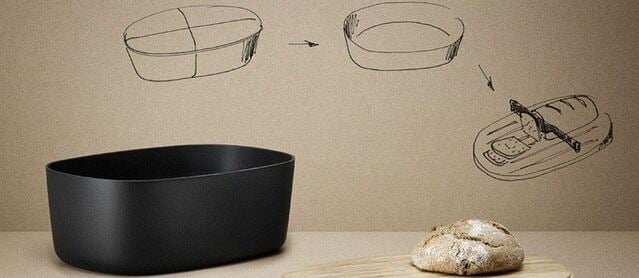
Bread bins also differ in their construction. Some of them, often referred to as bread bins with a board, have a removable lid that can often double up as a cutting and serving board, while in other cases, the lid is a movable, sliding one. Which of these types will suit you best depends primarily on your counter space arrangement and which solution you find most convenient.
What is important, however, is proper air circulation inside. That’s why some models have special vents that ensure a constant supply of oxygen. This helps prevent mould from forming on your bread. The material they’re made from is also key. Why? We’ll explain all in a jiffy.


Metal Bread Bin
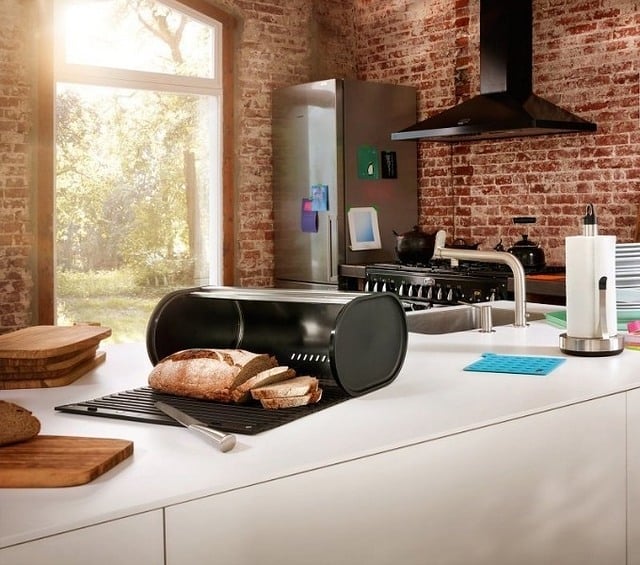
Metal bread bins, particularly steel ones, are very popular. They are relatively inexpensive, light, and durable. They are a perfect fit for modern, classic, or even retro-style kitchens. You can find them in glossy or matte finishes.
A huge advantage is how easy they are to clean with just water and washing-up liquid, maintaining their hygiene. However, they do have their downsides. Metal is prone to corrosion, and frequent contact with water can lead to rust. Furthermore, such a bread bin shouldn't be placed near the hob or close to a window where strong sunlight hits it. Why? Because steel is susceptible to temperature fluctuations, and an increase in temperature negatively affects the taste of the bread.




Wooden Bread Bin
Wooden bread bins are considered more eco-friendly and natural. They've graced our kitchens for ages, and for good reason. Not only do they look smashing, but they also maintain optimal humidity and temperature inside. To achieve such conditions in a metal container, you’d have to keep your bread in cotton cloths or bags all the time.
But while metal bread bins were easy to clean, the same can’t be said for wooden ones. You can't wash them under running water or use harsh cleaning agents. It's best to wipe them with a cloth, which isn’t always sufficient. Moreover, wood easily absorbs moisture, and all sorts of stains, which are common in a kitchen, are visible on it. So, which bread bin is better: wooden or metal? As you can see, it's hard to give a definitive answer, as each has its pros and cons.

Bamboo Bread Bin
Bamboo bread bins can be an alternative to wooden containers. They combine the advantages of both previous versions – they naturally provide proper air circulation, thus keeping bread fresher for longer, and at the same time, they are resistant to damage, don't deform, and are easier to clean.
It might seem like a perfect choice. However, it does have one drawback – the high price. Although, it must be taken into account that this is an investment that will last for years.
Ceramic Bread Bin
You’ll also find ceramic bread bins in shops, which are enjoying increasing popularity. They are easy to clean, don't react with the stored bread, and that's not all their advantages. They are resistant to corrosion and don't absorb moisture or odours. Furthermore, bread kept in ceramic containers doesn’t dry out too quickly.
However, it must be borne in mind that ceramic bread bins are heavy and easily broken. Even a small bump can cause damage to the container, and for this reason, many people consider them impractical.
Plastic Bread Bin
Plastic bread bins are the cheapest. They are lightweight, relatively durable, and easy to clean. But they are also... rather unappealing. Moreover, they don't provide sufficient air circulation, and bread stored in them quickly goes off. Therefore, we advise against buying them, unless they are equipped with a ventilation grid.
How to Match Kitchen Bread Bins to Your Decor?
Once you’ve settled on the material for your bread bin, you can then ponder which design will best complement your kitchen. And you really are spoilt for choice, so do take a good look through the offerings.
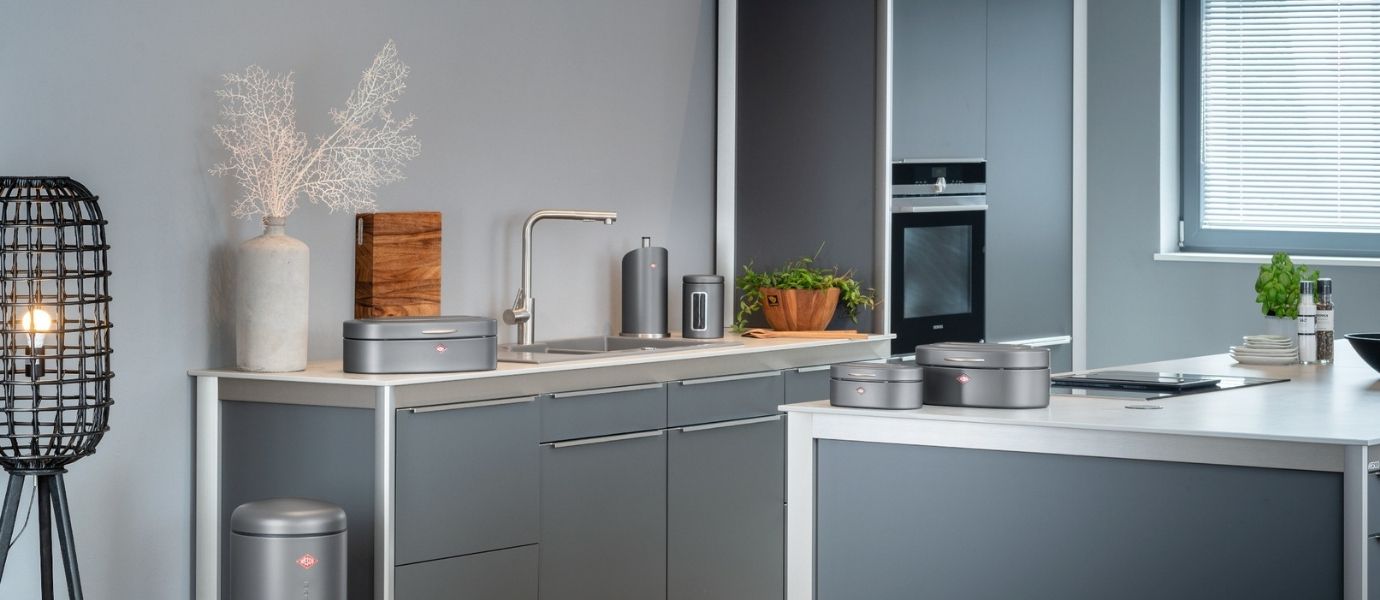
Modern bread bins will suit minimalist kitchens. These are most often metal models, which can have a stark, simple construction or, quite the opposite, boast original shapes, resembling, for example, a grill.


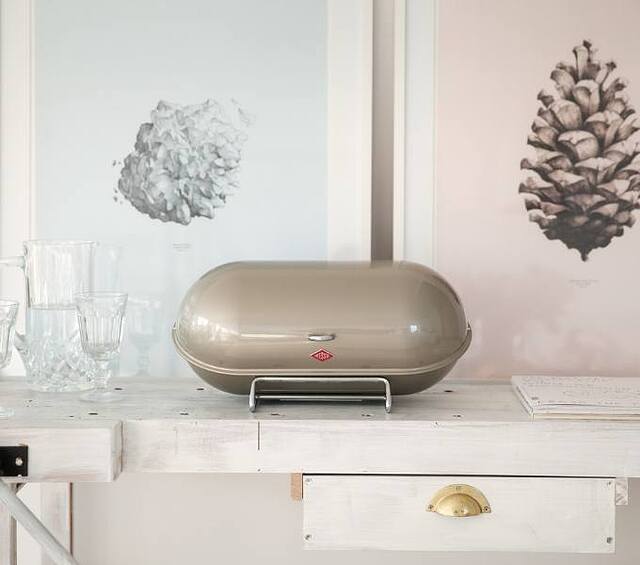


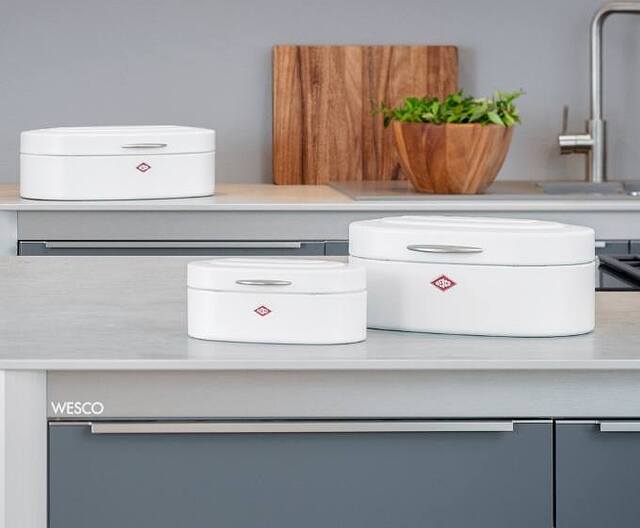
Retro bread bins, with decorative handles and text (usually 'Bread'), are also rather popular.


Both black bread bins and white bread bins suit the Scandinavian style – it all depends on the colour scheme of your accessories. In this case, wooden bins with a board, which have a very natural look, also take pride of place.



Brabantia Bread Bins – Bestsellers Among Bread Storage Containers
If you’re after a tried and tested solution, go for a... legendary bread bin – that’s precisely how Brabantia bread bins can be described.
White and black Brabantia bread bins are the most popular, owing to their versatile and elegant character. To match your dream bread bin, choose colour-coordinated Brabantia kitchen storage containers, which are also considered kitchen equipment bestsellers.
Also, check out other Brabantia kitchen accessories.


Check out FA Magazines that might interest you:
>>> What to do with stale bread?
>>> How to store bread to keep it fresh for as long as possible?