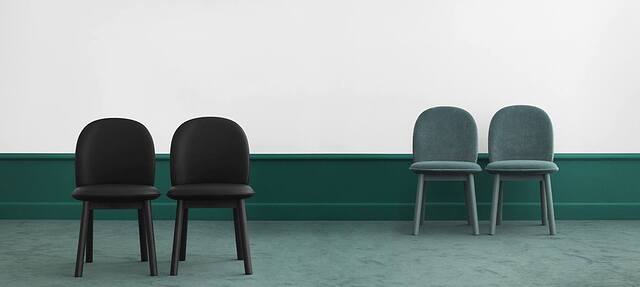
Four legs and a comfortable backrest – that's the simplest way to describe the single-seater furniture found in every home today. However, not everyone knows that the humble chair has an intriguing past, and some models have even made history, gaining worldwide fame. A few words about the chair – happy reading!
From Palaces to Cottages
The history of the chair stretches back to antiquity. Back then, chairs and armchairs were nothing like today's versions – they were mostly stone benches, sometimes carved in the shape of a throne.
Medieval chairs could be found in courts and churches, and important officials sometimes sat on them. They only became standard household items in the 16th century, and during the reign of Louis XVI, they began to be elaborately decorated. Today, they are the focus of renowned and respected designers who draw on historical forms in their projects. The richly decorated, Baroque-style Proust armchair by Alessandro Mendini is an example of this very historicism.


The Chair as a Design Icon
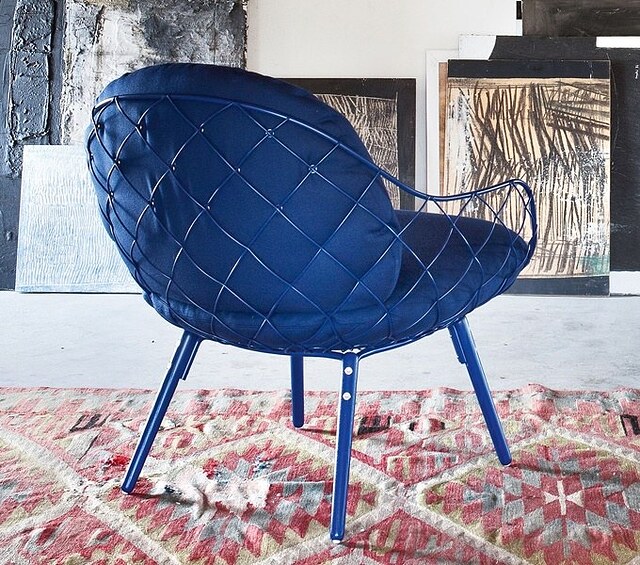
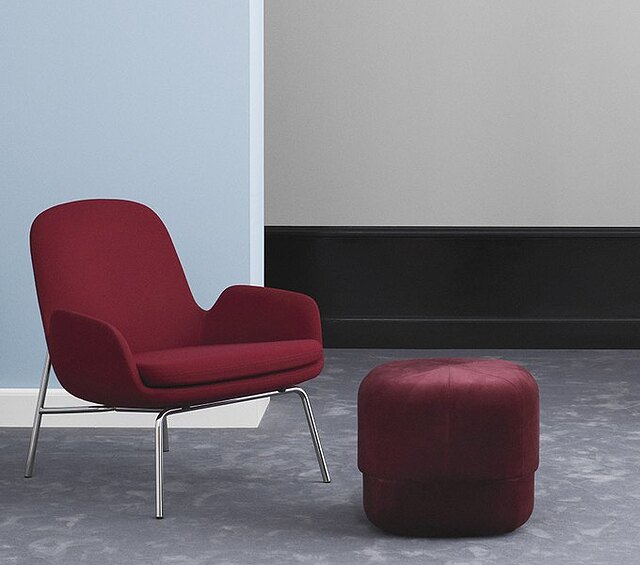
For centuries, chairs were mainly made of wood, which required laborious manual processing. In the 20th century, design visionaries had access to tools that meant artisanal talent was no longer essential for crafting a seat. What's more, technological advancements also allowed them to use entirely new materials. So, they began to experiment with plywood, stone, glass, plastics, and even leather. Their modernist experiments often left people utterly flabbergasted. They astonished, then delighted, and finally became objects of desire.
The chair, from a purely functional item, became a characteristic element of style...
Among the icons of design, we should mention the transparent Louis Ghost chair, designed by the famous Philippe Starck for the Kartell brand. It's crafted from lightweight polycarbonate, giving it a delightful subtlety imbued within a form that harks back to the Rococo style of Louis XV's era. Its appearance, however, is thoroughly modern and fits perfectly into any arrangement. With it, both residential interiors and elegant workplaces take on a unique character.
The innovative Oh chair, designed by Karim Rashid, is a fantastic blend of classic and modern. The comfortable, gracefully shaped seat is perched on simple legs, and its dynamic colour scheme will satisfy those seeking unconventional solutions.
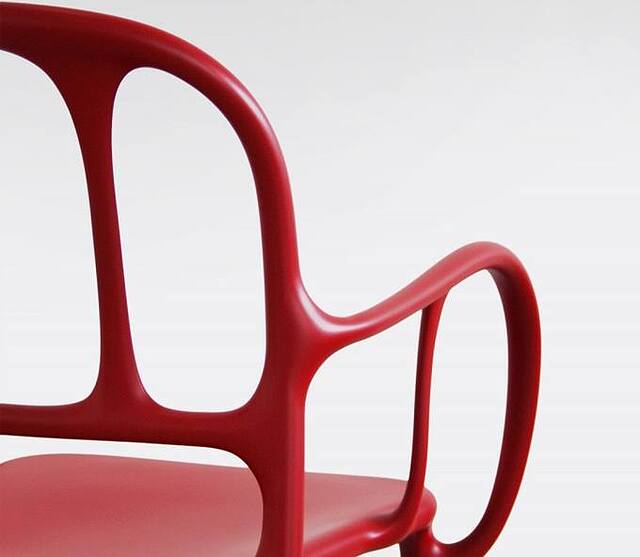
Every designer chair is a small masterpiece, combining original form with functionality.
Meanwhile, Chair One is a classic of its kind: a chair designed in 2004 by Konstantin Grcic for Magis. It particularly captivates with its bold, distinctive shape and an unusual combination of aluminium with an openwork form. This is an example of a designer piece of furniture that will transform any interior. It looks best in minimalist and modern arrangements. Chair One is available on a swivel base, as well as in the form of a bar stool with a concrete base instead of legs.
For enthusiasts of innovative solutions, there are also the wild designs of Verner Panton, as well as the functional chairs by Arne Jacobsen – innovative, versatile, and therefore timeless.


The Chair in an (Un)usual Role
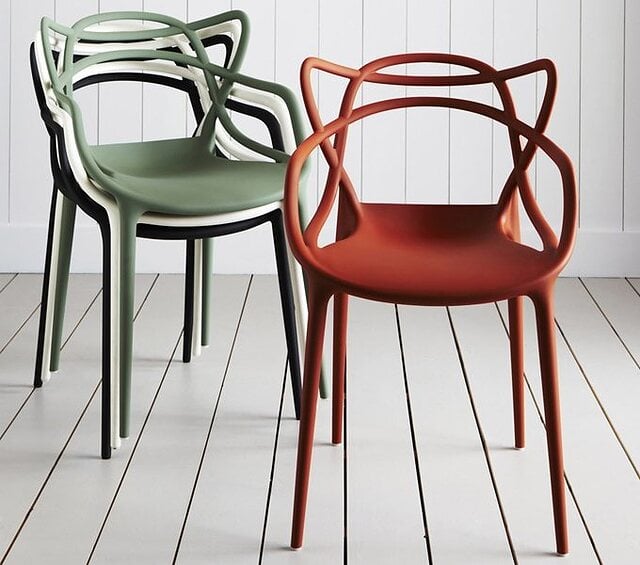
We often hear that the kitchen is the heart of the home. Perhaps it is, as long as there's a table surrounded by chairs. After all, it's there that we gather with loved ones, celebrating shared meals. We chat for hours, sipping coffee with a friend. We discuss family matters, make decisions, solve problems. According to linguists, the word "chair" comes from a Proto-Indo-European word meaning to weave, twist, or turn something, in short, to connect. The meaning of the word also aligns with a belief system, suggesting that a chair could, in some sense, "weave together" the people who sat on it.
While we probably rarely look at a chair from this perspective, it is precisely by sitting next to each other on chairs that we build relationships and bonds. Perhaps today, instead of silently spending the evening on the sofa in front of the television, you'll invite your loved ones to gather around the table?
Ah, these chairs!