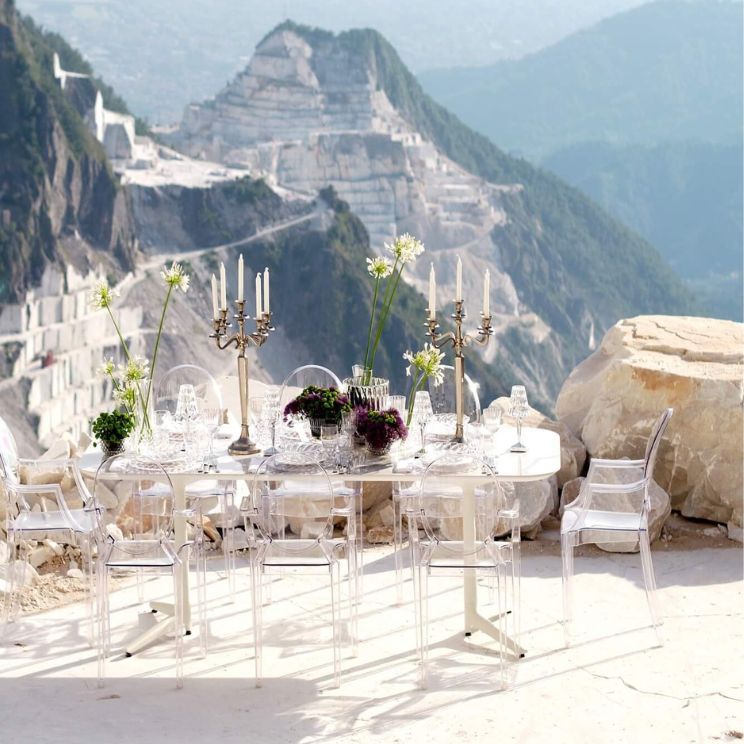
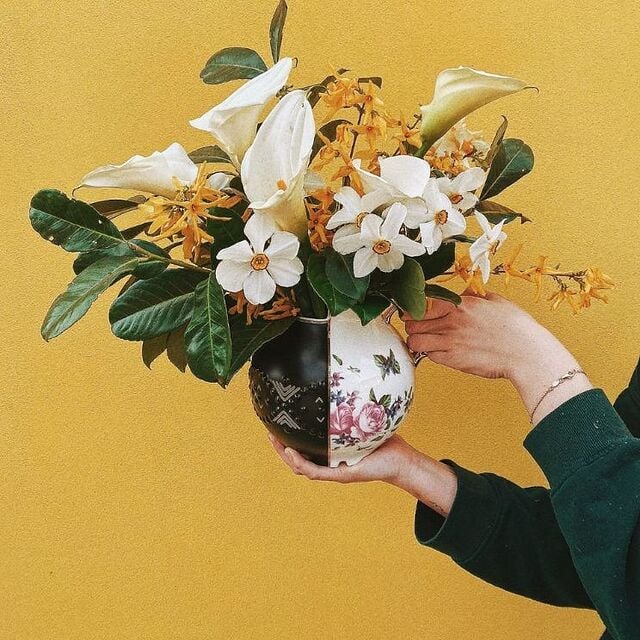
Maximalism is back – but in a completely new form. It's not a return to overloaded interiors, but a manifesto of individualism. This style puts the personality of the residents at its core and celebrates objects with a story. Discover how to create a space where every detail matters – and speaks volumes about you.
Maximalism in a New Guise
For years, minimalism set the tone in interior design. We yearned for arrangements where we could catch our breath from the multitude of stimuli and simply relax. There was talk of quiet luxury and spaces full of light, where form followed function. However, imperceptibly, all homes began to look alike: filled with light colors, rounded shapes, and soft fabrics. In 2025, minimalism remains an important trend, but a new, intriguing one is appearing on the horizon: personal and conscious maximalism. Its goal? To create an interior that reflects your personality.
Design Principles in the Spirit of New Maximalism
Of course, in this version, maximalism doesn't mean a return to the excess of the 90s. Instead, it proposes something different: aesthetic courage combined with mature selection. Here are a few principles that define this style.
- Your story is paramount. Individualism is at the center. Maximalism rejects impersonal arrangements and promotes interiors that say something about the owner. It's a space that not only pleases the eye but also reveals the passions, experiences, and character of the resident.
- Careful selection. It's not about accumulating as much as possible, but about choosing consciously. Every element should have its 'why' – it could be a story, an emotional connection, or artistic value.
- Contrasts that harmonize. Maximalism loves diversity, but not chaos. So, boldly combine seemingly mismatched things: old with new, elegance with humor, high art with everyday life. Mix styles and patterns, break the mold.
- Quality, not quantity. Contrary to popular belief, maximalism isn't about buying more, but better. Focus on durable, original, and unique items. It could be a handcrafted piece, vintage with a story, or modern design with soul – the important thing is that it has meaning.


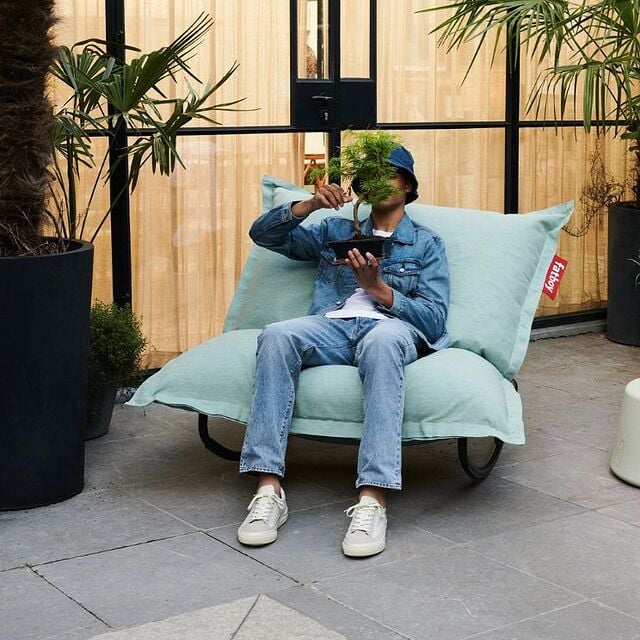
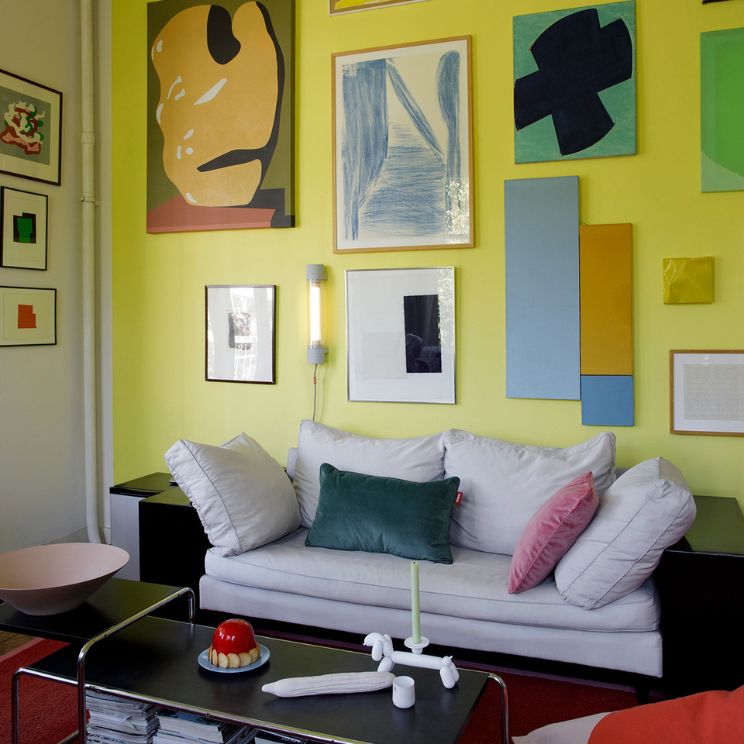


Statement piece: one item that says it all
In maximalism 2.0, it's not about filling a space with decorations, but about choosing one element that takes the lead. A so-called statement piece is the focal point of the interior – an object that immediately catches the eye, evokes emotions, and stays in memory. It can be surprising or beautiful, bold or funny – the important thing is that it has personality.
Such an object serves more than just an aesthetic function. It sets the tone for the entire arrangement, often becoming its heart. It can be a story about your roots, travels, tastes, or memories. Thanks to a statement piece, the interior gains depth and layering – it becomes not only beautiful but also meaningful.
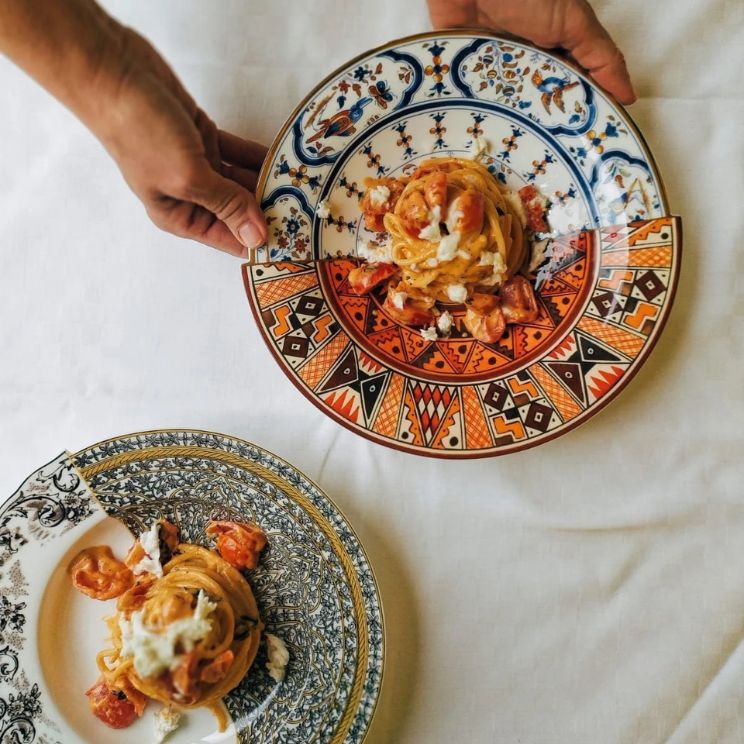
It doesn't have to be anything obvious or overwhelmingly large. Instead of a large sofa in an intense color, you might choose hand-painted, vibrant ceramics brought back from an unforgettable trip to Morocco, a vase that delights with its form, or a bowl where fruits will look like small works of art.
Seletti – Maximalism with a Sense of Humor
A perfect example of a brand that understands the idea of a statement piece is the Italian company Seletti. Their products balance on the edge of design and humor: monkey-shaped lamps, pop-art themed plates, distorted porcelain from the Diesel Classics on Acid series – all of this not only attracts attention but also evokes emotions and provokes a smile. Seletti combines aesthetics with irony, luxury with absurdity – making them an ideal ally in creating interiors with character.
Introducing one bold element into a space can completely transform its expression. Sometimes, that's all it takes for an interior to truly come alive.
Storytelling in the Interior
A modern interior doesn't just have to be pretty – it should say something. The trend of storytelling in design assumes that every item we surround ourselves with at home carries a story. It could be a lamp inherited from grandma, a poster from your first concert, a stone from a mountain hike, or a book that changed your way of thinking.
These are not random decorations – they are elements of the space's biography. A well-designed interior becomes a map of your experiences and emotions, not just a stylish composition. That's why it resonates so well with the new version of maximalism: it's not about more objects, but about more meaning.
When creating an interior in the spirit of storytelling, don't ask if something fits. Ask: does it say something about me? And can it move someone else who sees it? This is a home as a narrative – unpredictable, alive, and absolutely personal.




Color Psychology: The Power of a Single Accent
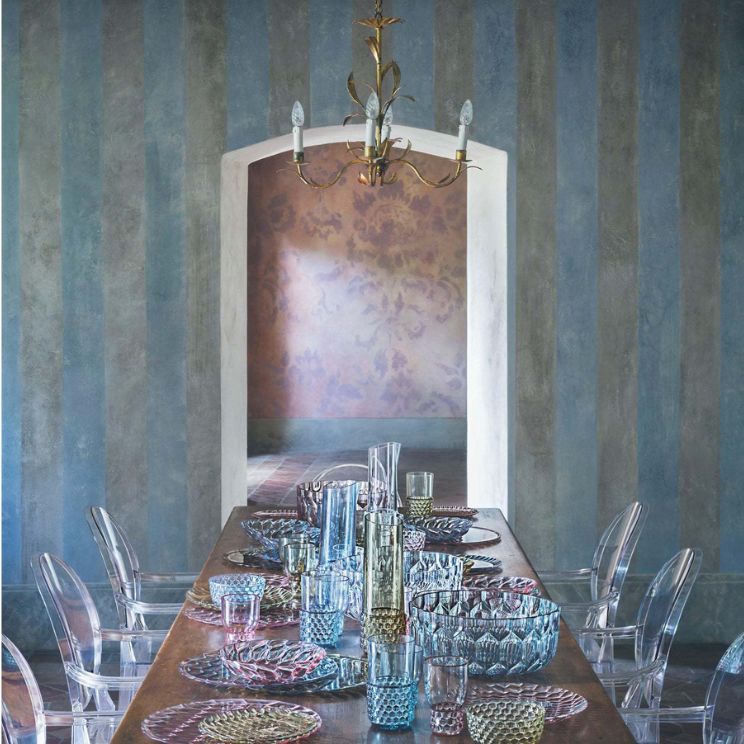
Minimalism accustomed us to bright, soothing colors. In neo-maximalism, it's not about every wall being different, but about consciously introducing a color accent that breaks the neutrality and breathes life into the arrangement.
A so-called pop of color, or introducing a dose of intense color against a neutral background, acts like a visual exclamation mark. A single intense shade can liven up a calm interior, add character, and create a focal point. Color psychology shows that different colors evoke different reactions:
- Terracotta – warm and earthy, associated with safety and nature, great for living rooms and dining rooms.
- Ultramarine – deep, saturated, elegant. Adds originality and artistic expression.
- Deep green – calming and timeless. Promotes concentration, brings a sense of peace and class to the interior.
In 2025, colors become a tool for telling your story – the shade you choose says more about your personality than you might think.
Mini-Guide: How to Introduce Color Without a Revolution
Fortunately, to introduce color into your interior, you don't have to paint the walls. Here are a few proven places to start adding color to your home:




Eclecticism: The Art of Controlled Chaos
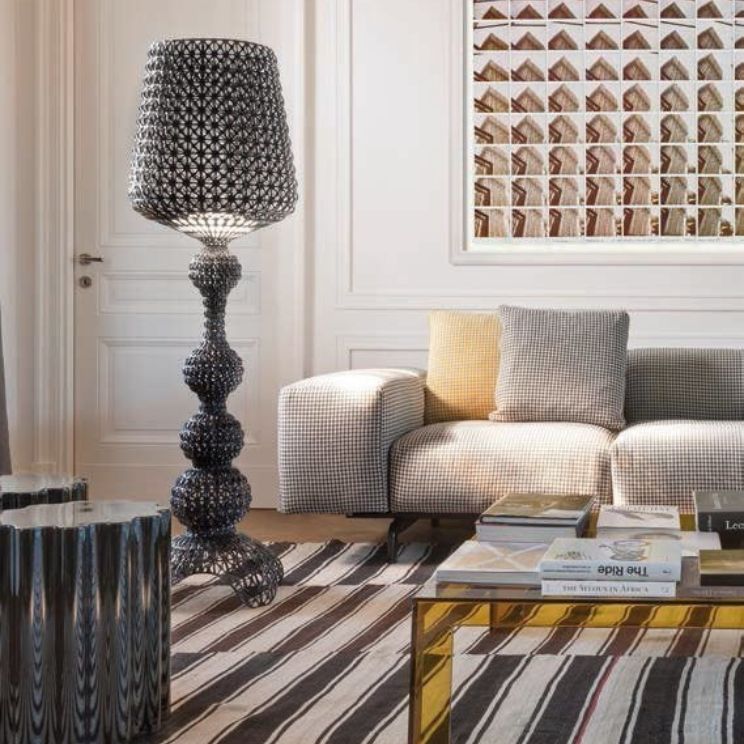
Eclecticism is a natural ally of maximalism. According to designers, it's one of the most challenging yet exciting approaches to interior design, as it requires knowledge of rules that can then be broken. Eclecticism involves combining things from seemingly different worlds – styles, eras, cultures, materials – in such a way that they together form a harmonious, albeit unconventional, whole. In 2025, this trend is experiencing a renaissance. It's a response to the need for self-expression not through uniformity, but through conscious clashing of contrasts.
However, this doesn't mean chaos. Quite the opposite – successful eclecticism is underpinned by very specific rules that allow for balance and aesthetic sense to be maintained.
How to Add a Pinch of Eclecticism
- Cohesive color palette. Regardless of the styles you combine, color is the foundation. Choose 2–3 dominant colors and stick to them across various elements of the interior – from furniture to details. These will tie everything together and give rhythm to the arrangement.
- Repeating textures and materials. If you repeat, for example, velvet on an armchair and cushions, or brass on a lamp and handles, elements representing different styles will gain visual cohesion.
- Mind the proportions. Eclecticism works when weights are balanced, and the eye can smoothly move around the interior. Play with style, but don't combine large, massive furniture with overly light pieces. Such an interior would have too much grotesqueness.
- Break, but don't shatter. Not every item has to match – but each must have a reason to be in your interior. Good eclecticism is not a random collection, but a composition that says something.
Gold and Silver?
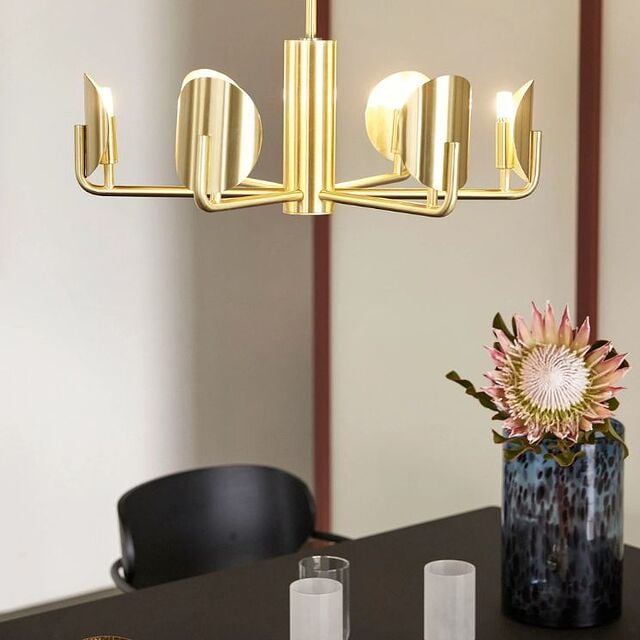
Mixing metals is one of maximalism's favorite tricks – but it requires finesse. The key lies in tone and finish:
- Combine brushed gold with matte silver, and avoid shiny, contrasting shades.
- Maintain consistency in temperature – combine warm gold with warm brass, and cool silver with nickel or steel.
- You can also connect both metals through a connector – for example, black steel as a transitional element that allows them to coexist without visual discord.


Maximalism That Makes Sense
Interiors in 2025 are no longer about catalog order or exaggerated extravagance. They are personal spaces where every detail matters. The new maximalism doesn't want to fit into trends – rather, it wants to create them on its own terms. It's a style for those who want to live consciously, boldly, and with heart.
Your own interior doesn't have to be perfect – it has to be real. After all, its inhabitants are the main characters in it.