The living room is a room with many faces. When we want it to be, it's a place to unwind after a long day at work. Other times, it becomes a home cinema or a playground where imaginative buildings and structures are created. It can also transform into a sophisticated restaurant when we host family and friends for a delicious lunch or dinner. The living room can also successfully serve as a quiet reading nook, where you can comfortably immerse yourself in a captivating book. Many tasks for one room, right? In this Magazine, we'll tell you how to choose lighting for your living room.
Living Room Lighting – Diverse Functions and Possibilities
For living room lighting to fulfil each of its roles effectively, thoughtful design is absolutely essential. As the living room is typically one of the largest rooms, you can afford to incorporate several types of lamps – statement chandeliers, accent lights for reading or highlighting decorative objects, floor lamps, and atmospheric bedside lamps will all prove their worth. Thanks to these, it’s easy to create an atmosphere conducive to relaxation or evening conversations in the living room.
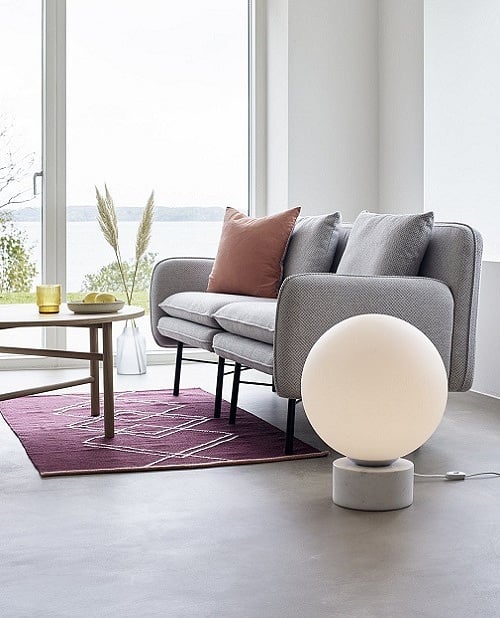
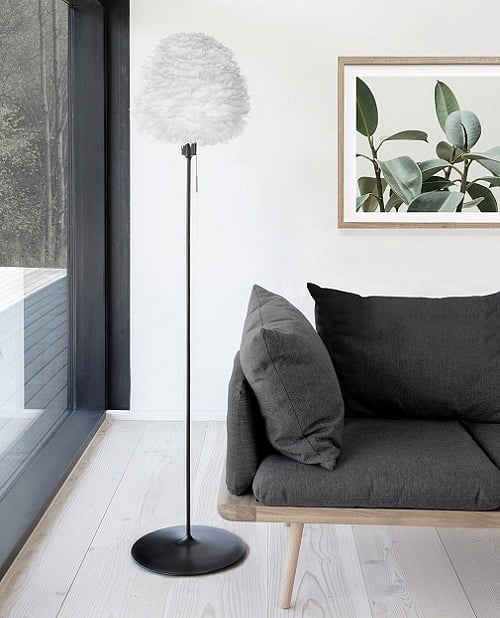
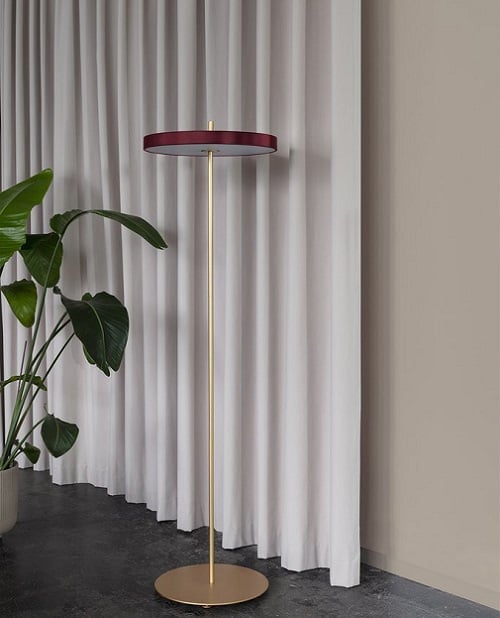


Main Lighting – Everything You Need to Know to Find the Perfect Solution for Your Living Room
A living room lamp – whether modern or classic – must primarily match the style and character of the interior, although sometimes mixing and matching items from 'completely different worlds' can also lead to an excellent, unique effect. However, sticking to generally accepted rules, it must be said that, for example, industrial lamps will look better in modern, minimalist living rooms, where metal, glass, and wood reign supreme, rather than in a cosy room furnished with classic furniture, soft fabrics and cushions, pastel, warm colours, and natural accessories.
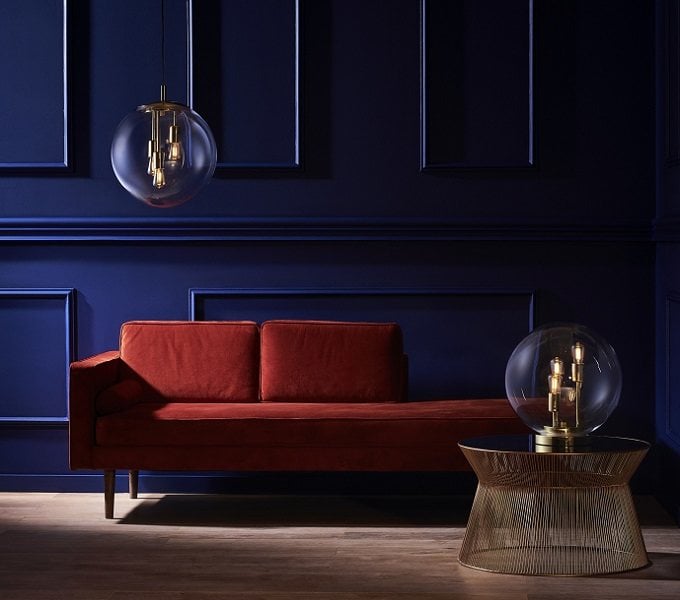
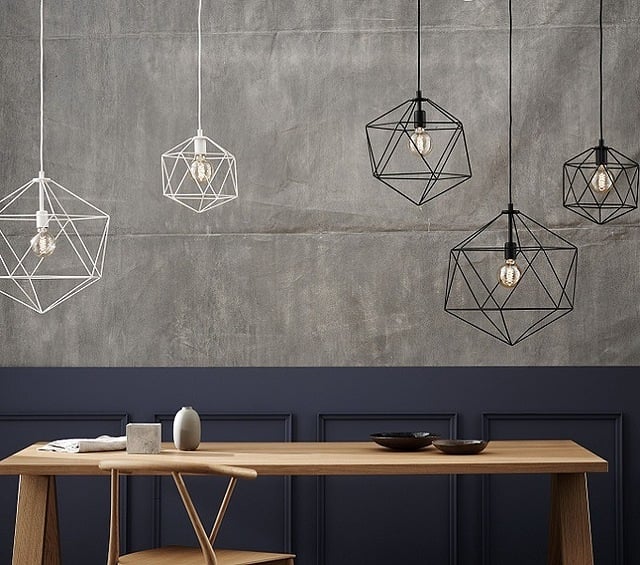


The appearance of a living room lamp, however, should not be the sole deciding factor. Many other things need to be taken into account, such as the characteristics of the room itself, its shape, and finally, its main purpose. What you need to pay attention to is the size of the living room, the planned number of lighting zones, the preferred light colour, and finally, whether the chosen lighting products will be sufficient to achieve the desired effect.
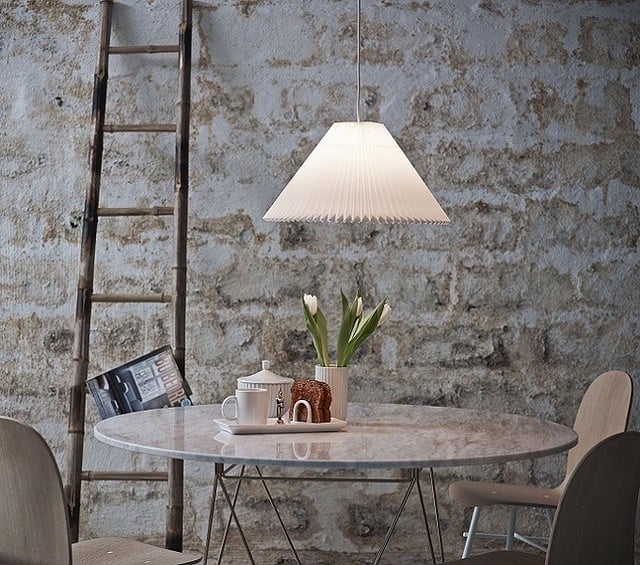
As for the number of lighting zones, each will require slightly different solutions. Above a large table, which is often a feature of a living room, it's a good idea to plan for pendant lamps for the living room. Thanks to them, eating meals, doing homework, working on a computer, or drawing and reading books together can all take place in comfortable conditions. It's important that the light bulbs we choose for the lamp above the table provide sufficiently bright light.
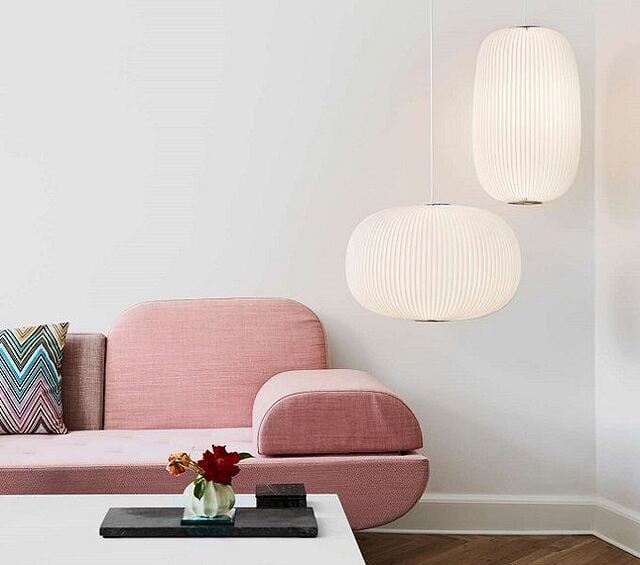
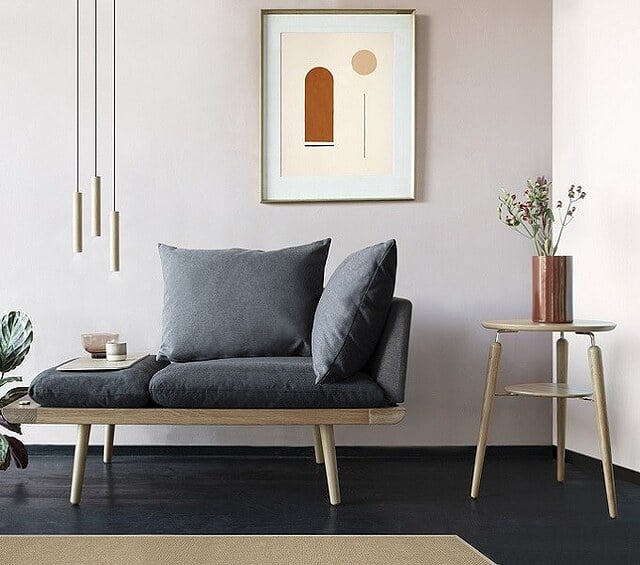


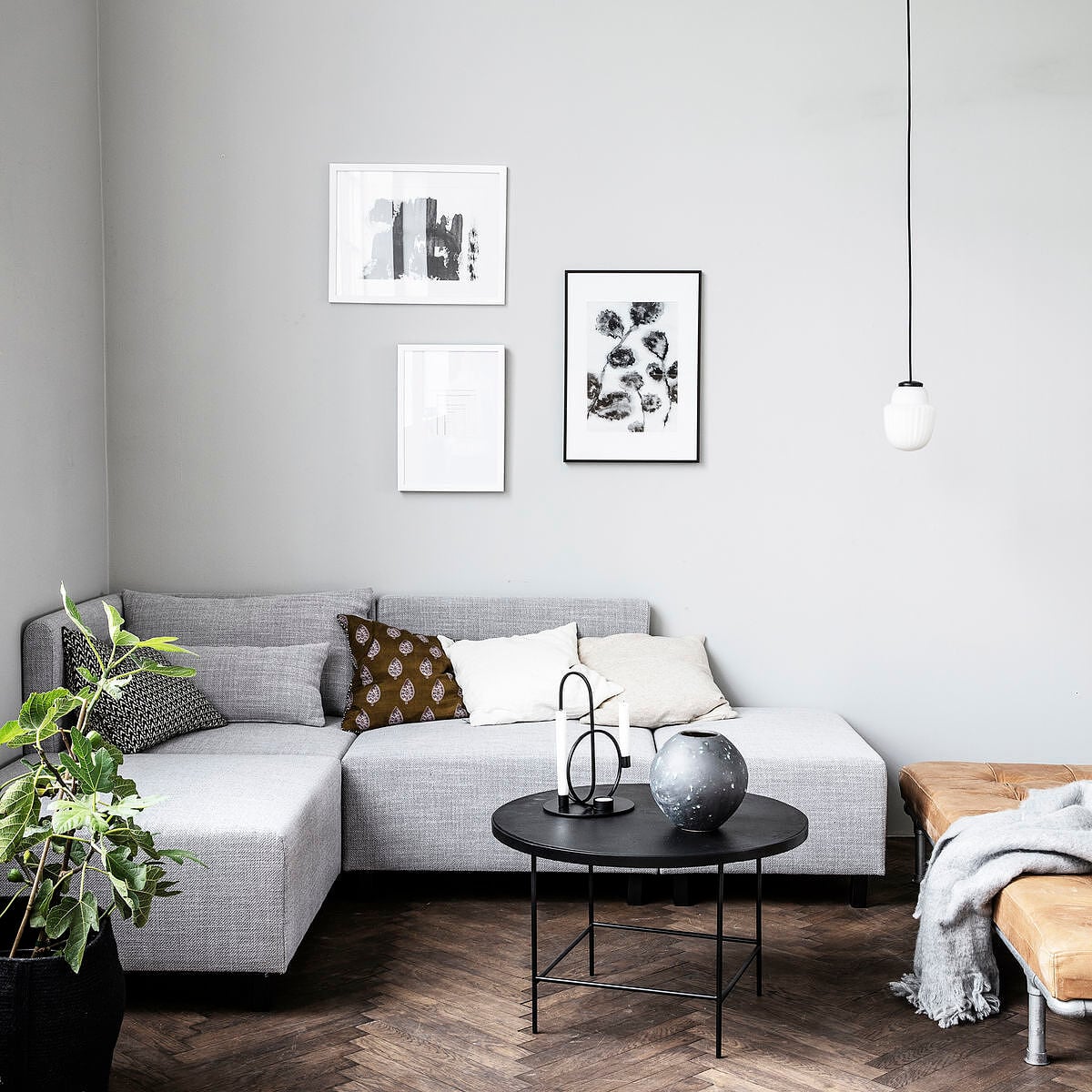
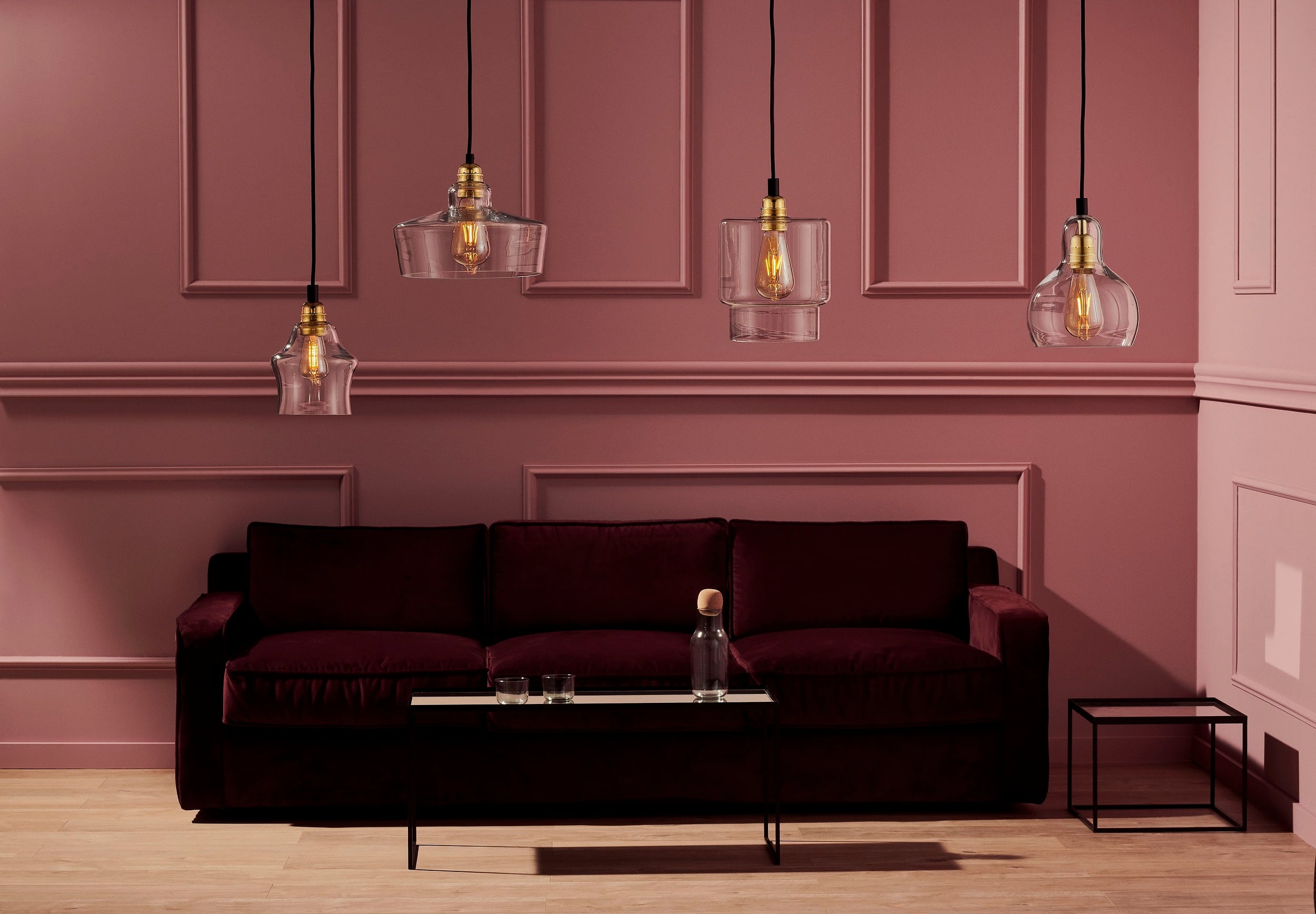
As for other uses of a hanging living room lamp, the lounge area certainly deserves a mention. In the corner where lounge furniture such as a sofa, armchairs, corner sofa, pouffes, and a coffee table are located, it's worth opting for really beautiful lighting to make spending time in this zone as pleasant as possible and associate it with nothing but good feelings. Decorative lampshades are indispensable here. The choice is truly vast and incredibly diverse.
For lovers of palatial decor, candelabra chandeliers, with bulbs shaped like candles, can prove to be an excellent proposition. They are extremely decorative and create a very cosy, atmospheric ambiance in the living room. On the other hand, a modern living room lamp, made of shimmering metal and featuring a geometric shape or a lampshade resembling blooming flowers, can create very interesting lighting effects on the walls and ceiling.
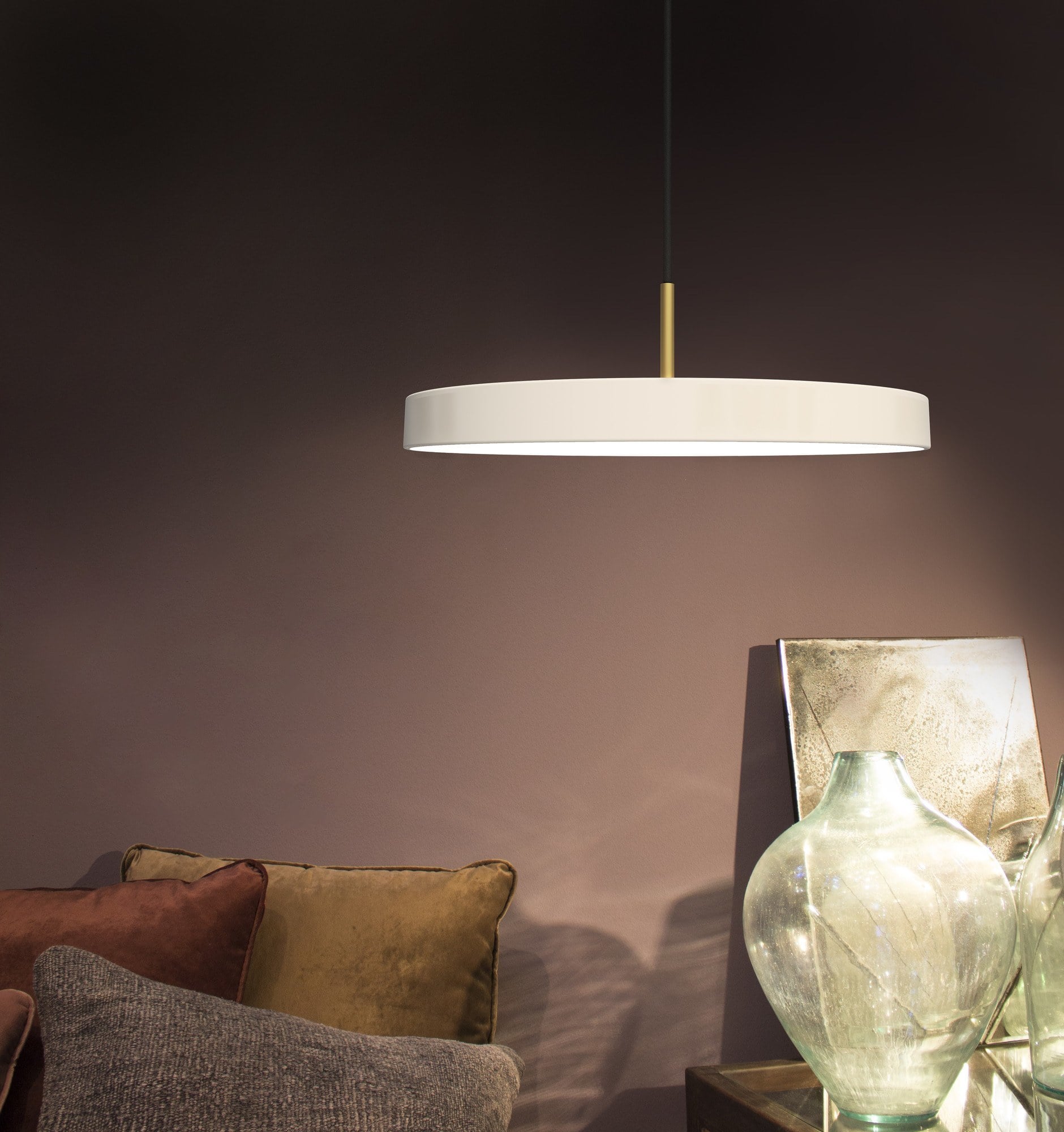
When it comes to choosing light bulbs, the most important thing is that the intensity and colour they emit are matched to the specific lighting zone. Where we will be relaxing, it's better to install warmer bulbs of not too high wattage. Conversely, above a table or in other areas where we happen to work, read books, or perform tasks requiring precision, we should think about clearer, stronger lighting. A ceiling lamp for the living room is undoubtedly one of the most important elements of this room's decor. Appropriate accessories complement its character.


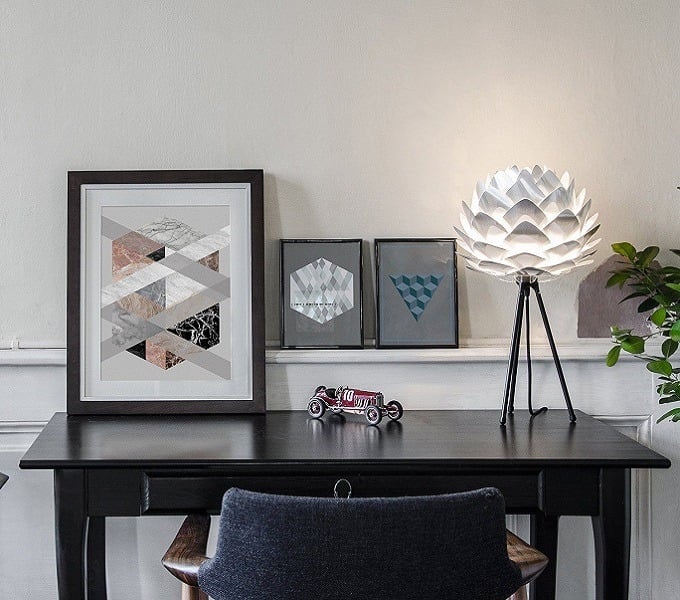
Tip
Floor and Table Lamps for the Living Room – How to Skillfully Utilise Their Potential?
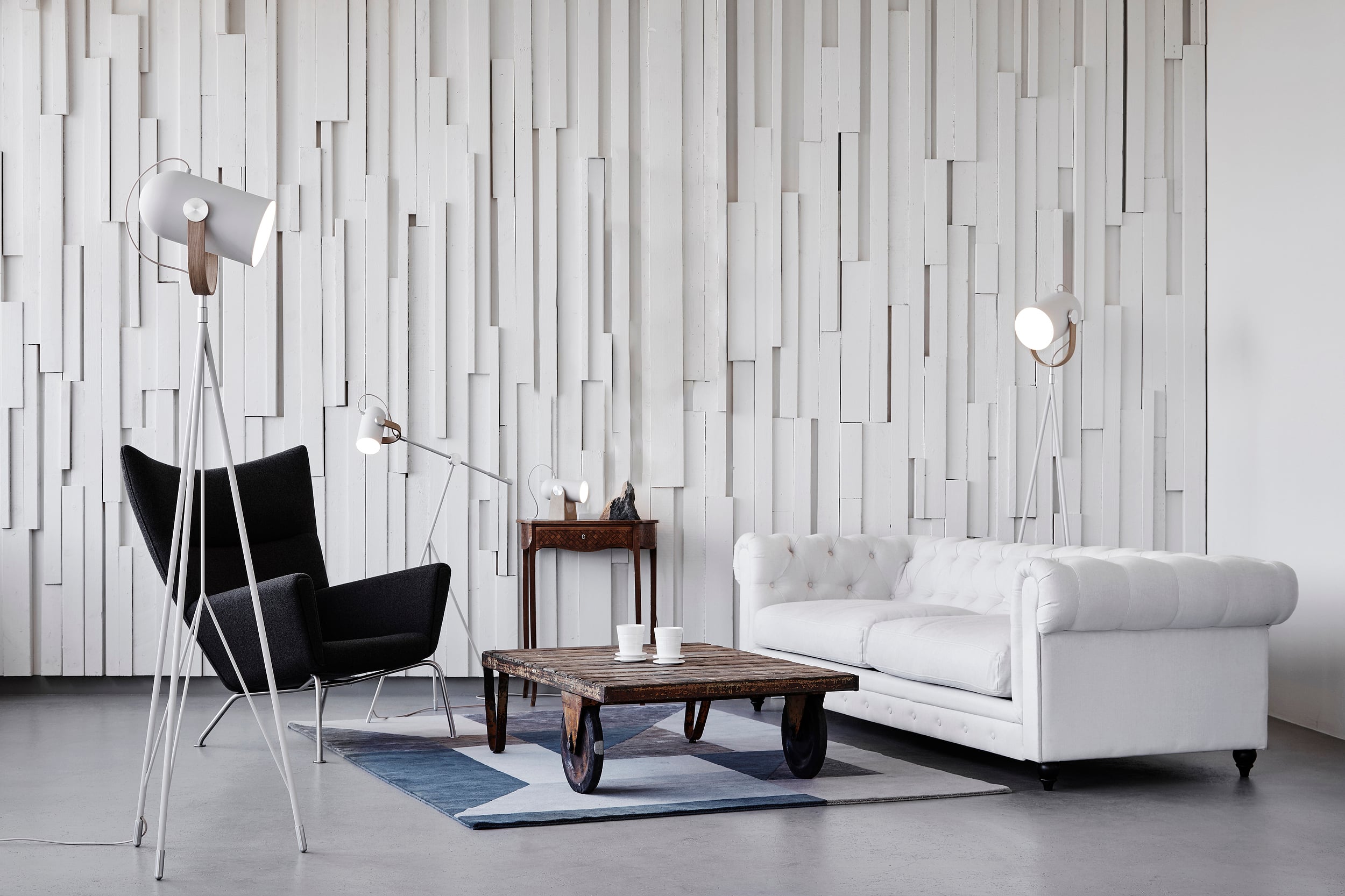
Floor lamps for the living room are most often found next to armchairs, chaise lounges, sofas, corner sofas, and other lounge furniture for good reason. They typically emit a soft, eye-pleasing light, perfect for flipping through a magazine, reading a book, or simply watching a film or series. What's more, a floor lamp can be a distinctive decorative element that defines the character of an entire zone. In minimalist interiors, which celebrate simplicity and good design, the choice should fall on models with a semi-circular frame or those with lampshades made of natural fabrics. They captivate with their unpretentiousness and are sure to stand the test of time due to their universal character.
Black floor lamps have been an absolute interior design hit for quite some time now, and the sheer number of variations of this incredibly intriguing proposition can make your head spin. Lovers of sparkle and glamour-style accessories will undoubtedly cast a favourable eye on models with lampshades made of black-tinted glass, which – when lit – paint beautiful patterns on the walls. Meanwhile, admirers of elegant 'study' trinkets will sigh with delight at the sight of floor lamps resembling models designed for work at a drafting table, with leather details and a carefully thought-out construction that allows for precise adjustment of the light's angle.
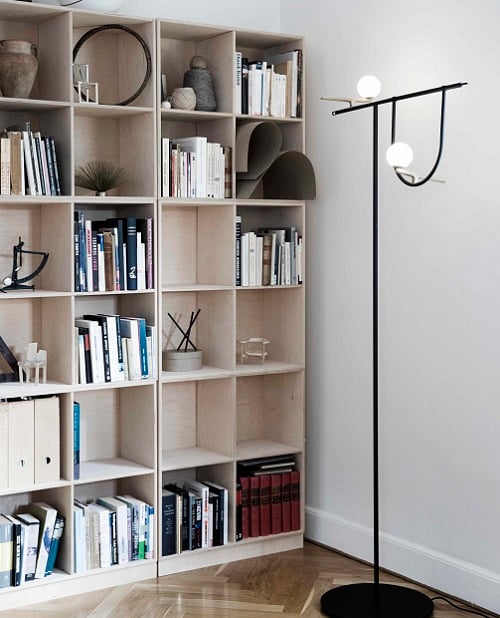
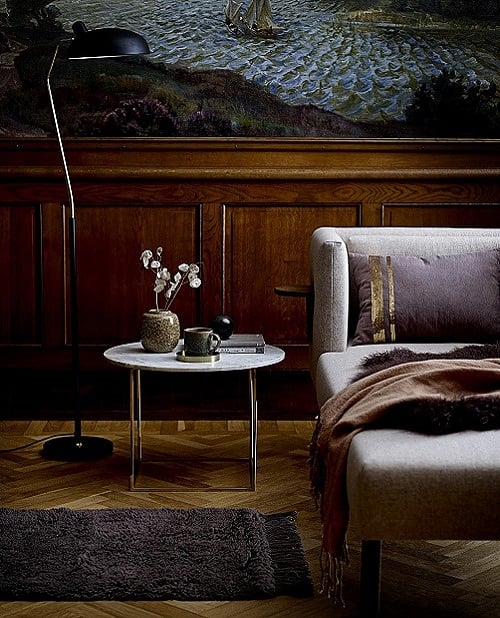
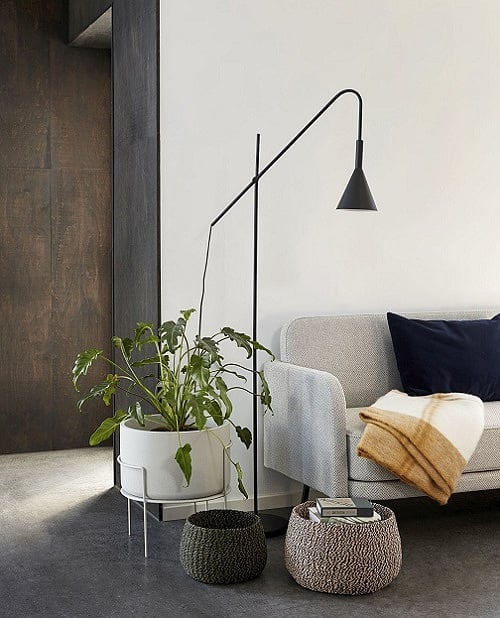


Small floor lamps for the living room, which can be placed on a side table next to an armchair or on a wooden chest of drawers or secretary desk, can also add variety to the decor. Besides providing an additional light source, they also create a cosy, soothing atmosphere, which is particularly desirable in every home, especially during autumn and winter.
Tip
Wall Lights – Where Do They Work Best and What Effects Can They Achieve?
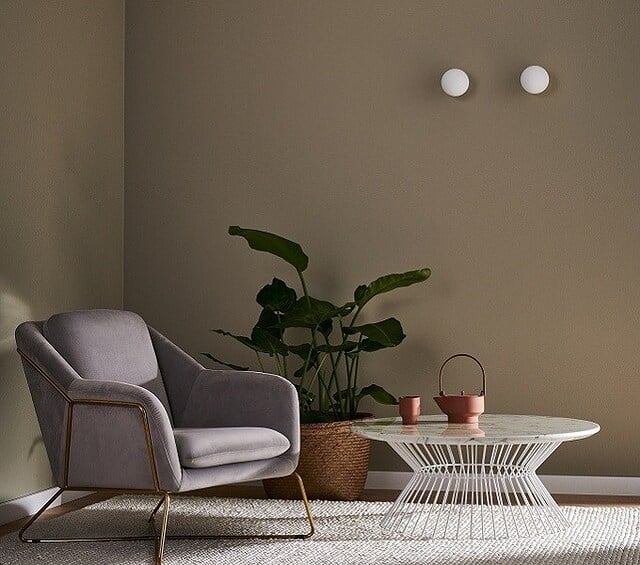
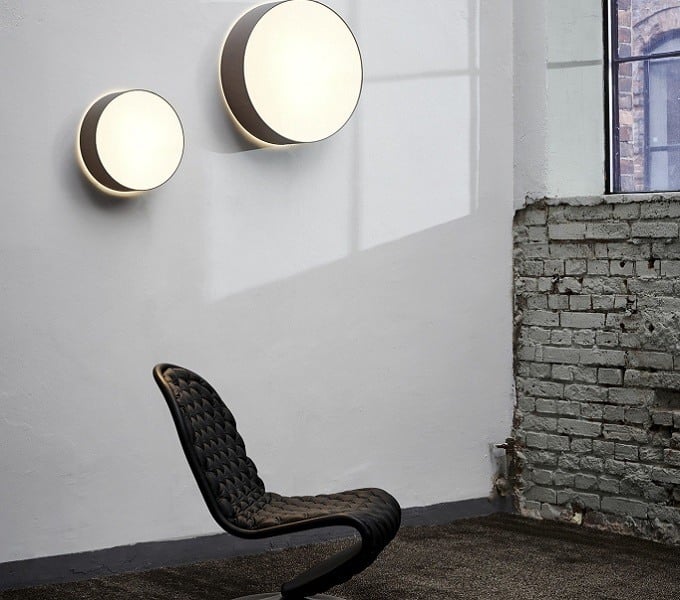
Wall lights and ceiling lights are primarily associated with lighting for hallways or corridors. They are also used to enhance the decor in children's rooms. Children's wall lights usually feature imaginative forms and colour schemes that appeal to the youngest. Bedroom wall lights are also a popular choice, as they are an ideal light source for all keen night-time readers. However, their role and possibilities don't end there. Both wall lights and their more modern versions – surface-mounted fixtures and tracks – can be used in the living room to highlight particularly interesting or aesthetically valuable items, such as paintings, graphics, or sculptures. They also look fantastic mounted above mirrors or inside display cabinets (of course, special models with appropriate connections are created for this purpose).


For living rooms that open onto a terrace, there is a need to create an aesthetically coherent space. It is therefore worth installing lighting on the terrace or balcony that complements the living room's decor and character. Outdoor lamps come with solutions that allow them to function flawlessly in more challenging weather conditions.
When planning a living room decor, we usually look for solutions that will be functional and please our eyes for years to come. It is therefore important that, besides their aesthetic qualities, they also stand out for their high quality. This requirement also applies to lighting.