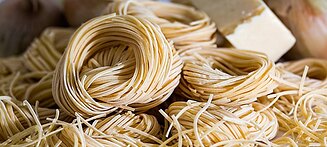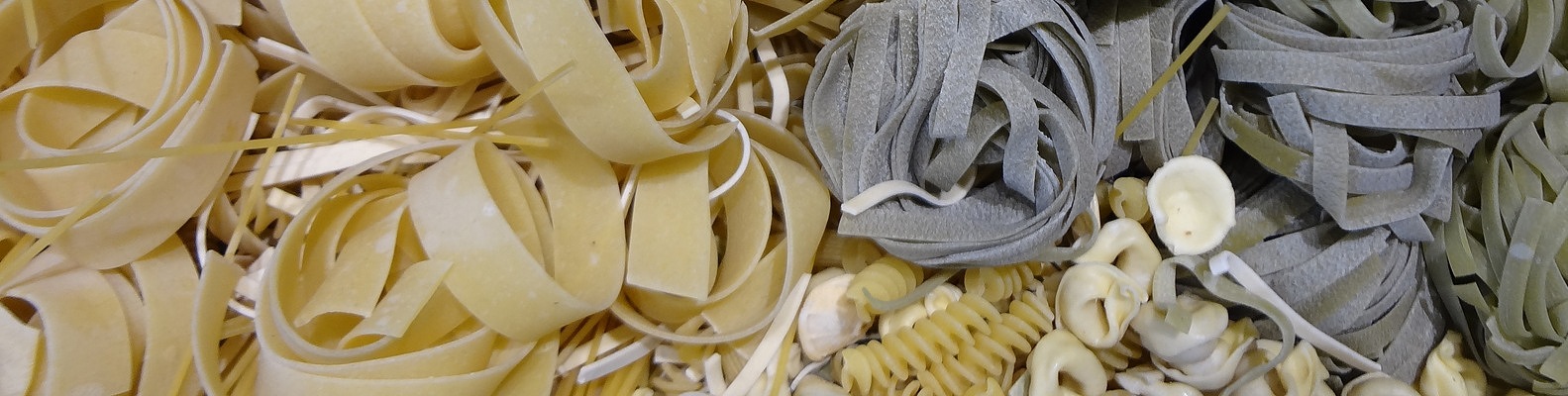
Shop shelves are groaning under the weight of different types of pasta. It's a delicacy that originates from Italy, but it's also incredibly popular here. No wonder – it's cheap and easy to prepare. With the right sauce, it'll be a showstopper on any table. Do you know how to properly prepare Italian dishes with pasta? Read on for our suggestions.
Everything you need to know about pasta
Types of pasta
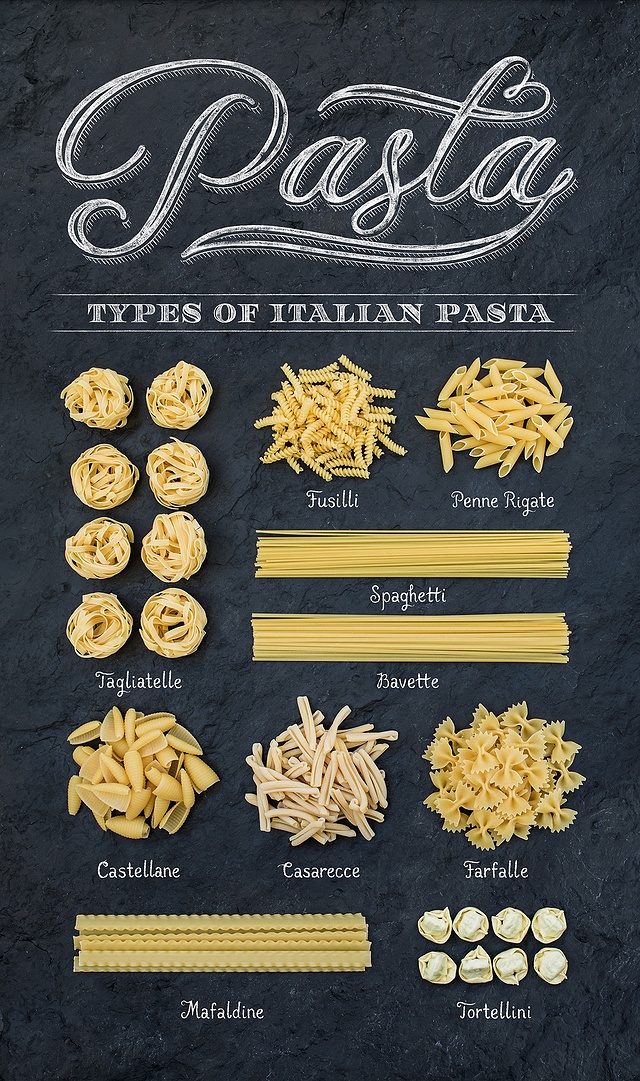
It's worth starting by introducing the most popular types of pasta – with their Italian names and descriptions. Listing them all would take up this entire article, as there are over a hundred varieties!
- Cannelloni – tubes about 3 cm in diameter.
- Conchiglione – large shells with a grooved surface.
- Farfalle – bow ties.
- Fusilli – spirals.
- Lasagne – large, rectangular sheets.
- Penne – small tubes, grooved or smooth.
- Spaghetti – long, thin, thread-like pasta.
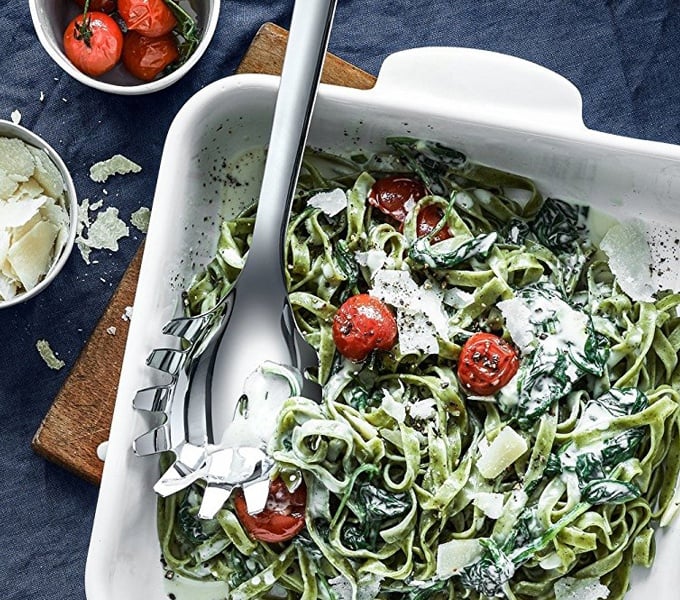
- Tagliatelle – long, thin, ribbon-like pasta.
How to make homemade pasta?
Ingredients:
- 300g '00' flour,
- 2 whole eggs,
- 3 egg yolks,
- 1 tablespoon olive oil,
- 1 pinch of salt.
Preparation:
Pour/add all ingredients into a bowl and mix until combined. Transfer the dough to a pastry board and knead inwards. It should have a uniform and elastic texture. Wrap it in cling film and refrigerate for an hour. After this time, start rolling until you achieve the desired thickness. You can use a pasta machine if you have one. Dry the dough on each side for a few minutes. Cut into desired shapes and scatter loosely to prevent sticking.
In the spaghetti and pasta accessories and tools section, you'll find pasta makers and other useful gadgets.

Pasta the Italian way – what does that mean?
Tasty (and healthy) pasta is al dente pasta, meaning slightly firm.
What's so difficult about cooking pasta? You boil water in a pot, throw it in, and take it out when it's soft. But is it really that simple? It turns out that, according to many Italian chefs, it's better to put the pasta into… cold water. Others, however, claim that the temperature doesn't really make a difference. So, what's the deal with pasta? What's for sure is that it should be prepared al dente, meaning it should be slightly firm.
Apparently, starting the cooking process by adding pasta to cold water makes the product firmer and more elastic. Give it a try, and you might just discover a new recipe for perfect pasta!
Rules for cooking pasta
Beyond the water temperature, which as you can see can be a bit of a hot potato, there are a few other rules for cooking this dish. Thanks to them, your pasta will always be perfect:
- For every 100g of pasta, pour 1 litre of water into the pot.
- Don't add oil to the water! The sauce won't cling to your pasta then, and that's precisely the point, isn't it?
- After the water boils, add a pinch of salt for every 100g of pasta – you can do it earlier, but the water will take longer to boil.
- Always cook pasta for the minimum time stated on the packaging, which will ensure it's al dente.
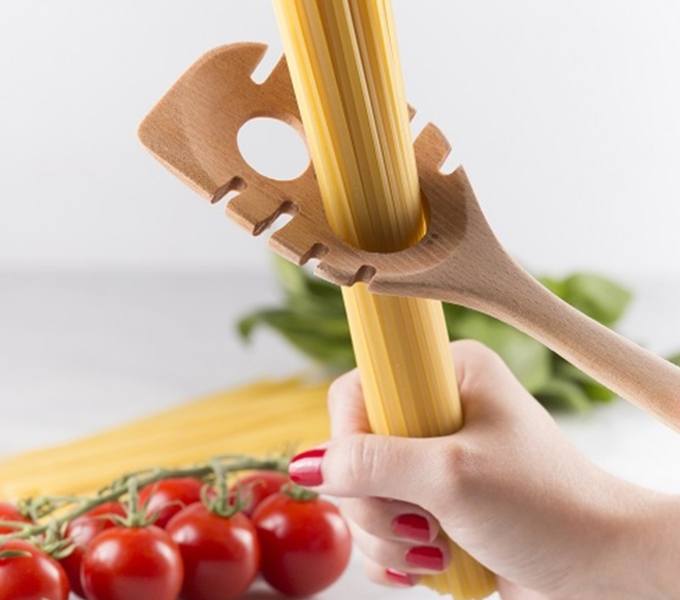
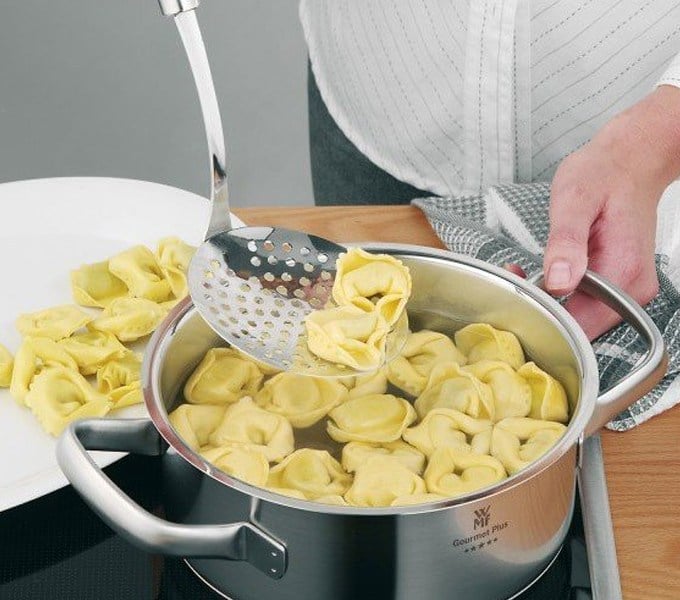
- After cooking, never rinse the pasta with cold water! Use a pasta spoon or a colander and scoop it out onto a plate.
Popular Italian pasta recipes
Spaghetti Carbonara
Ingredients:
- 200g spaghetti pasta,
- 30g smoked guanciale or pancetta,
- 2 eggs,
- 50g grated Parmesan,
- 2 tablespoons olive oil,
- freshly ground black pepper.
Preparation:
This recipe comes from Italy. We won't be adding cream to the sauce, even though many other recipes suggest it.
Cook the pasta al dente according to the package instructions. Heat olive oil in a frying pan and fry the guanciale or pancetta until browned. If you like the taste of garlic – you can add a pinch. Drain any excess fat from frying. Add the cooked pasta to the meat. Transfer it directly from the pot using a spaghetti spoon. Combine the ingredients in the pan and keep on low heat, stirring constantly. Whisk the eggs. Add pepper and finely grated cheese. The mixture should be fairly uniform. Remove the meat and pasta from the heat, then wait a moment for the temperature to drop slightly. Pour in the egg sauce and mix everything together. Serve the prepared dish on plates. You can top it with an egg yolk and a sprinkle of grated cheese.


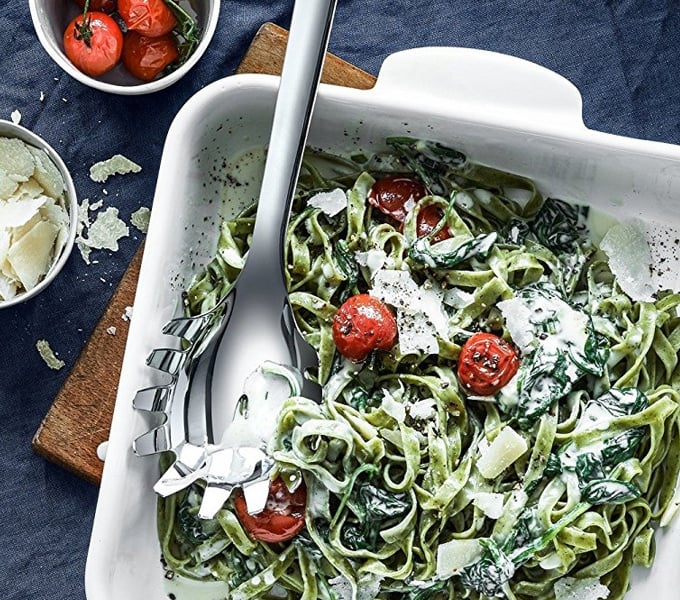

Fusilli with spinach
Ingredients:
- 200g fusilli pasta (spirals),
- 200g frozen, chopped spinach,
- 2 tablespoons olive oil,
- 4 cloves minced garlic,
- a pinch of cayenne pepper
- 100g full-fat ricotta cheese,
- half a cup of 30% cream,
- half a teaspoon grated lemon zest,
- lemon juice,
- 50g Parmesan,
- salt and pepper.
Preparation:
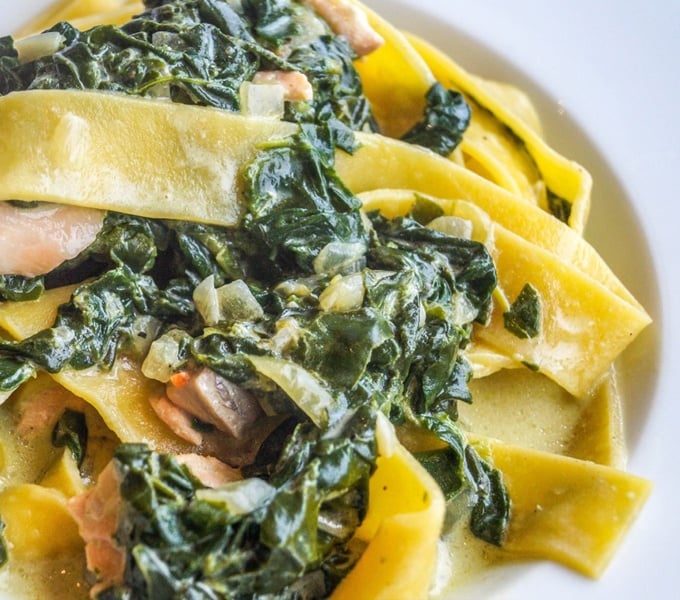
Cook the pasta al dente according to the package instructions, drain it in a colander and reserve half a cup of the cooking water. Fry the spinach in a pan. The water must evaporate completely. Transfer the pasta to the pan. Add olive oil, garlic, and cayenne pepper. Mix everything together. Add ricotta cheese, lemon zest, and cream. Drizzle with lemon juice. Season with salt and black pepper to taste. If the consistency of the dish is too thick, add a little of the reserved pasta cooking water – just enough to achieve the desired result. Plate the dish and sprinkle with Parmesan.


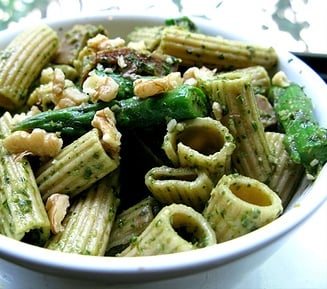
Penne with asparagus and chicken
Ingredients:
- 200g penne pasta,
- one chicken breast, diced finely,
- 1 tablespoon olive oil,
- a bunch of fresh green asparagus,
- 2 cloves finely minced garlic,
- 1 teaspoon granulated onion,
- 1 teaspoon dried basil,
- 1 teaspoon dried oregano,
- a pinch of hot red pepper,
- half a cup of chicken broth,
- 50ml milk or 12% cream,
- 50g ricotta cheese,
- 50g Parmesan grated on a cheese grater,
- salt and pepper.
Preparation:
Cook the pasta al dente according to the package instructions. For the last five minutes, add the peeled asparagus to the pot. Drain the contents. Heat olive oil in a pan and fry the chicken on the highest heat for two minutes. Reduce the temperature and add all the spices, excluding salt and pepper. Fry everything for a few more minutes. Now for the broth, milk or cream, cheese, and half of the Parmesan. Stir until a uniform consistency is achieved and the ricotta has melted. Add the pasta and asparagus to the dish. Season with salt and pepper to taste. Serve the dish on a plate and sprinkle with the remaining Parmesan. You can also bring Parmesan to the table in a special cheese container, so guests can add cheese to their liking.


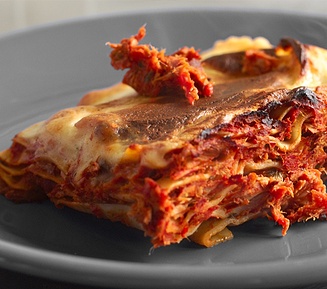
Lasagne Bolognese
Ingredients:
- lasagne sheets,
- 1 large onion,
- 2 carrots,
- 300g minced turkey meat,
- 2 cans chopped tomatoes,
- 2 tablespoons olive oil,
- (optional) a glass of white wine,
- a glass of chicken broth,
- 1 teaspoon oregano,
- 1 teaspoon basil,
- 2 tablespoons butter,
- 2 tablespoons flour,
- 2 cups very cold milk,
- a pinch of nutmeg,
- 2 balls of mozzarella or 100g Parmesan,
- salt and pepper.
Preparation:
The size of the lasagne is up to us – however, it's generally accepted that it should have at least 3 layers. The ingredients listed here are enough to prepare the sauce for such a dish, fitting into a 20x40 cm ovenproof dish.
Finely chop the onion, grate the carrots. You can use a food processor to help. Heat olive oil in a pan. Fry the onion until translucent. Add the carrots. Braise everything covered for about 3-5 minutes until the vegetables soften. Add the minced meat and cook until it loses its raw colour and starts to brown nicely. At this point, you can add white wine to the sauce, but it's not essential. Add the tomatoes and broth to the pan and mix thoroughly. The resulting sauce is quite thin. Reduce it until it thickens considerably. This can take up to 3 hours. Just before the end, season with oregano, basil, pepper, and salt. After this time, the bolognese should rest and cool down slightly.
Prepare the béchamel sauce. Melt the butter in a small saucepan. Add the flour and make a roux until you smell a pleasant, characteristic aroma. Pour in the milk. It must be cold to prevent lumps. Add nutmeg and pepper. Stir vigorously until popping bubbles appear on the surface. The consistency should resemble custard. Set aside to cool.
In an ovenproof dish, pour a little sauce to completely cover the bottom. Arrange the raw lasagne sheets. The pasta will cook in the oven – there's no need to pre-boil it. Then cover it with another layer of sauce, and on top of that, add the béchamel. Sprinkle with torn mozzarella or grated Parmesan. Repeat these steps until all ingredients are used. Cheese should always crown the dish.
Cover the dish with aluminium foil and place in an oven preheated to 180 degrees. After 20 minutes, remove the foil and leave it in the oven until the cheese is nicely browned and characteristic bubbles appear. Remember that lasagne should rest for at least 20 minutes before slicing and serving. The optimal time is even 45 minutes.


Baked Cannelloni
Ingredients:
- 8 cannelloni,
- 200g minced beef,
- 250g passata,
- 50g butter,
- 1 onion,
- 1 teaspoon oregano,
- 8 slices of mozzarella cheese,
- 1 tablespoon olive oil,
- salt and pepper.
Preparation:
Finely chop the onion and fry on heated olive oil. Add the meat and cook until nicely browned. Add all the spices and 3-4 tablespoons of passata. Combine everything and leave to cool. Fill the tubes with the stuffing. Be careful not to overfill. There must be some space inside. Grease an ovenproof dish with olive oil and pour half of the remaining passata over the bottom. Arrange the stuffed cannelloni. Pour the remaining tomato sauce over the pasta so that it is completely covered. Place a slice of cheese on each tube. Cover with aluminium foil and place in an oven preheated to 180 degrees. Remove the aluminium 10 minutes before the end.
Simple and delicious Italian cuisine