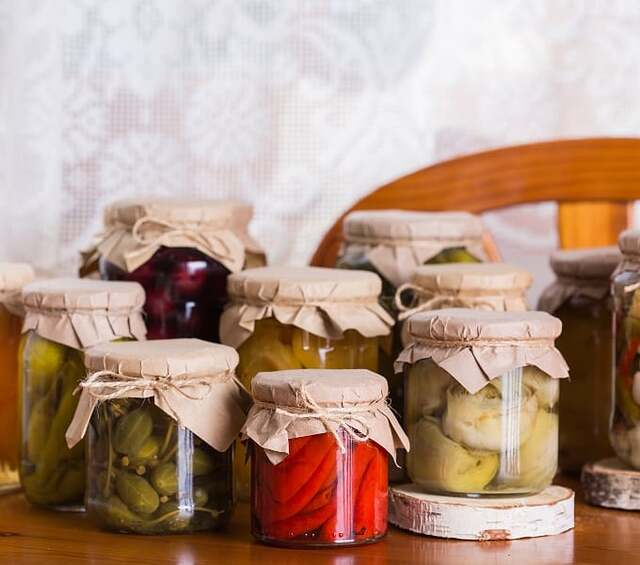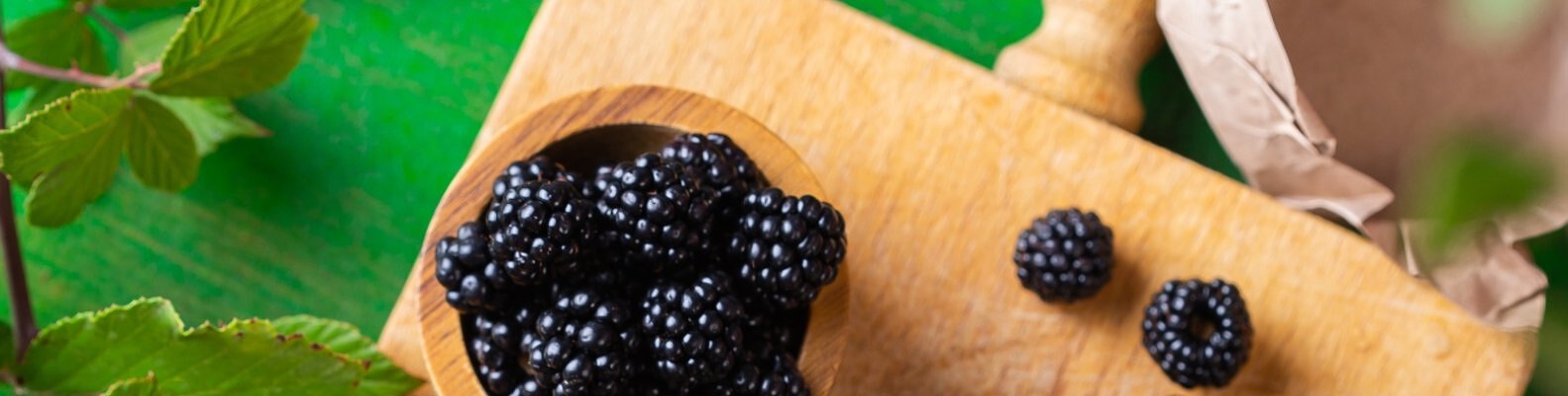
The season for preserves has begun in earnest. Home-made jams, preserves, juices or purees are not only exceptionally tasty, but above all healthy solutions. Which fruit and vegetables are best used to make preserves in May, and which in July or September? Check out our calendar and see what you need to prepare jars full of delicious contents.
April - Birch sap and wild garlic
You can think about starting to produce homemade preserves as early as April. It is in this month that the birch tree releases its sap - and this sap has a wealth of health-promoting properties. So if you want to have bottles of sap from this tree in your larder, you need to remember to harvest it as early as the beginning of spring. April is also the time to prepare wild garlic preserves, such as pesto or pickled garlic.
May - time for rhubarb, asparagus, chard or dandelions
If spring has sprung at the right time and April did not bring frost and snow, there are already many fresh fruits and vegetables to enjoy in May - just in time for home preserves. These include asparagus, rhubarb, young botanicals and rosehips. In this spring month, you can also prepare homemade juices, tinctures and jams from nettle or dandelion.


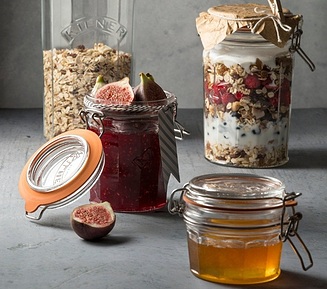
June - strawberries, cherries, beetroot or maybe the first cucumbers?
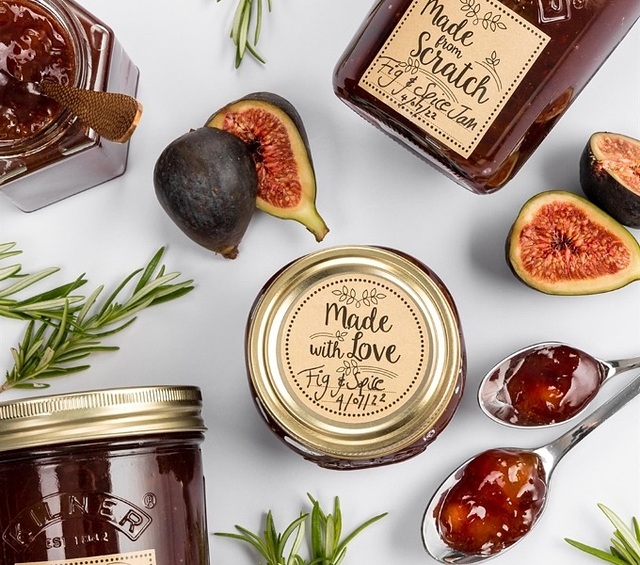
In June, the scope for preserves is even greater. The staple fruit that reigns supreme on plates and in jars at this time of year is the strawberry. Strawberry jams and compotes are definitely something to have in your cellar - especially as the season for this exceptional fruit does not last very long. So it's nice to be able to enjoy their flavour in autumn and winter too. June also delights with the redness and sweetness of cherries and strawberries. But that's not all - in this first summer month, we can prepare preserves from beetroot, cauliflower, spinach or dill, as well as from vegetables which appear in May - the aforementioned asparagus or chard. Don't forget the first small salads either - these cucumbers are definitely a hit!
July - cucumbers, courgettes, currants and the first sweet plums
In July, cucumbers, courgettes, aubergines and green beans are the top vegetables for preserves. The first of these can be used to make pickles. And what about fruit? This is a month in which there is definitely no shortage of them. We can enjoy currants, blackberries, blueberries or the first raspberries, as well as gooseberries, cherries or blueberries. This summer month is also full of apricots, peaches, the first plums and the much-loved pulpwood. What is more, July is the season for chanterelle mushroom preserves - so you can prepare, for example, chanterelles in vinegar or chanterelles stewed in butter.
Get rid of the seeds!
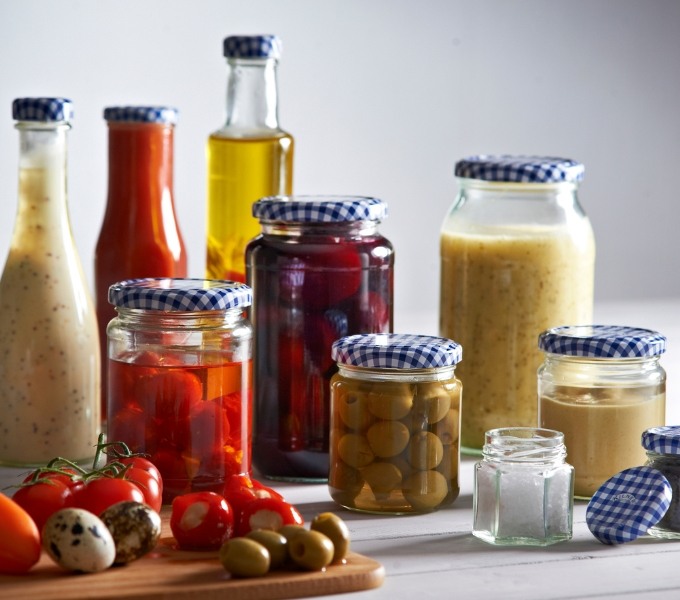
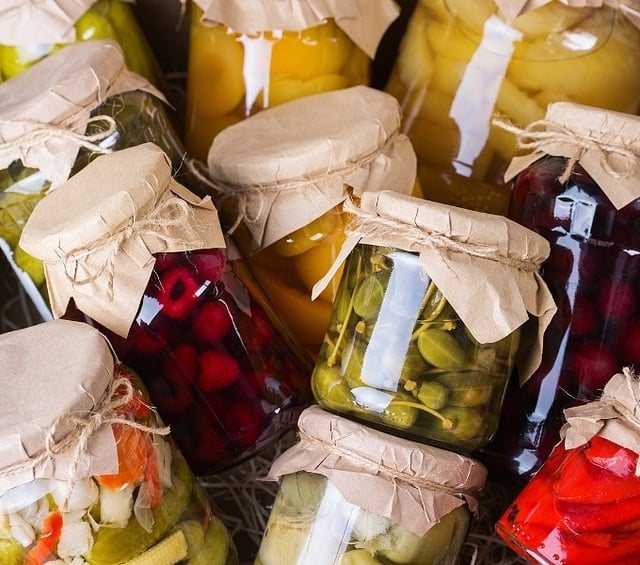
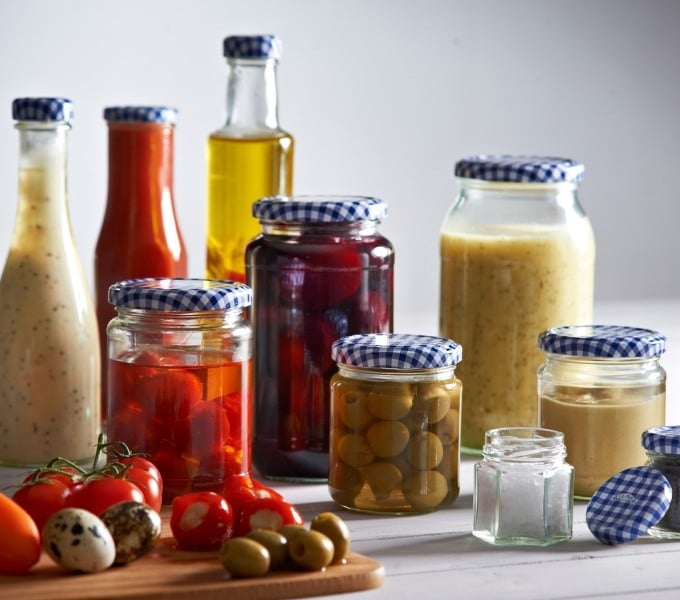
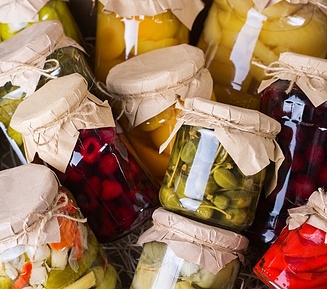


August - time for tomatoes, the first apples, raspberries and beetroots.
August is the month when even more people make homemade preserves. We are talking about jams and preserves, as well as juices and liqueurs. At this time of year, you can stock your larder with products made from, among other things, various kinds of tomatoes, beetroots, patissons, first mushrooms or cornberries. It is also the ideal time to make preserves from the first apples and pears, plums, chokeberries or raspberries. What's more, in August you can make good use of fruit and vegetables available a month earlier - such as courgettes, blackberries or blueberries.
A September that smells of mushrooms, apples and peppers
We immediately associate September with fragrant, juicy apples, sweet plums and aromatic mushrooms. However, this is not the only base for preserves to be enjoyed during this month of the year. It also abounds in grapes or peaches, as well as hawthorn, rowan and elderberries, ideal for juices and tinctures. In September, it is also worth preparing canned peppers and... walnut liqueur. In addition to making liquid preserves, you can also take up drying nuts, which are ideal for all kinds of cakes and desserts in winter.
Get inspired by recipes


October - a great time for cabbage, pumpkin, rosehips and quince
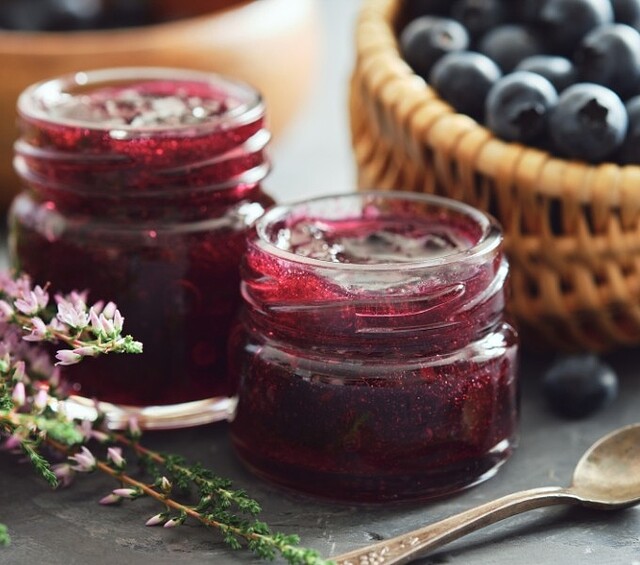
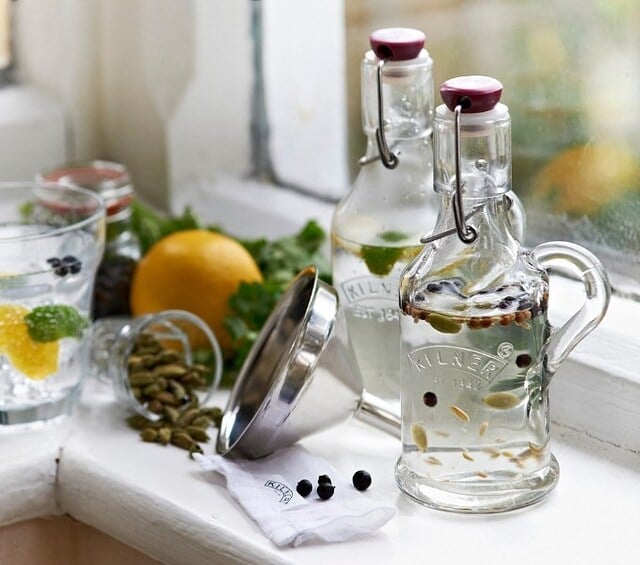
While September is marked by apples, nuts, peppers or mushrooms, October is best focused on... cabbage. This is the perfect time to prepare homemade sauerkraut. During this autumn month, it's also worth stocking up on quince, pumpkin, cranberries, rosehips or late pears and apples - ideal for homemade jams, juices or tinctures. What's more, it is still a good time to prepare mushroom or chokeberry preserves.
November - the end of the canning season
November marks the end of the season for fruit and vegetable preserves. However, in this last month you can still prepare jars full of chokeberry or pumpkin contents. If the weather conditions are favourable, it is also worth taking the time to make the last of the rosehip products. In the following months, all that remains is to enjoy the taste of homemade delicacies prepared from as early as April.
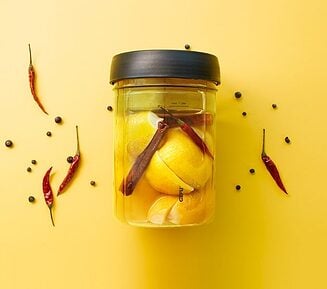


Home-made preserves - what do you need?
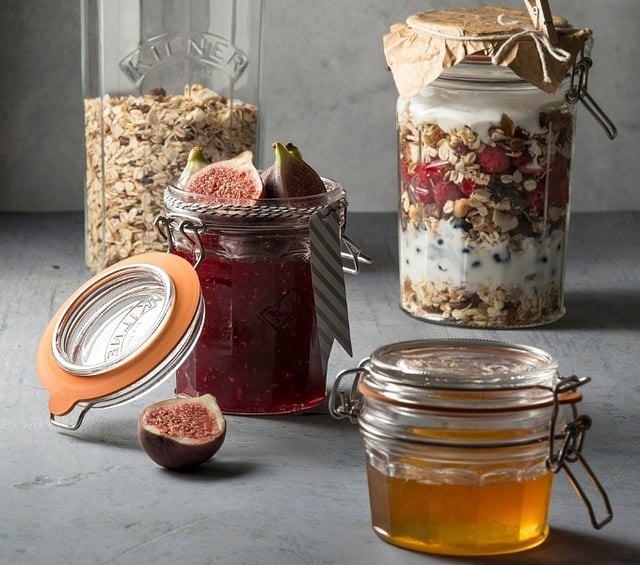
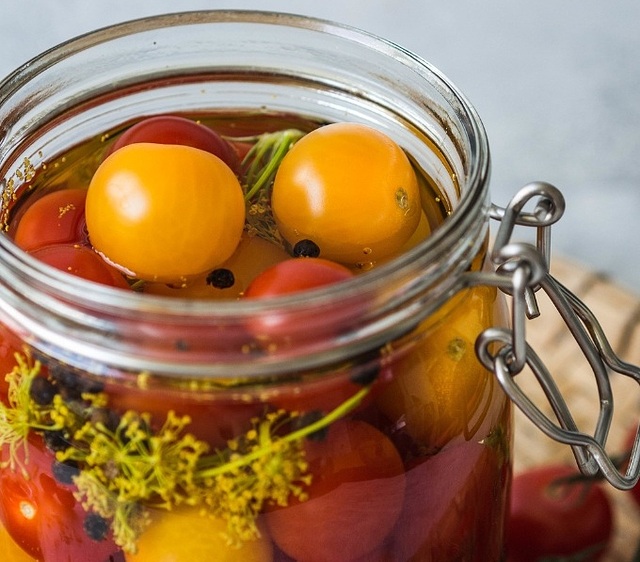
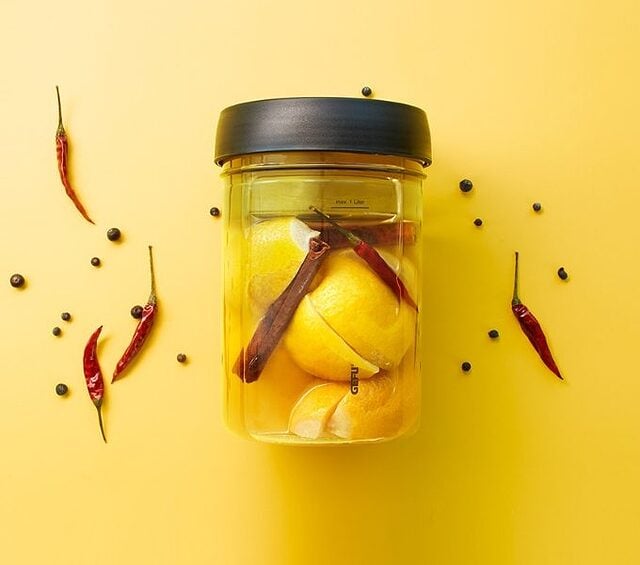
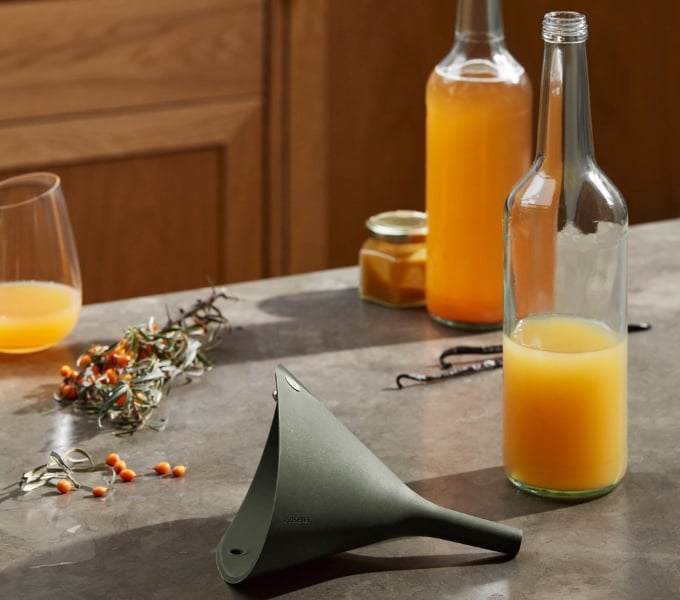
To prepare homemade jams, juices or tinctures, you need first of all fruit and vegetables - after all, they are the basis of all these preserves. In the case of pickled cucumbers, you will also need dill or garlic, and for walnut liqueur, you will need spirit and sugar. However, ingredients alone are not enough - you also need the right vessels and accessories. the right utensils and accessories. Jars and bottles are an absolute must - in the FormAdore assortment you will find them in various shapes and sizes. These range from classic jars fitted with a twist-off tin lid to wek jars with a rubber seal for pasteurisation. If jars are to be used, then airtight screw caps are a must - and we have plenty of those too. You can buy them both individually and in practical sets of several. When preparing fruit and vegetables, gadgets such as stonecutters, stalk removers, peelers and slicers will come in handy. These allow you to quickly and effortlessly remove seeds and stalks and cut the ingredients into the desired pieces. For pouring jams and syrups, a special jarring funnel will come in handy - it is very different from classic funnels and can handle pushing through jams much better than they can.
Open up the jar!
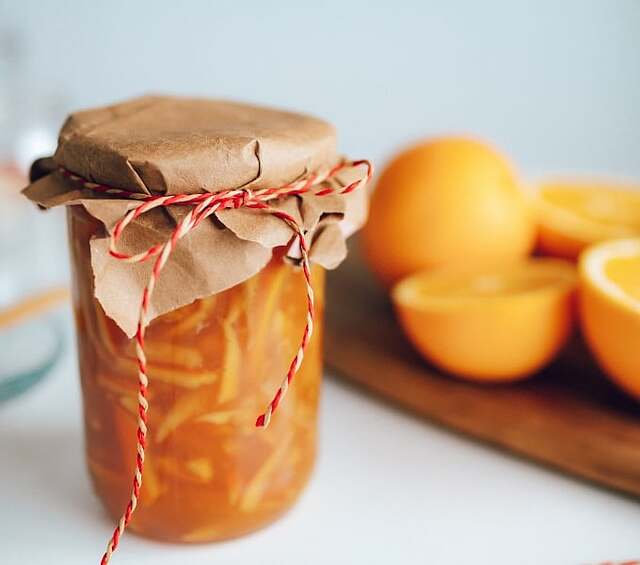
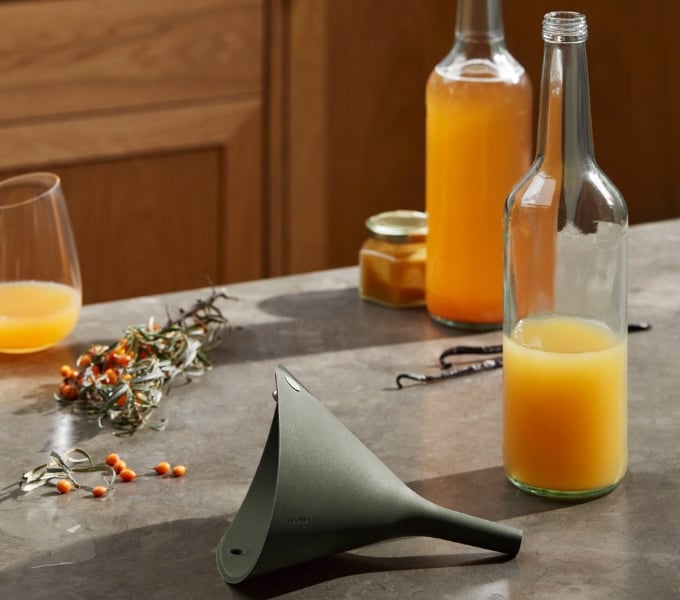


Once you have put the vegetables and fruit into jars and transferred the juices into bottles, a good pot for cooking and frying them will be indispensable. The most important thing is that it should have a large capacity. The FormAdore range includes, among others, the Kilner steel pots for frying jams and jam - reliable and extremely durable. When preparing homemade preserves, you may also find a special hot jar picker or a thermometer for checking the temperature of the preserves useful. And what if you want to stock your larder with pickled cucumbers, cabbage or radishes? Just use special barrels or pickling vessels in which the vegetables ferment by producing carbon dioxide. This set of utensils and gadgets will allow you to turn your kitchen into a real kingdom of preserves - and the jams, juices or liqueurs prepared in the summer will delight the palates of your household and guests throughout the winter. When opening jars of ready-made preserves, the opener is a real lifesaver. In spite of appearances, it is an accessory used even by the greatest power men - sometimes jars simply do not want to cooperate. Such a small, inconspicuous gadget can provide invaluable support in the struggle with a stubborn cap. Check out what else is waiting for you in our assortment and complete the whole set, and you will quickly become a real master of home preserves!
Pots and saucepans for preserving